REVIEW · PUNTA ARENAS
Mountain Bike Adventure in Punta Arenas
Book on Viator →Operated by patagonia mtb trails · Bookable on Viator
Bike trails in Patagonia turn heads fast. This Punta Arenas ride is built around two contrasting riding days in one: native forest trails at Magallanes National Reserve and hilltop descents near town with views over the Magellan Strait and Tierra del Fuego. I especially like that it runs with a small group (up to 6), so the guide can steer you toward the right level of challenge instead of just pointing you downhill.
The one big consideration: conditions can make it feel harder than expected. Mud, slippery sections, and technical bits mean you should come with at least moderate physical fitness and a willingness to learn on the fly.
In This Review
- Key things to know before you pedal
- Punta Arenas MTB: two worlds, one loop of views
- Magallanes National Reserve: forest trails and real wildlife chances
- Punta Arenas hills: mixed terrain, steep options, and viewpoint payoff
- Bikes, helmets, and the guide factor (Javier, Juan Pablo, Martin)
- The lunch/snacks reality: plan for fuel, not a café stop
- Timing and how the day actually flows
- Cost and value: what you’re paying for in Patagonia
- Who this tour fits best (and who should think twice)
- What can go wrong, and how to protect your day
- Should you book this Punta Arenas mountain bike day?
- FAQ
- How much does the mountain bike adventure cost?
- How long is the tour?
- What time does the tour start?
- What is the group size?
- What is the minimum age for this tour?
- How fit do I need to be?
- What’s included in the price?
- Are drinks included?
- What happens if the weather is bad?
Key things to know before you pedal
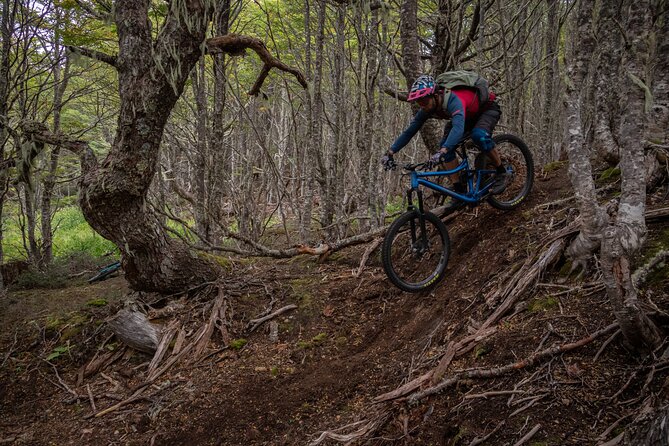
- Magallanes National Reserve forest riding for wildlife spotting and bird-filled, lenga–coigüe scenery
- Small group size (max 6) so your route can match your ability, even if you’re new to dirt
- Two locations, one day: Reserve for about 3 hours plus more varied Punta Arenas trails for about 4 hours
- Punchy views built into the climbs over the Magellan Strait, Tierra del Fuego, and the Otway Sound
- High-quality gear with e-bike support reported by riders to help you cover more trail without destroying your legs
- Snacks included, but add a little flexibility for water availability on the trail
Punta Arenas MTB: two worlds, one loop of views
Punta Arenas is wind-swept and dramatic, and this tour uses that geography in your favor. You start in protected native forest where the riding is more about traction, flow, and slowing down to look for birds. Then you move into the hills around town where the terrain and soil change, and the views show up quickly.
I like that you’re not locked into one kind of biking. The plan is set up to adjust: longer, gentler sections for those still getting comfortable, and tighter, more technical trail options when the group wants it. Guides mentioned by name across experiences include Javier and Juan Pablo, and the common thread is clear communication plus route-fitting.
Also: the small group size matters here. In a group of 6, nobody gets lost for long, and the guide can spot when you need a calmer line or a technical lesson.
Magallanes National Reserve: forest trails and real wildlife chances
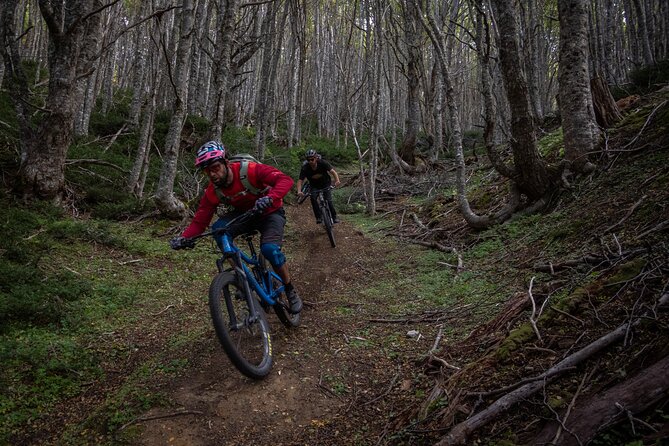
This is the heart-of-the-region segment, and it makes the day feel more than just exercise. You ride inside Magallanes National Reserve, where lenga and coigüe forest set a cooler, greener tone than you might expect in Patagonia’s wider landscapes.
Expect trails that vary by ability. The idea is simple: you’ll ride forest paths that can be swapped to match your comfort level, so the group stays together without forcing everyone onto the same difficulty. This is where you get the close-up nature experience: birds and other wildlife are part of why the reserve is special, and the forest setting makes those sightings feel more possible.
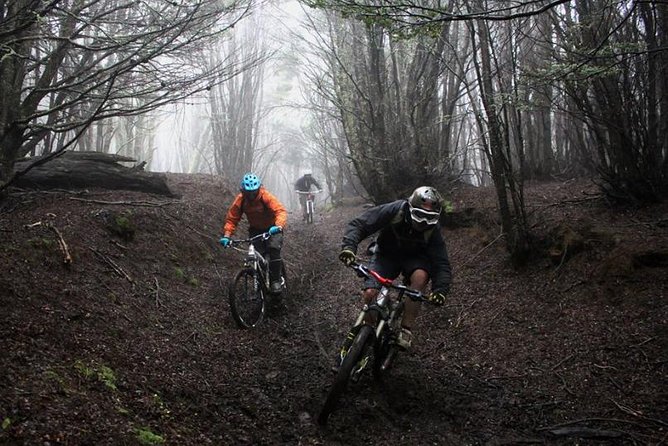
One practical downside: forest riding can turn your tires into mud magnets if conditions are damp. One rider described mud and slipping as a real factor, including falls. If you’re a cautious rider, go in expecting a learning day and tell the guide right away if you want the smoother options.
Punta Arenas hills: mixed terrain, steep options, and viewpoint payoff
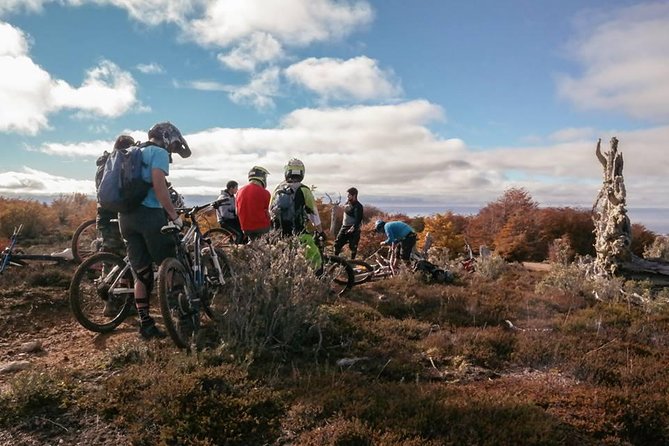
After the reserve, the tour shifts into the rolling world around Punta Arenas. This part is designed for variety: different soils, changing steepness, and a mix of trail lengths so you’re not just repeating the same climb.
A key detail: you’re not riding far from your hotel area. The trail spots are typically about 10–20 minutes away depending on traffic, which helps keep the day focused on biking instead of time spent in the car. The guide leads you to different areas on the surrounding hills, and you may visit spots like Estancia Radic, Patagon Park (described as a community-based bike park), plus trails referred to as Araña and Ladera.
What I think you’ll love most here is how the views reward effort. Multiple rides describe big panorama moments: the Magellan Strait, Tierra del Fuego, Otway Sound, and the city itself. Even if you’re riding at a slower pace, you’ll still feel that Patagonia sweep when you crest a hill and look out.
Bikes, helmets, and the guide factor (Javier, Juan Pablo, Martin)
This is one of those tours where the guide quality can make or break the day. Good guides don’t just lead the route—they read the group and adjust the line choices, pacing, and technical difficulty so you feel challenged in the right way.
Across experiences, guides including Javier, Juan Pablo, and Martin come up with a similar pattern: they take time to fit riders properly, explain technique, and keep the pace aligned with ability. That’s especially helpful if you’re mixing experience levels in one group or if you’re not sure how you’ll handle dirt trails yet.
About the bikes: the tour provides bicycle and helmet use, and riders specifically highlight quality bikes and e-bikes with pedal assist. One rider even mentioned features like a drop post and how the pedal assist made climbs manageable while still leaving plenty of work for your legs. If you’re anxious about steep sections, this matters, because the e-bike support can turn a discouraging grade into a rideable climb.
Language can also be a quiet bonus. English is mentioned repeatedly, and Javier in particular is noted for speaking English and Portuguese (plus native Spanish). That’s useful in Patagonia, where trail conditions, gear basics, and local context are a lot easier to understand when you can ask questions.
The lunch/snacks reality: plan for fuel, not a café stop
The tour includes snacks, and several riders describe a lunch-like break with real food, including cured meats and standout bread, plus water to hydrate. The safest way to think about it: snacks are guaranteed, and more substantial food can happen during the day depending on how the guide structures the ride.
Either way, you’ll be biking for hours, with climbs and descents that can tire you faster than a flat road workout. I recommend treating this like a half-day athletic outing: eat the included snacks, and if you have dietary needs, bring something small you can carry.
One practical caution from a rider: water availability to top up may not be perfect. If you’re the type who drinks a lot between snack stops, consider bringing an extra bottle if the guide allows it.
Timing and how the day actually flows
The tour starts at 9:00 am and runs about 7 hours total. You’re looking at two main riding blocks—roughly 3 hours in the reserve and about 4 hours on the Punta Arenas hill trail network.
Hotel pickup and drop-off are included. If you’re on a cruise, some guests report meeting the guide at the port and getting bikes and helmets prepared before heading out, which is a nice way to keep the morning smooth. The practical takeaway: be ready early, and double-check your exact meeting point the day before.
Because the tour depends on weather, it’s not a set-it-and-forget-it plan. If it’s wet or extremely poor, expect the operator to adjust dates or refund in line with their policy. This is Patagonia—conditions can change fast.
Cost and value: what you’re paying for in Patagonia
At $192.31 per person for a full-day riding experience, the price is really buying four things: local guiding, access/fees, proper bike gear, and a tight small-group experience.
You’re not just paying for the bike. The tour includes national park fees and admission tied to the reserve segment, plus an environmental management charge. You also get hotel pickup/drop-off, a local guide, and helmet + bicycle use. In a place like Punta Arenas, that mix matters because you’re dealing with real distances, protected areas, and trail access that’s hard to manage on your own without local know-how.
Is it “cheap”? No. But it also isn’t overpriced for what you get: a guided day, two riding environments, and the kind of bike support that helps you actually enjoy the trails instead of surviving them.
For first-timers, the value is even clearer. The route being adjustable is what turns mountain biking from a gamble into a planned activity.
Who this tour fits best (and who should think twice)
This works best if you want active sightseeing. You’ll get nature and big panoramas, and you’ll move at a real biking pace instead of taking slow scenic detours.
It’s designed for people with moderate physical fitness, and the minimum age is 15. Riders in their 50s mentioned it’s tougher than it looks, but the guide adjusted the route. That’s a good sign if you’re fit but not a technical mountain biker—you’ll likely be able to ride, even if you’re not blazing fast.
Where you should think twice: if you hate mud, or if you’re very risk-averse about slips and falls. One rider suggested not for older participants, not because it was impossible, but because conditions and technical choices can be demanding. If you go in knowing you might need the gentler lines, you’ll be in a better mindset.
What can go wrong, and how to protect your day
Most experiences sound smooth and well organized, including punctual pickup and guides handling issues quickly. Still, one unhappy incident appears in the data: a guest reported a missed appearance and a tour cancellation message without proper contact, and they were waiting for a refund afterward. It’s an outlier, but it’s a reminder to stay proactive.
Your protection plan is simple: confirm your meeting details close to departure, keep your phone handy, and if the guide is late, contact them immediately using the provided direct line. In active tours, small communication gaps can feel huge if you’re standing around.
Also: bring the right expectations for conditions. If rain arrives late, the ride can still become fun, but mud can change everything fast.
Should you book this Punta Arenas mountain bike day?
If you want a top-value introduction to biking in Patagonia, I’d book it—especially if you’re traveling solo, as a couple, or with mixed skill levels and want the guide to manage the difficulty for you. The biggest selling point is the combination of forest wildlife riding plus Strait-and-island viewpoint trails, all in one guided day.
Book it if:
- You want an active day with real scenery rewards
- You like small-group experiences where the guide can adjust
- You’re curious about Magallanes National Reserve but don’t want a purely walking day
Skip it or pick a different option if:
- You’re not comfortable riding in variable conditions like mud
- You’re expecting a gentle cruise-like outing with zero risk of technical sections
- You need guaranteed water refills at every moment (a small bottle can save stress)
Bottom line: this is a Patagonia MTB day that’s set up to help you ride, not just watch. If you show up ready for a workout and a little unpredictability, you’re very likely to leave Punta Arenas with trail stories.
FAQ
How much does the mountain bike adventure cost?
The price is $192.31 per person.
How long is the tour?
The tour lasts about 7 hours.
What time does the tour start?
It starts at 9:00 am.
What is the group size?
It’s capped at a maximum of 6 people per booking.
What is the minimum age for this tour?
The minimum age is 15 years.
How fit do I need to be?
The tour is for people with moderate physical fitness.
What’s included in the price?
Included are the environmental management charge, national park fees, a local guide, use of a bicycle and helmet, hotel pickup and drop-off, and snacks.
Are drinks included?
Alcoholic drinks are not included and are available to purchase.
What happens if the weather is bad?
This experience requires good weather. If it’s canceled due to poor weather, you’ll be offered a different date or a full refund.