REVIEW · CATANIA
Mount Etna: Summit Cycling Tour
Book on GetYourGuide →Operated by Kemedia · Bookable on GetYourGuide
Mount Etna by bike feels unreal. You’ll pedal from the volcano’s northern side to high, active terrain with an expert guide and purpose-built mountain bikes.
What I love is the mix of hands-on riding and real science stops, not just scenic stops. What I love again is the chance to see summit craters and wide views from the Volcanological Observatory zone.
One thing to consider: this is a physically demanding ride on dirt paths with significant climbing and rough ground, so it’s not for everyone.
In This Review
- Key highlights you’ll care about
- Why cycling Etna’s upper slopes is a special kind of thrill
- Meeting, gear fitting, and what your bike setup changes
- The ride up: dirt paths, lava flows, and built-in pacing
- Stop 1 and route choice: where you start on Etna
- Barbagallo Crater: the guided learning stop that makes the ride feel real
- Views time: the viewpoint bike segment (and how to use it)
- Arriving at the 2800 m Volcanological Observatory: where the day pays off
- Getting back down: drop-off options and keeping your day flexible
- Price and value: what $113.29 buys you on Etna
- Who this tour suits (and who should skip it)
- What the best guides make easier (Simoni is a named highlight)
- Should you book the Mount Etna Summit Cycling Tour?
- FAQ
- FAQ
- Where does the Mount Etna summit cycling tour start?
- How long is the tour?
- What’s included in the price?
- Is lunch included?
- What language are the guides?
- What should I bring?
- Are SPD pedals available?
- Is this tour suitable for limited mobility or back problems?
- Are pets, smoking, or large bags allowed?
Key highlights you’ll care about
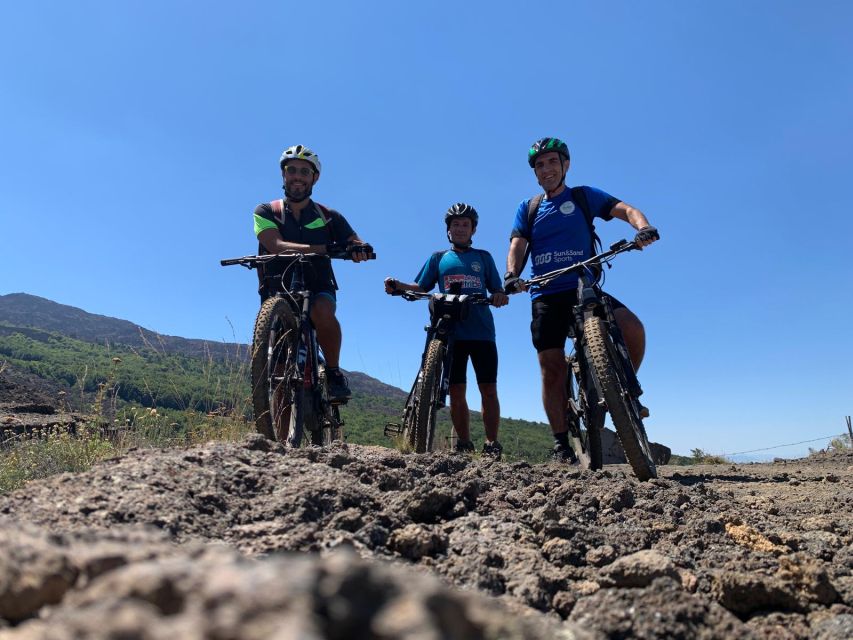
- Ride to 2800 m and take a breather with big views over Etna’s features and the coastline.
- Barbagallo Crater is more than a pass-by moment, with a guided stop built around learning and seeing.
- Dirt-path climbing through ancient craters and lava flows gives the trip its real character.
- Small group (max 15) keeps the pace manageable and the guide easier to ask questions.
- Bike + gear included, so you show up and ride without rental hassles; SPD pedals are available on request.
Why cycling Etna’s upper slopes is a special kind of thrill
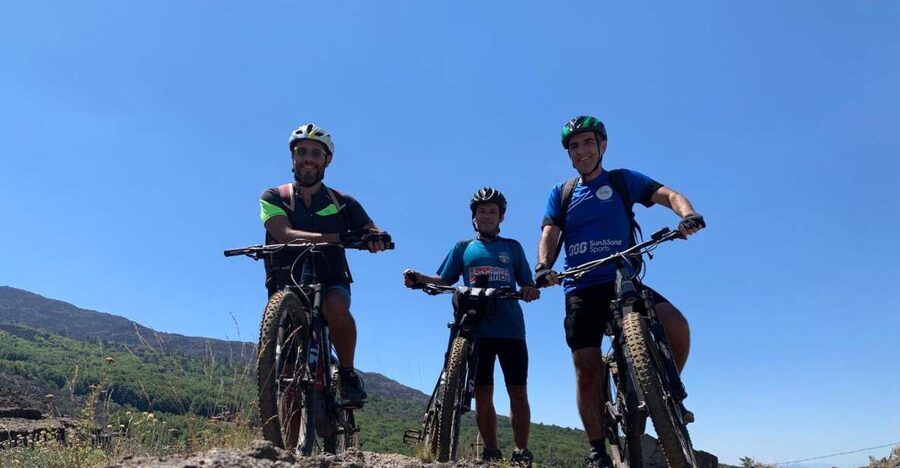
There’s something about biking up a living volcano that hits different than taking a car or a tour bus. On Etna, you’re not just looking at volcanic features—you’re moving through them, one turn of the pedals at a time. The ride puts you close to the raw textures: loose dirt, uneven volcanic ground, and long stretches where the terrain seems to change its rules every few minutes.
I also like that this tour balances awe with structure. You’re not wandering. You’re guided from the northern area, you get properly kitted out, and you reach a high point around 2800 meters where the stop becomes part rest, part observation. That matters because the climb can be intense, and you’ll want that built-in moment to steady your breathing and actually take in what you worked for.
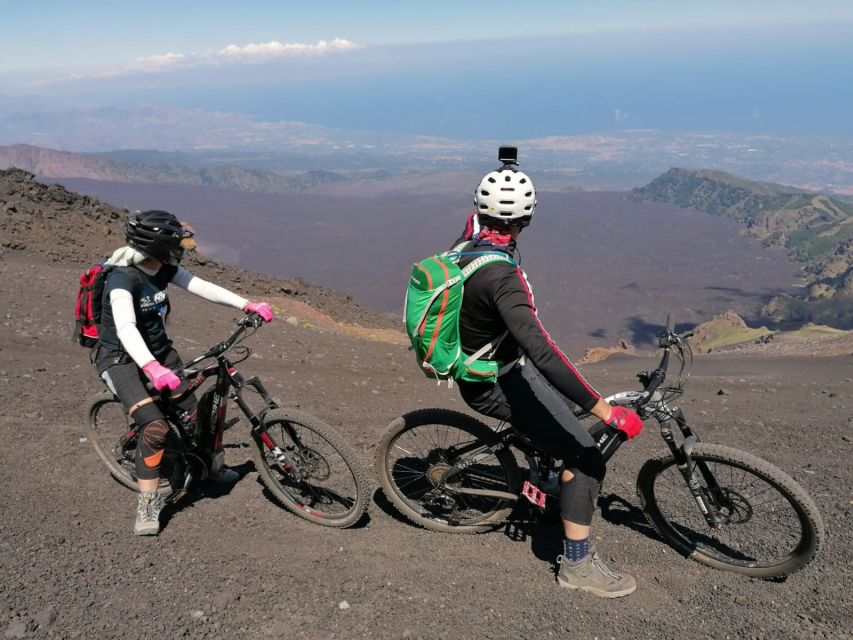
Finally, the views aren’t an afterthought. From the observatory area, you can look out toward the Ionian Sea and Etna’s major valleys and landmarks. You get the kind of panoramas where you suddenly understand why Etna has such a hold on Sicily’s imagination.
Meeting, gear fitting, and what your bike setup changes
Your tour begins at Euro Etna Tourism, meeting inside the hut there. The experience runs in a small group (limited to 15), which is a big deal on volcanic dirt roads where everyone’s footing and comfort level matters. Starting this way also helps keep the schedule from turning into a slow shuffle.
Once you arrive, you get fitted with the biking equipment and you’re ready to ride. That part matters more than most people think. Mountain bikes behave differently on dirt, and proper setup can mean the difference between feeling confident and spending your energy fighting the bike instead of enjoying the scenery.
A nice bonus: SPD pedals are available on request. If you ride with clip-in pedals at home, ask ahead so you can match your technique. If you don’t, you can still ride with the standard setup—but either way, having the guide handle the gear side reduces stress.
What to wear? Keep it simple: comfortable shoes and sunglasses. You’ll appreciate shoes with solid grip because you’re dealing with rocky or dusty ground at points, and bright light at altitude can sneak up on you.
The ride up: dirt paths, lava flows, and built-in pacing
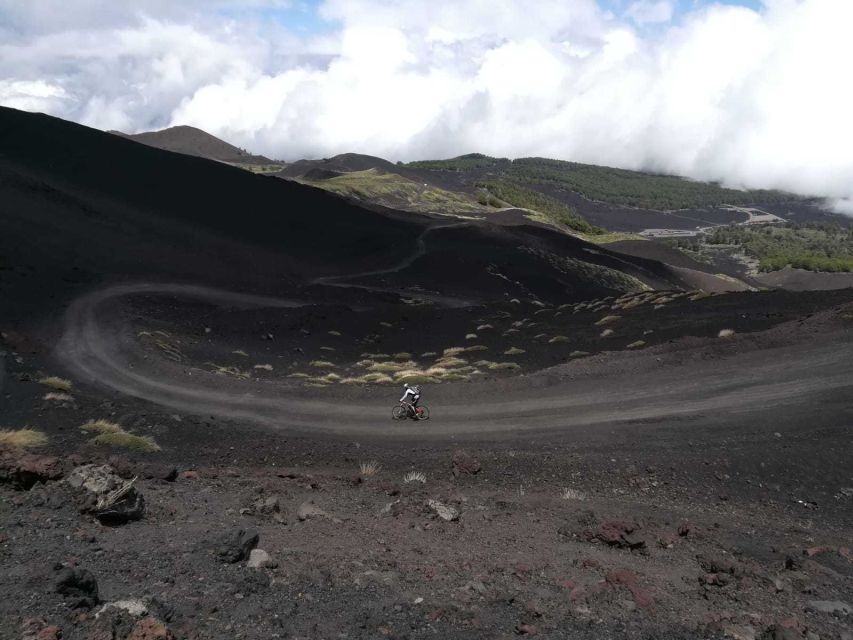
After gear-up, you follow your guide along an uphill route on dirt paths. This is where the tour earns its reputation: the ride passes by a sequence of volcanic features—older craters, lava flows, and stark stretches where the terrain looks almost engineered by nature. You’ll also get viewpoints back down toward towns below, which gives you a mental “check-in” as you climb.
The pace is guided, and that’s important because Etna’s upper terrain can feel like open, exposed geology. You’ll want to keep a steady rhythm rather than sprinting early and regretting it at higher altitude.
Here’s what I’d tell a friend who’s debating it: if you enjoy physical outdoor time and want your effort rewarded by real views, this is the kind of activity that clicks. If you’re looking for a leisurely sightseeing stroll, the uphill bike component will be the whole story—good and challenging.
Stop 1 and route choice: where you start on Etna
The first stop has two starting location options tied to the Euro Etna Tourism area (including Etna Quad – Euro Etna Tourism). Practically, that means you’ll be pointed to the correct pickup based on the day and the schedule.
The takeaway for you: don’t plan a tight connection right before this. Arrive with buffer time so you’re not rushing gear fitting or meeting instructions. On Etna, the day’s timing matters, and being there early helps the guide organize the group smoothly.
Barbagallo Crater: the guided learning stop that makes the ride feel real
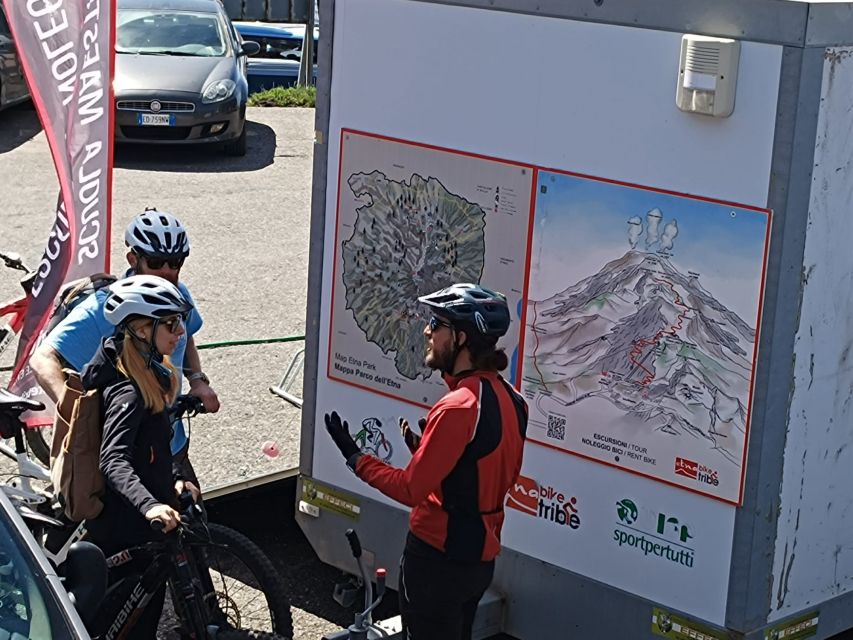
A standout part of this experience is the stop at Barbagallo Crater, with a guided tour lasting about 2 hours. This is not a quick photo stop. It’s long enough to let you actually connect the visuals to what you’re seeing: the shape of the crater area, how the volcanic ground looks close up, and why this part of Etna matters.
Why it’s worth your time: Etna can be visually impressive from far away, but up close it becomes understandable. The guided portion helps turn “wow, volcano” into “I know what I’m looking at.” That’s when the ride feels like more than exercise—it becomes a real experience.
The trade-off is time. Two hours is substantial, so you should treat it as a major portion of your day. If you’re traveling with limited time overall, plan your other plans around this chunk rather than squeezing it into a “maybe we’ll do it” slot.
Views time: the viewpoint bike segment (and how to use it)
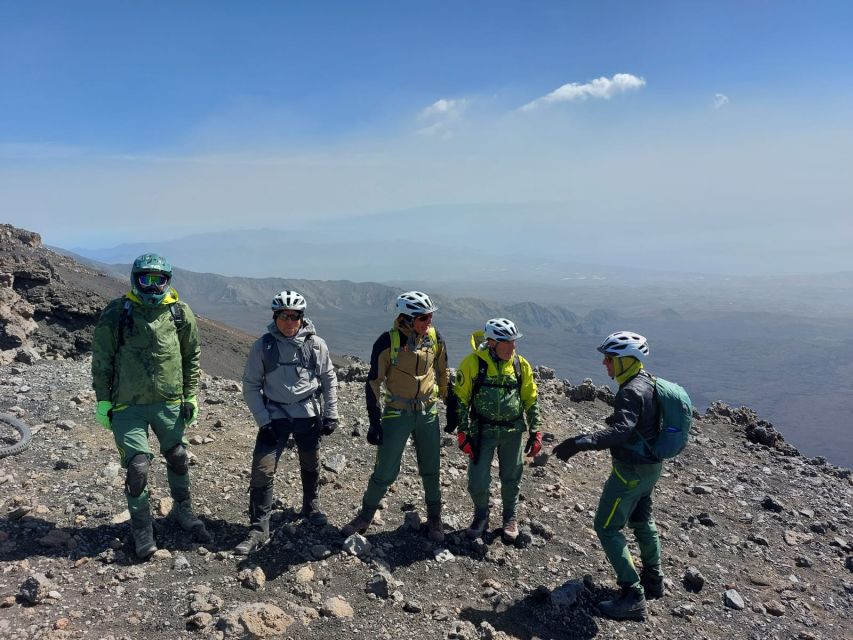
After the crater stop, you’ll continue with a bike tour segment of about 1 hour to a viewpoint area. This section adds movement after the longer walking/standing component, which helps break up the day.
This is also where you should slow down mentally. On a volcano, you can cycle past something spectacular and only fully appreciate it when you stop and look. Use this viewpoint time to zoom out and get context: the shape of the valley systems, the way the volcanic terrain spreads, and the overall direction of the coast and sea views when conditions are clear.
If you’re the type who likes photos, bring your patience. The most impressive shots often happen when you’ve got a moment to compose rather than when the group is moving quickly.
Arriving at the 2800 m Volcanological Observatory: where the day pays off
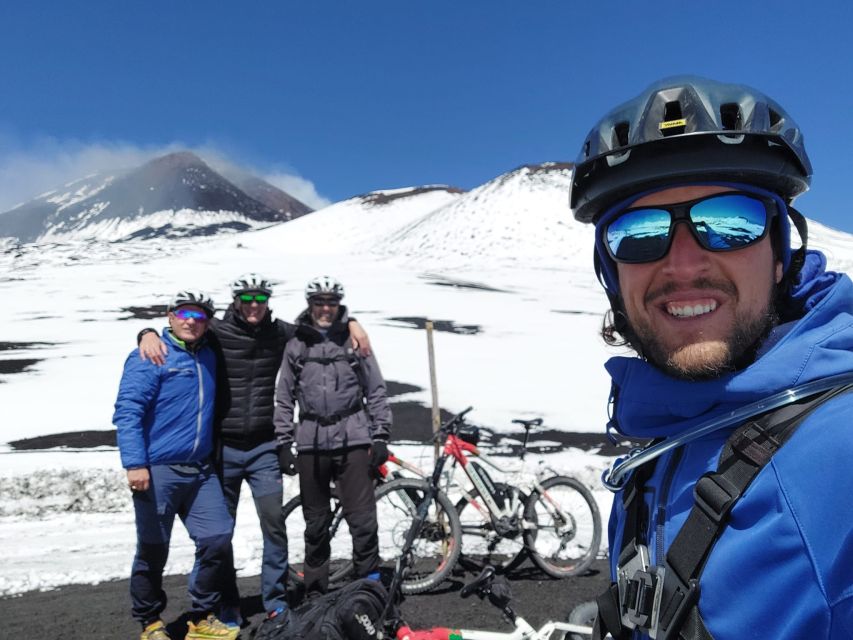
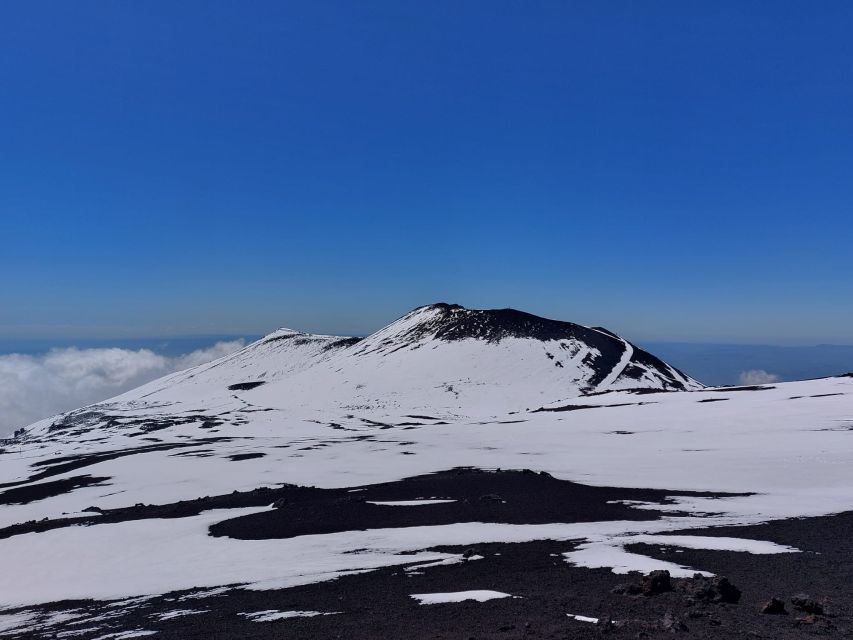
The big destination is the Volcanological Observatory at around 2800 meters. This is where you arrive after the ride and regain your strength. You relax with panoramic views while taking in key landmarks tied to Etna’s volcanic story.
You can gaze toward:
- the summit craters of Etna
- the Ionian Sea
- the Valle del Bove
This observatory stop is valuable in two ways. First, it gives your body a break at altitude—helpful if you’re not used to big climbs. Second, it gives your brain the “big picture” moment. It’s one thing to pedal through volcanic terrain. It’s another to look out from a high observation point and understand where everything sits relative to the coast and Etna’s major features.
And yes, you’ll feel the satisfaction of reaching the top-level destination by bike. It’s the kind of win that makes you want to tell someone about your day before you even get back down.
Getting back down: drop-off options and keeping your day flexible
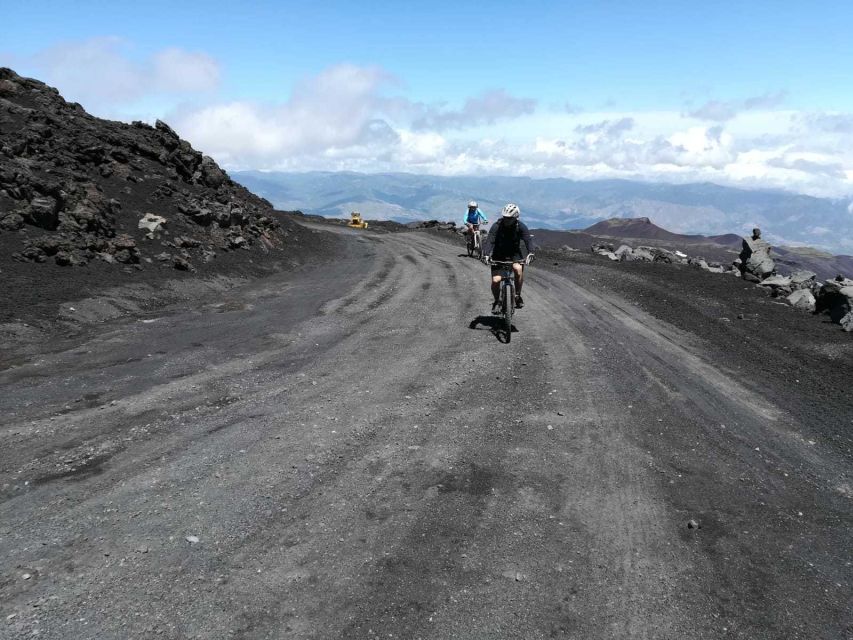
At the end, the tour returns back to the meeting point area, with drop-off at two locations linked to Euro Etna Tourism and Etna Quad. That flexibility helps if you’re planning to head onward afterward.
One practical tip: keep a loose schedule for the rest of your day. Your total duration can range from 2 to 6 hours depending on starting times, and your pace will be influenced by how the route and crater/viewpoint timing align for your group.
Price and value: what $113.29 buys you on Etna
The price is $113.29 per person, and the value is tied to what’s included.
You get:
- a qualified mountain bike guide
- bike and equipment rental
- SPD pedals on request (nice if you prefer that setup)
What you don’t get:
- lunch
- anything else not listed as included
For your money, you’re not paying for a “sit on a coach and watch” experience. You’re paying for guided riding, specialized equipment, and expert time at the key spots—especially the long Barbagallo Crater guided portion. That’s the kind of expense that’s easy to overlook when you only compare ticket prices.
My suggestion: if you budget lunch separately, you’ll feel the day is nicely balanced. If you show up hungry because you assumed it was included, that’s when the cost starts to feel unfair.
Who this tour suits (and who should skip it)
This is best for people who like active travel and don’t mind a workout on uneven terrain.
It’s also a good match if you:
- enjoy guided outdoor learning, not just photos
- want a small-group experience (max 15)
- can handle dirt-path climbing and bumpy volcanic ground
- want a high-altitude endpoint around 2800 meters
It’s not recommended for people with limited mobility, and it’s specifically noted as not suitable for:
- pregnant women
- people with back problems
- people with mobility impairments
If you’re on the edge—maybe your fitness is fine but your back is iffy—this is one of those tours where “I can try” can turn into “I’m miserable.” Better to be honest about your body than to force it on a volcano ride.
What the best guides make easier (Simoni is a named highlight)
Good guides don’t just lead—they translate. In the case of this tour, Simoni is specifically called out for delivering an excellent experience. That fits what you want on Etna: someone who can help you understand what you’re seeing, keep the group moving at a good rhythm, and guide you safely through volcanic terrain.
Even if you’ve ridden plenty before, a volcano adds variables. A skilled guide helps you focus on the experience instead of second-guessing every step, turn, and stop.
Should you book the Mount Etna Summit Cycling Tour?
Book it if you want a real physical experience on an active volcano, with a guided learning stop at Barbagallo Crater and a high-point break at the Volcanological Observatory. The small group size and included bike gear make it a straightforward “show up and ride” day, and the views add real payoff.
Skip it if you need a low-impact outing, have back or mobility concerns, or you’re looking for mostly flat sightseeing. Also skip if you hate the idea of planning meals yourself, since lunch isn’t included.
FAQ
FAQ
Where does the Mount Etna summit cycling tour start?
You start inside the Euro Etna Tourism hut.
How long is the tour?
The duration is listed as 2 to 6 hours, depending on available starting times.
What’s included in the price?
Included are a qualified mountain bike guide, bike and equipment rental, and SPD pedals on request.
Is lunch included?
No, lunch is not included.
What language are the guides?
The live tour guide offers English and Italian.
What should I bring?
Bring comfortable shoes and sunglasses.
Are SPD pedals available?
Yes, SPD pedals are available on request.
Is this tour suitable for limited mobility or back problems?
It is not recommended for people with limited mobility, and it is also listed as not suitable for people with back problems and mobility impairments.
Are pets, smoking, or large bags allowed?
Pets are not allowed. Smoking is not allowed. Luggage or large bags are also not allowed.