REVIEW · QUEENSTOWN
Lake Dunstan Discovery Day Tour by eBike with Shuttle
Book on Viator →Operated by Mapua Ventures Ltd (trading as: Kiwi Journeys) · Bookable on Viator
Lake Dunstan feels made for e-bikes. This small-group Central Otago ride pairs easy trail support with huge variety, from river edges to vineyards, with a Carrick Winery lunch stop as a built-in payoff. My only caution: parts of the Lake Dunstan Trail are steep and narrow (Grade 3), so you’ll want solid bike confidence and fitness.
I like how the tour handles the annoying bits for you: you don’t hunt down a rental, you get kitted with a helmet and gear, and you’re shuttled to where the riding starts. You also get time to ask questions, not just follow a line on a map, which matters when the trail gets technical.
If you’re the type who hates gear-checks and long uncertainty, this tour is set up for you. One note: the day runs on a schedule, so arrive on time for the morning handoff at Cromwell, and don’t plan to linger too long before the shuttle.
In This Review
- Key highlights to know before you go
- Getting kitted in Cromwell: the day starts easy
- What you pay and why it feels fair
- Shuttle to Clyde: why this routing is the smart move
- The ride itself: Clyde to Cromwell on the Lake Dunstan Trail
- E-bike pacing you can actually enjoy
- The trail difficulty: Grade 3 sections are real
- Stop 1: Cromwell Heritage Precinct
- Stop 2: Clyde Dam
- Stop 3: Kawarau River area
- Stop 4: Bannockburn
- Lunch at Carrick Winery: plan for your own break
- Bikes and gear: what’s included and what you’ll notice
- Small-group touring: easier questions, safer energy
- Weather and real-world timing: what to watch on the day
- Who should book this eBike tour (and who should think twice)
- Tips to make your Lake Dunstan day smoother
- Should you book Lake Dunstan Discovery Day Tour by eBike?
- FAQ
- What’s the duration of the Lake Dunstan Discovery Day Tour?
- Does the price include the e-bike rental?
- Where does the tour start and what time?
- Will I need transport to get to where I start riding?
- What stops are included during the ride?
- Is lunch included?
- How many people are in the group?
- How hard is the trail?
- What equipment is provided?
- Is the tour affected by weather?
Key highlights to know before you go
- eBikes included (so you skip bike hire stress)
- Small group up to 14 people for real questions and safer pacing
- Trail support gear included: helmet, repair kit, carrier bag, and odometer
- Shuttle transport from Cromwell to Clyde so you ride the scenic bit without logistics headaches
- Lunch at Carrick Winery (own expense) that breaks up the ride nicely
- Grade 3 sections on the trail mean confidence and fitness are part of the deal
Getting kitted in Cromwell: the day starts easy
The tour meets at Kiwi Journeys Central Otago, at 182 State Highway 8B in Cromwell. You start at 9:00 am, and the ride begins after a shuttle takes you from Cromwell to Clyde (departing 9:15 am). Even if you’re not a confident cyclist, I like this flow: meet, gear up, get your bike sorted, then ride.
The most practical thing you get is time for a bike fitting and safety briefing. The bike is adjusted for you on-site, plus you get a clear course rundown before you roll. In the small details, that’s what makes a big difference later—when you’re tired, the “what do I do next?” questions disappear.
Also included: a helmet, a repair kit, a carrier bag, and an odometer. That last one is surprisingly useful. It helps you gauge effort and pace without constantly checking your phone. Phones die fast on bright days.
You can also read our reviews of more tours and experiences in Queenstown.

What you pay and why it feels fair
It costs $117.91 per person for about 6 hours on the trail, with the e-bike included plus shuttle transport and basic ride support gear. On paper, that’s not cheap. In real life, it’s easier to justify because you’re paying for the parts that usually eat up your day:
- you’re not organizing rentals
- you’re not figuring out how to get to the start point
- you’re not riding blind without trail guidance and a safety briefing
There’s also a built-in lunch stop at Carrick Winery (you pay for your meal and drinks separately). That’s a real value-add if you want an iconic Central Otago break without turning it into a separate plan.
If you already have your own e-bike and you love doing DIY logistics, you might find it cheaper to handle the trip independently. But if you want a smooth, guided day that’s actually about the ride, this price often lands as fair.
Shuttle to Clyde: why this routing is the smart move
Most people picture a long ride and assume they should start exactly where they’re staying. This tour flips that: you get transported from Cromwell to Clyde, then you cycle back toward Cromwell.
That matters because it changes how the day feels. You’re not wrestling with parking, traffic, or figuring out a one-way return. You’re also more likely to hit the best “bikes-on-the-road” momentum once you’re moving.
One real-world timing note from experiences on the ground: the shuttle timing can vary a bit. If you’re the type who likes a perfectly timed morning routine, you’ll sleep better if you show up early and build in a short buffer at the meeting point.
The ride itself: Clyde to Cromwell on the Lake Dunstan Trail
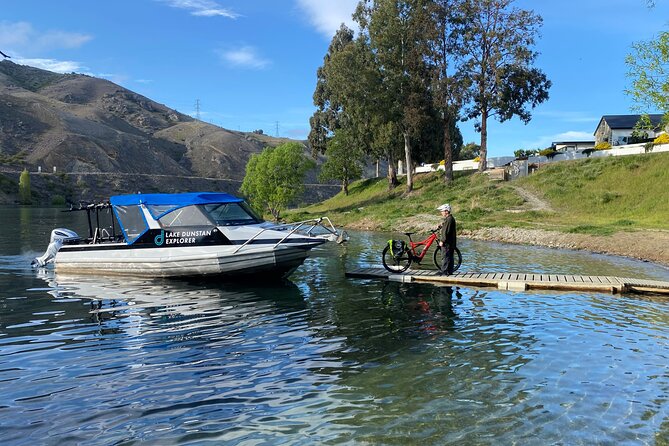
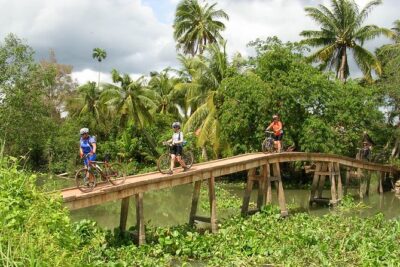
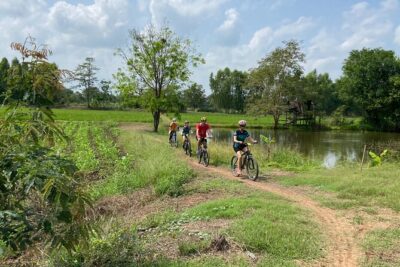
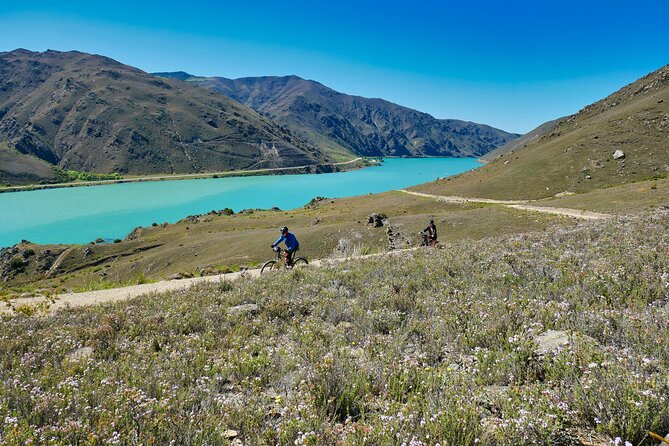
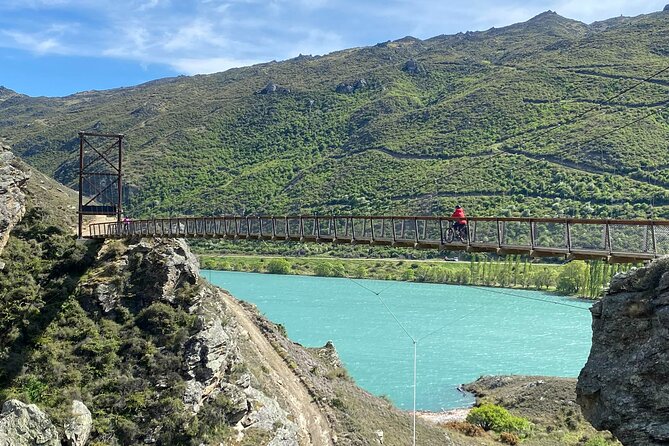
You’ll ride the Lake Dunstan Trail through Central Otago’s distinctive mix of rivers, farmland, and vineyard country. The route links Clyde to Cromwell and passes key waterways including the Kawarau River and the broader Clutha River area. You’re not stuck in one mood the whole way. There are stretches with open views, then sections that feel tucked beside the water.
E-bike pacing you can actually enjoy
The big advantage of an e-bike here is control. You can keep a comfortable effort, even when the day includes tougher bits. Many riders find they can slow down for photos without instantly paying for it later on the next climb.
The tour also feels designed for “ride and look,” not “race and suffer.” You’ll still get real movement—this isn’t a motorbike tour—but the assist helps you keep the day fun.
The trail difficulty: Grade 3 sections are real
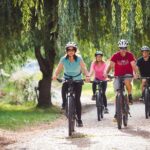
Here’s the caution you should take seriously. The Lake Dunstan Trail has Grade 3 sections, meaning it can get steep and narrow. You don’t need to be a mountain biker, but you do need a reasonable level of comfort on a bike when the space tightens and the grade rises.
If you hesitate at tight turns, or you’re still learning how to shift smoothly while balancing, I’d treat this as a “practice first” ride. With the right confidence, it’s rewarding. With low confidence, it’s stressful.
Stop 1: Cromwell Heritage Precinct
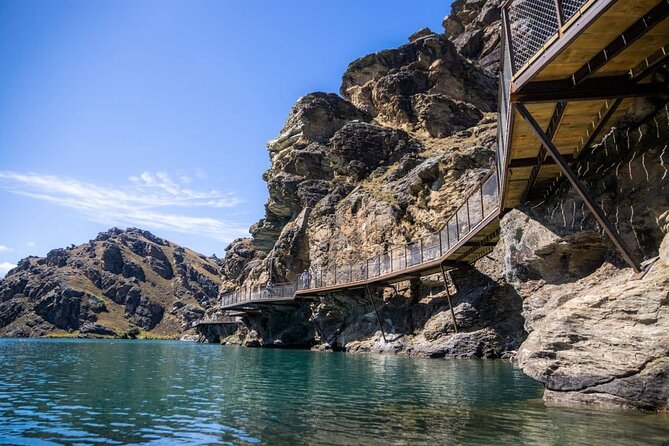
The day includes a stop at the Cromwell Heritage Precinct. This is a good way to anchor the ride to place. You get a moment that connects the scenery to the town itself, which helps you understand what you’re moving through rather than just passing by.
Practical tip: treat this stop as a time to breathe and reset before you head into the next stretch. Bring a layer or a wind layer here if the weather shifts. Central Otago can feel mild until it doesn’t.
Stop 2: Clyde Dam
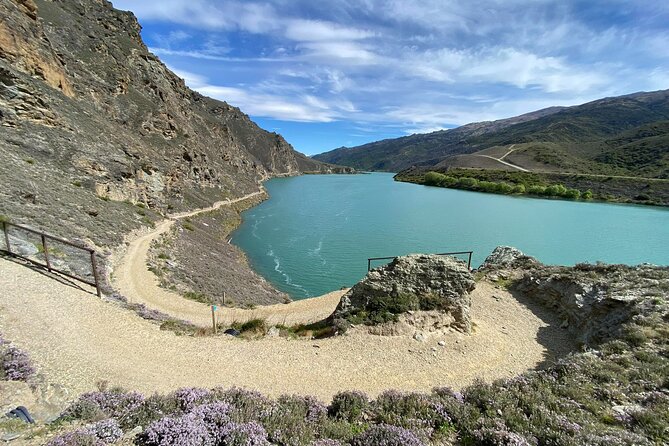
Next up is the Clyde Dam stop. Dams sound technical, but on this route they’re more about scale and viewpoint than engineering talk. This is the kind of stop where you can capture the contrast: built structure against long river lines and wide skies.
The key value here is perspective. A dam stop breaks the ride rhythm and gives you a chance to refocus on what comes next.
Stop 3: Kawarau River area
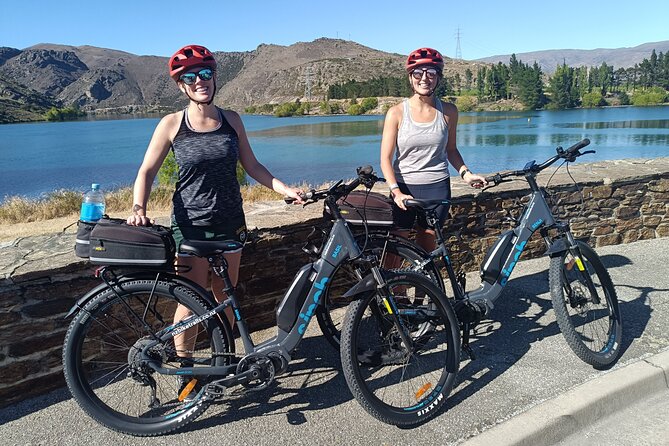
You’ll pass the Kawarau River. This section is where the ride starts to feel extra scenic in that watery, reflective way—great for photos, and also mentally refreshing because you’re not just staring at vineyards and dry paddocks the whole time.
I also like river-adjacent sections for pacing. They tend to reward calm riding: steady power, smooth pedaling, and looking ahead.
Stop 4: Bannockburn
You’ll also stop in Bannockburn. It’s a classic Central Otago setting—again, more than just a name stop. The ride connects you to the wine-growing region so you see why vineyards matter here beyond branding.
If you like tasting wine but don’t want a full wine-tour day, this kind of stop hits the sweet spot. It’s scenic and culturally relevant without hijacking your schedule.
Lunch at Carrick Winery: plan for your own break
Lunch is built around a stop at Carrick Winery. The big detail: lunch and drinks are not included. That’s normal, but it changes how you plan your day.
I recommend you check what you’re likely to want before you arrive—especially if you have dietary limits. Also, bring a bit of cash or card that works smoothly for your meal, because you don’t want a small payment snag to ruin the break you’re counting on.
This is one of those stops that turns the ride from a “nice day out” into a “I’ll remember this.” People often say the Carrick stop is a standout, and that matches the logic: it’s the right place, at the right time, in the middle of a pretty long pedal.
Bikes and gear: what’s included and what you’ll notice
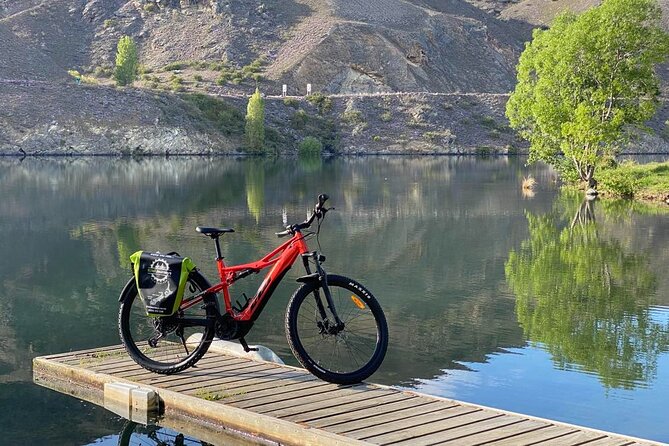
The tour provides a top quality comfort trail eBike plus the essentials to handle a day on the track. That includes:
- a helmet
- a repair kit
- a carrier bag
- an odometer
- a map and information
In practice, what you’ll notice most is bike condition and fit. One strong theme from experience is that the bikes are well maintained—working gears, strong brakes, and panniers/bags that actually fit riders comfortably. There’s also mention that the team can match bikes to the rider (including a full suspension e-bike and, for some bookings, a hard tail non-electric bike).
If you’re bringing kids or riding as a family, it’s also worth knowing that smaller bike sizes have been offered for families on these trails.
Small-group touring: easier questions, safer energy
Max group size is 14 travelers. I like this because you can actually talk to your guide without feeling like you’re shouting into a crowd. It’s also easier to keep the pacing steady when the group is small.
Expect frequent opportunities to ask questions—about the trail, the scenery, or what to watch for ahead. That matters on a route with Grade 3 sections, because confidence often comes from clarity.
Weather and real-world timing: what to watch on the day
This tour needs good weather. If weather is poor, you’ll be offered a different date or a full refund. That’s a fair setup since these trails don’t become safer just because you really want to ride.
For timing, aim to arrive early at the meeting point. One experience noted a longer-than-expected shuttle departure. You can’t control that, but you can control how much stress it creates. Show up, get your bike fitting, and you’ll feel less rushed if the day shifts.
Who should book this eBike tour (and who should think twice)
This is a great fit if:
- you want guided cycling through Central Otago without doing the logistics yourself
- you like scenic breaks and a structured day
- you’re comfortable riding with some steady effort and a few tougher trail sections
- you’d rather ask questions than self-navigate
You should think twice if:
- you feel unsure handling a bike on steep, narrow trail segments
- you’re new to cycling or you haven’t built confidence on uneven or constrained paths
- you need a fully flat route with no technical moments
If you’re a confident rider with decent fitness, the e-bike support turns this into a fun challenge instead of a battle.
Tips to make your Lake Dunstan day smoother
A few practical things I’d do to make the ride more enjoyable:
- Wear shoes with solid grip. You don’t want a pedal foot-slip moment turning into a balancing act.
- Bring a light layer. Cool wind can feel sharper along water.
- Take photos safely. Stop where the trail is wide enough; don’t stop mid-narrow section.
- Save your battery-chatter for after the briefing. If you understand the trail and rules early, you’ll enjoy the ride more.
Also, be ready for the day to include multiple scenic “wow” moments. If you try to race through it, you’ll miss what makes it special.
Should you book Lake Dunstan Discovery Day Tour by eBike?
If you want a scenic Central Otago ride with e-bikes included, a shuttle to the start, and a well-paced day with structured stops, I think you should book it. The overall value comes from removing the hassle: rental setup, start-point logistics, gear support, and a guide who keeps the day flowing.
Book it if you’re willing to handle Grade 3 stretches with calm, steady control. If that trail difficulty sounds intimidating, switch to a more beginner-friendly route first.
Final thought: this is one of those days where the planning effort is light, but the scenery and satisfaction are high. If that’s your travel style, you’ll likely love it.
FAQ
What’s the duration of the Lake Dunstan Discovery Day Tour?
The tour runs for about 6 hours.
Does the price include the e-bike rental?
Yes. Bike hire is included, and you ride a comfort trail eBike provided by the tour.
Where does the tour start and what time?
It starts in Cromwell at Kiwi Journeys Central Otago (182 State Highway 8B) at 9:00 am.
Will I need transport to get to where I start riding?
Yes. There is a shuttle from Cromwell to Clyde, departing at 9:15 am.
What stops are included during the ride?
The tour includes stops at the Cromwell Heritage Precinct, Clyde Dam, Kawarau River, and Bannockburn.
Is lunch included?
No. Lunch and drinks are additional and purchased at your own cost, with a lunch stop at Carrick Winery.
How many people are in the group?
The tour has a maximum of 14 travelers.
How hard is the trail?
The Lake Dunstan Trail includes some Grade 3 sections that can be steep and narrow, so a good level of fitness and confidence on a bike are important.
What equipment is provided?
You receive cycle equipment including a light, helmet, repair kit, carrier bag, and an odometer.
Is the tour affected by weather?
Yes. The tour requires good weather. If it’s cancelled due to poor weather, you’ll be offered a different date or a full refund.