REVIEW · LA PAZ
La Paz: Mountain Bike Down the World’s Most Dangerous Road
Book on GetYourGuide →Operated by Gravity Bolivia · Bookable on GetYourGuide
Death Road sounds like a dare. And it is. What makes it doable is the way Gravity Bolivia runs the day, with top bikes plus a team that actually checks everything so you can focus on the ride.
I really like the mix of huge scenery and real structure. You’ll cruise from wind-swept La Cumbre at 4700 meters, then tackle the narrow dirt run down toward Yolosa, with stops for photos, snacks, and coaching along the way.
One drawback to plan for: the experience is pricey at $145, and you still need to budget extra for the road tax (50 bolivianos) the day of.
In This Review
- Key takeaways before you point your bike downhill
- Death Road in one day: the 64 km descent from La Cumbre to Yolosa
- Café del Mundo meeting point, breakfast fuel, and bike setup that matters
- First big drop: asphalt switchbacks, llamas, alpacas, and photo breaks
- The Yungas section: misty dust, narrow dirt, and the real challenge
- How safety really works on a road like this
- The finish at La Senda Verde Animal Refuge: lunch, animals, and a softer landing
- Price and value: what $145 buys on Death Road
- Who should do this (and who should skip it)
- A few practical tips so you enjoy it more
- Should you book this Death Road ride with Gravity Bolivia?
- FAQ
- How long is the Death Road bike tour?
- Where is the meeting point in La Paz?
- What’s included with the biking gear?
- Is breakfast included?
- Is lunch included at the end?
- Are there snacks and water during the ride?
- Can I stop riding and take the bus during the tour?
- Is there anything optional to buy during the day?
- What additional cost might I need to budget for?
- Who isn’t this tour suitable for?
Key takeaways before you point your bike downhill
- A 64 km descent from La Cumbre to Yolosa, including the famous narrow dirt section cut into the mountain.
- Full-suspension downhill bikes with hydraulic disc brakes, kept in shape by a mechanic all day.
- Small groups (up to 14) with a tight team setup: 1 guide, 1 mechanic, plus a private safety vehicle.
- Safety systems you can feel, including a follow bus you can board at any point.
- Finish at La Senda Verde Animal Refuge with buffet lunch and a chance to see rescued animals in the Yungas.
Death Road in one day: the 64 km descent from La Cumbre to Yolosa
This is a one-day, point-to-point mountain bike ride based around the infamous stretch locals call Camino de la Muerte (Death Road). You start high, at La Cumbre (4700 meters), then spend the day dropping fast through dramatic changes in altitude and weather.
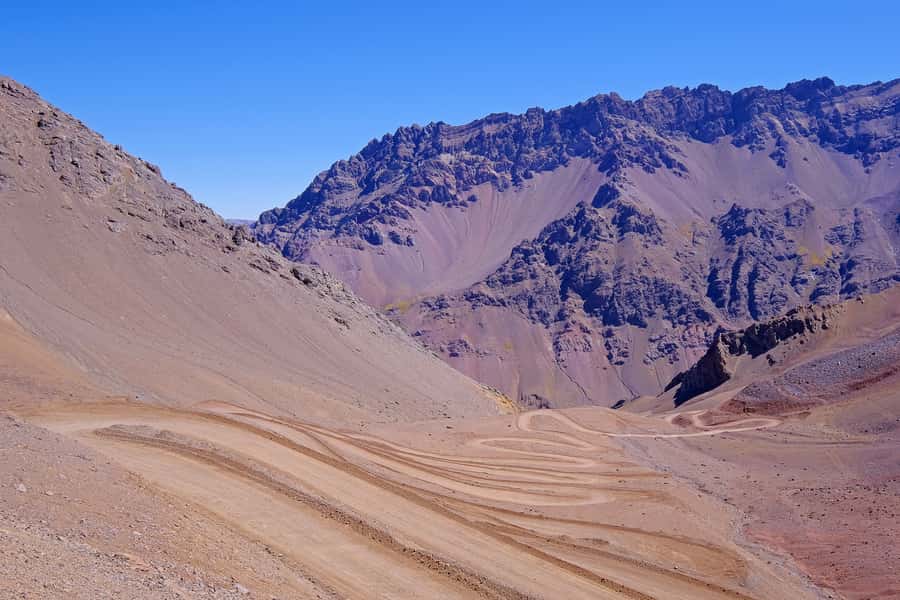
The official version of the route is a 64 km descent. It’s not just one kind of riding either. You’ll move from asphalt switchbacks with cliff views into the tougher Yungas segment: a narrow dirt road carved into the mountainside, where mist, dust, and steep exposure are part of the deal.
And the day doesn’t just end when your brakes get hot. You ride all the way down to Yolosa, then head to La Senda Verde Animal Refuge, about 3500 meters below where you started. That change of pace is smart. It turns the day from pure adrenaline into a complete experience.
Café del Mundo meeting point, breakfast fuel, and bike setup that matters
You meet outside Café del Mundo in La Paz. This matters more than it sounds, because a smooth start helps you get ready before altitude has you second-guessing every decision.
Breakfast is included, and it’s more substantial than a token pastry stop. You get choices including eggs, ham and cheese, vegetarian options, and vegan options. In other words, you can eat without worrying you’ll spend the morning riding on fumes.
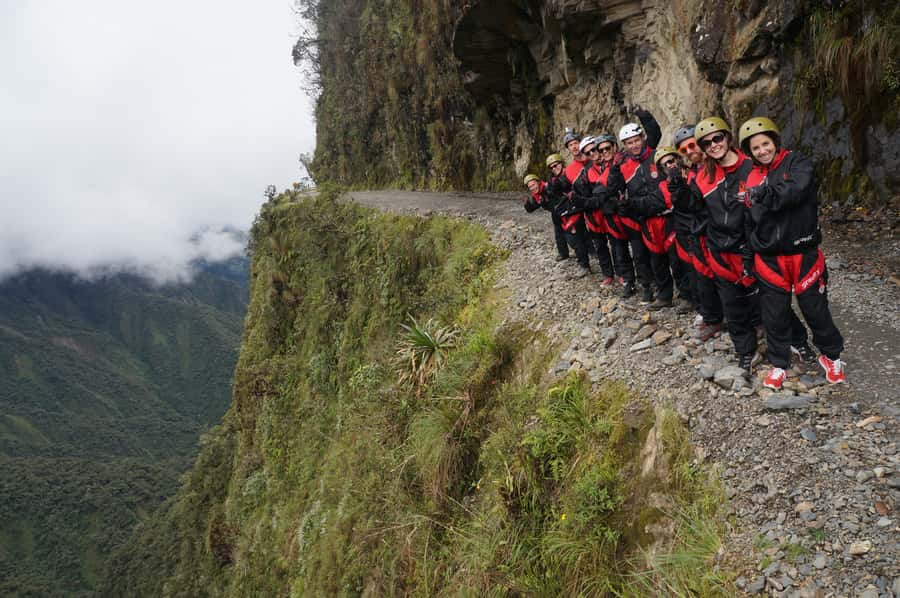
Then comes the gear and the bike. You’ll get a top-of-the-line helmet (normal or full face), plus pants and jackets for cold or wet weather. You’re also fitted with elbow and knee pads and bike gloves. Most people underestimate how much this helps once you’re dealing with wind at altitude and road dust later.
The bikes are full-suspension downhill mountain bikes with hydraulic disc brakes. That’s huge for control on steep sections. And each tour includes a mechanic on the team, so your bike isn’t treated like a throwaway rental. Multiple stops include bike checks too, which is the kind of detail you want on a route with real consequences if something fails.
First big drop: asphalt switchbacks, llamas, alpacas, and photo breaks
After pickup and breakfast, you drive up to La Cumbre (4700 meters). At that height, the air can feel thin, and the wind can feel rude. The payoff is the kind of view that makes you stop gripping the handlebars quite as hard.
The first riding segment is a rapid descent on twisting asphalt. This is the part that lets you build confidence. You’ll move through mountain peaks and pass llamas, alpacas, and tiny villages, plus more dramatic cliff edges and big open drop-offs.
There are refreshments and rest breaks along the way. These aren’t just “look around” moments. They’re time to reset your hands, adjust your riding rhythm, and snap photos without feeling rushed. You’ll have unlimited water, plus two snacks during the ride.
Also, the guides talk you through what’s next in plain language. In practice, that means you’ll know when the road tightens, when it gets dusty, and how to manage your speed so you don’t blow yourself up before the hard section.
The Yungas section: misty dust, narrow dirt, and the real challenge
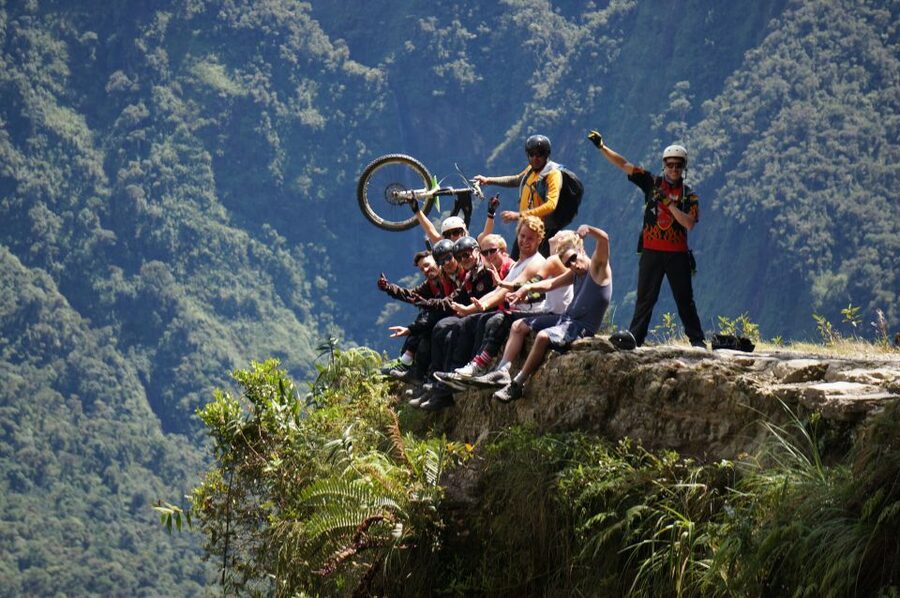
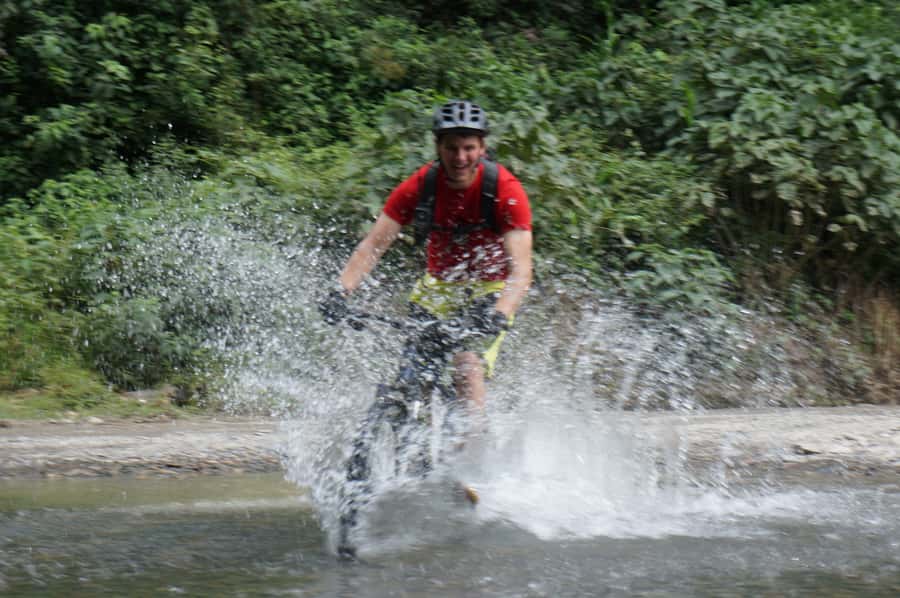
This is the part people mean when they say Death Road. After a short undulating run, you enter the jungle-type environment and the most challenging stretch: a narrow dirt road cut precariously into the mountainside.
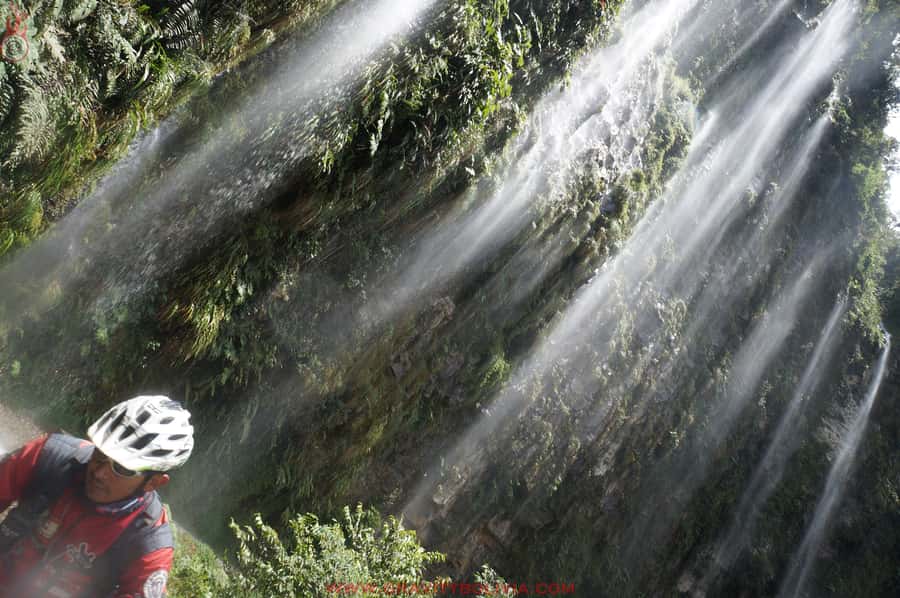
The altitude keeps dropping, and the terrain makes you work. You’ll ride through mist, low cloud, and dust. It gets hotter as you descend, and the late sections can feel more physical simply because you’re riding while the air and footing are less predictable.
You’re also dealing with exposure. Even if you ride fast, you’re still managing drops to the side, and you’re sharing a corridor that isn’t forgiving. This is why the guides push pacing and control over bravado. The goal is to get you down safely with enough energy left to enjoy it.
One smart detail: there are repeated check points and breaks. You don’t just get dumped into the steep section and sent away. That support is part of why so many rides end with people saying it felt thrilling but very well managed.
How safety really works on a road like this
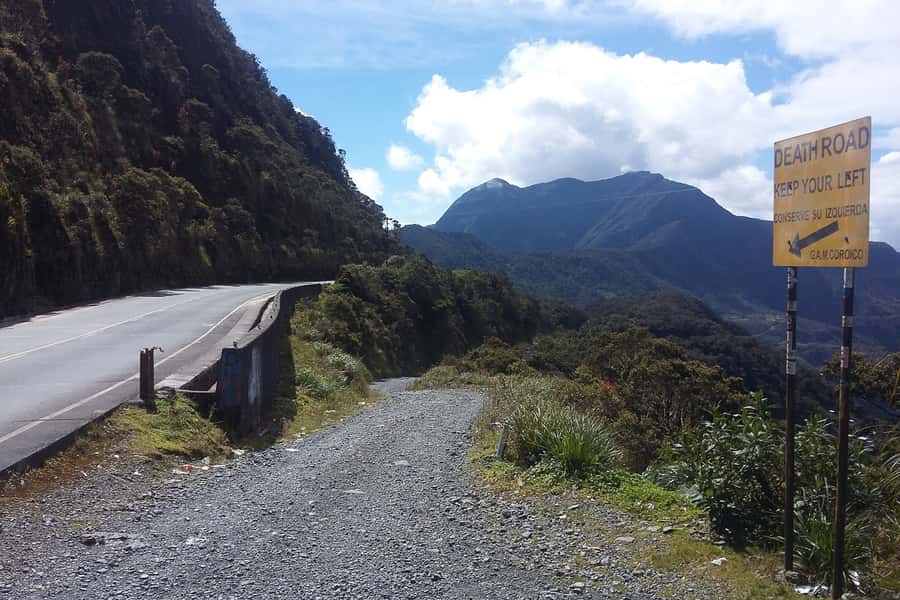
Death Road has a reputation for a reason. What changes the day is the safety system around you.
First, the crew ratio is tight. Each group has 1 guide and 1 mechanic, plus a private safety vehicle. Small groups (up to 14 participants) help you get real attention instead of a quick briefing and hope-for-the-best riding.
Second, the bikes aren’t left alone. During stops, your team checks bikes and gear. That comes up again and again in how people describe the experience: tire and brake checks, guidance before the next section, and quick fixes if anything feels off.
Third, there’s the follow-van plan. A bus follows the route all day, and you can get on it at any point during the tour. That’s not only for emergencies. It’s also for sanity if you feel out of your depth or your legs turn to jelly.
Guides also retain the right to move you onto the bus for your own safety, or for the safety of other riders. That’s one of those rules that sounds strict until you remember the road is steep enough that one bad moment can snowball.
Finally, the company’s safety approach is built around international safety standards, and it’s tied to their claim of the best safety record in Bolivia. That claim is backed by how often riders mention professionalism, calm problem-solving, and prepared rescue response on the day.
The finish at La Senda Verde Animal Refuge: lunch, animals, and a softer landing
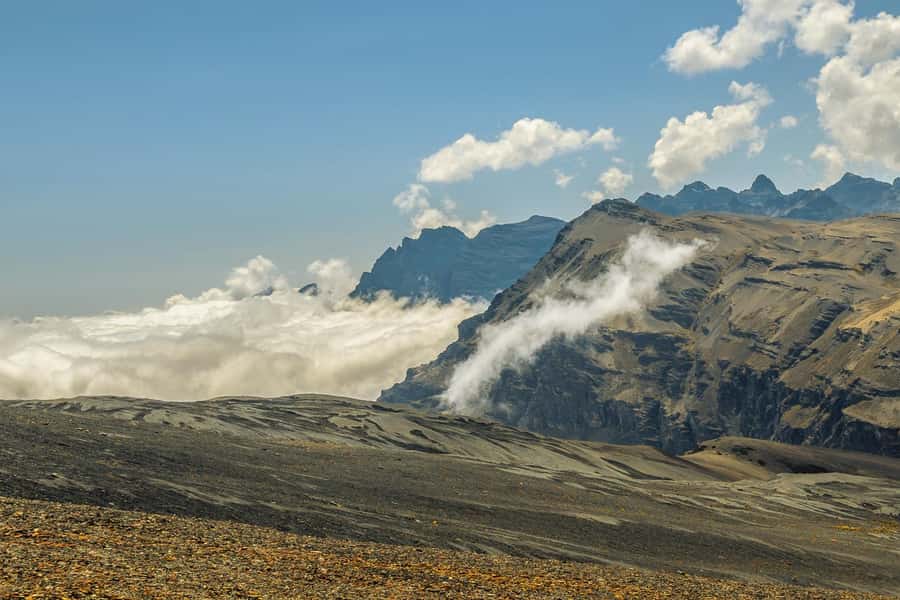
The day ends at La Senda Verde Animal Refuge. This is where the ride turns into something more meaningful than just biking through scenery.
You get a buffet lunch and the entrance to the refuge is included. The refuge visit also gives you a reason to feel good about the experience beyond your own photo-filled day. People describe the refuge work as rescuing animals from the black market.
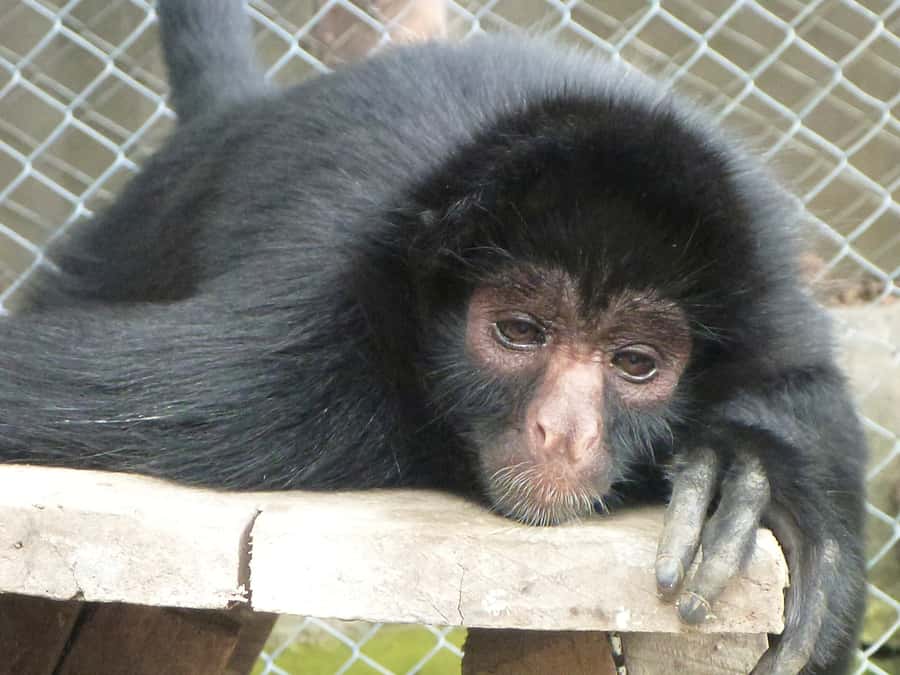
In terms of animals, you might see hundreds of monkeys, an Andean spectacled bear, capibara, and lots of birds. It’s a different kind of watching compared to the road. You’re not bracing for the next turn. You’re taking in a place that’s quietly doing the hard work of conservation.
Some riders also mention the ending includes hot showers with shampoo and towels. Others mention a finish that can include a beer and feed for the animal sanctuary. Even if you’re muddy and sunburned, that soft landing helps the day feel complete.
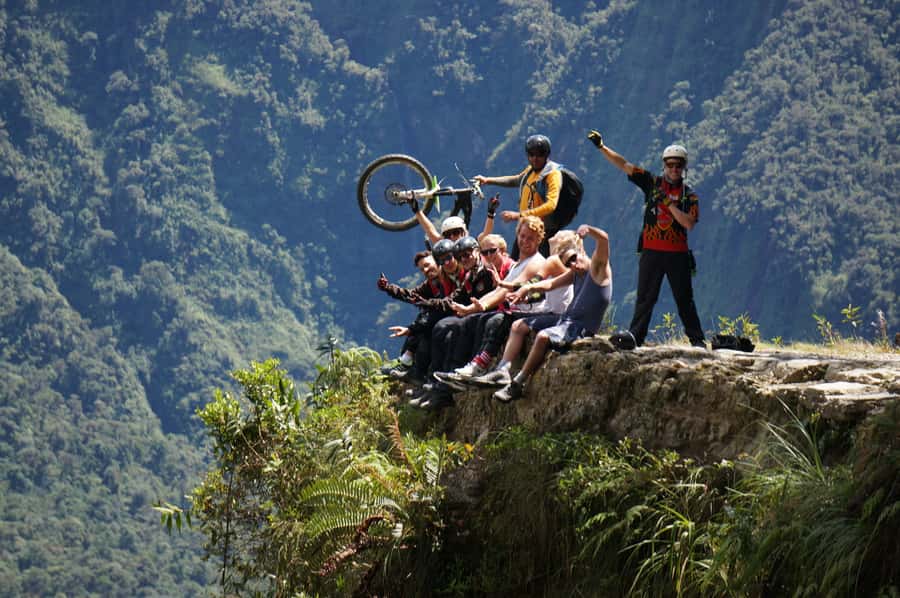
And because the day is photo-heavy, you’ll also get 100s of pictures uploaded and shared. That matters on Death Road, because you don’t want your hands off the bars for long just to capture your own proof you survived.
Price and value: what $145 buys on Death Road
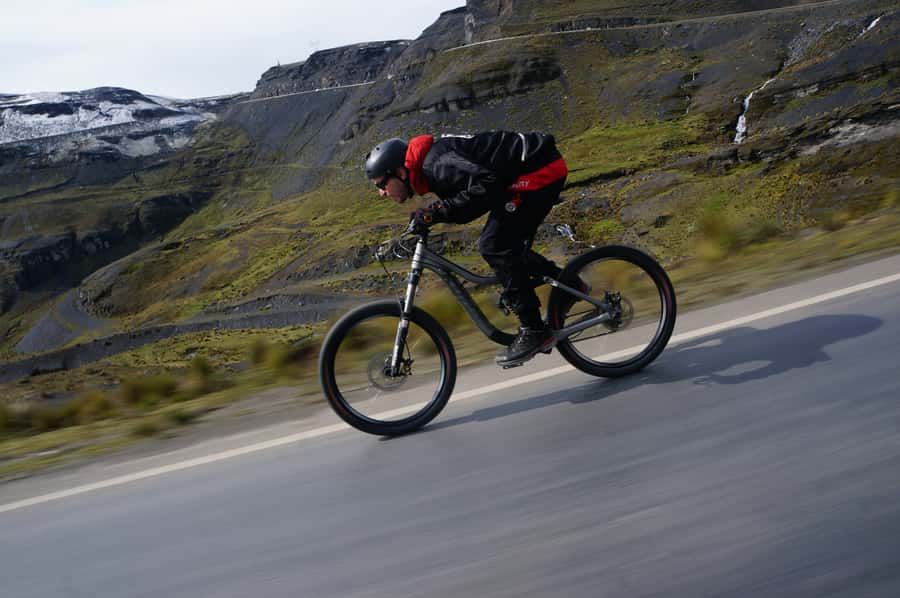
At $145 per person for a one-day ride, this isn’t a budget activity. But it’s also not just bike rental plus a guide who disappears. The included value stack is the point:
- Bike and safety gear: full-suspension bike, hydraulic disc brakes, helmet (normal or full face), pads, gloves, and cold/wet clothing.
- Food: breakfast at Café del Mundo, plus a box lunch, plus snacks during the ride.
- The experience extras: unlimited water, a buff you keep, and hundreds of photos.
- The safety infrastructure: guides, a mechanic, a private safety vehicle, and a bus that follows so you can bail out at any point.
Then there’s the small extra you must budget: road tax (50 bolivianos) is not included.
If you care about doing Death Road without gambling on cheap bikes or rushed maintenance, the higher price starts to make sense fast. You’re paying for brakes, suspension, and a team that treats this as serious work, not a dare to check off.
Who should do this (and who should skip it)
This ride is best for you if you can ride a bike confidently and you’re ready for steep exposure, dust, and altitude. The tour is not suitable if you can’t ride a bike, if you’re using a wheelchair, or if you have mobility impairments.
It’s also not recommended for pregnant women. And there’s a height limit: under 3 ft 9 in (120 cm) can’t be accommodated.
Fitness-wise, you don’t need to be a downhill racer. The route allows you to go at your own pace, with coaching and stopovers. Still, your legs will feel it. Even if much of the ride is freestyling down, you’re working your balance and braking on a serious grade.
If you’re a first-time mountain biker, you can still do it as long as you’re comfortable riding and you follow the guide’s coaching. People describe getting support so you don’t feel thrown into the steep parts without a plan.
A few practical tips so you enjoy it more
Death Road can swing between cold wind at altitude and heat at the bottom. Wear layers that won’t fight you while you’re riding.
Bring:
- Warm clothing (even with jackets/pants provided)
- Sunglasses
- Change of clothes for after
- Hiking shoes (closed-toe, secure footing)
- Sunscreen and insect repellent
- Cash
- A daypack
Also, think about the road conditions. If weather is nasty, you’ll still ride, but the gear and pacing matter even more. A lot of the success of the day comes from not rushing. People consistently mention that it’s not a race to the bottom.
One more note: if you feel you need a break, use the follow bus option. The guides can also put you on the bus if it’s safer for you and the group. That’s not a failure. It’s smart risk management.
Should you book this Death Road ride with Gravity Bolivia?
If you want Death Road mountain biking, I think this is the kind of operator you should look for. The biggest reasons are simple: top bikes maintained by mechanics, trained guides who keep control front and center, and a finish at La Senda Verde Animal Refuge that turns the day into more than a stunt.
Book it if you’re excited by steep descents and want a day that feels structured, not chaotic. Don’t book it if you can’t ride a bike, if you fall into the tour’s safety exclusions, or if you know you’ll panic at exposure and dust. In that case, ask about alternative activities in La Paz.
FAQ
How long is the Death Road bike tour?
It runs for one day.
Where is the meeting point in La Paz?
You meet outside Café del Mundo.
What’s included with the biking gear?
You get top-of-the-line helmets, pants and jackets for cold or wet weather, elbow and knee pads, bike gloves, and full-suspension downhill mountain bikes with hydraulic disk brakes.
Is breakfast included?
Yes. Breakfast at Café del Mundo is included, with meat/eggs/ham and cheese plus vegetarian and vegan options.
Is lunch included at the end?
Yes. You visit La Senda Verde Animal Refuge for a buffet lunch, and there’s also a box lunch included.
Are there snacks and water during the ride?
Yes. There’s unlimited water, plus two snacks during the ride.
Can I stop riding and take the bus during the tour?
Yes. The bus follows down the route, and you can get on at any point during the tour. The guide can also move you onto the bus for safety.
Is there anything optional to buy during the day?
Zipline is available to purchase on the day, but it’s not included.
What additional cost might I need to budget for?
Road tax is not included (50 bolivianos).
Who isn’t this tour suitable for?
It’s not suitable for pregnant women, people with mobility impairments, wheelchair users, people who can’t ride a bike, and people under 3 ft 9 in (120 cm).