REVIEW · GALLE
Galle Fort and City Cycling Tour – Choice of E-Bike or Manual
Book on Viator →Operated by Chameera Cycling · Bookable on Viator
If you want old and new Galle in one ride, this works. You’ll pedal from Unawatuna into the UNESCO-listed Old Town of Galle, guided all the way through fortress walls, churches, and seaside viewpoints. I especially like the mix of Dutch/Portuguese-era sights plus everyday city stops, and I like that you get help with safety and traffic so the ride stays calm.
One heads-up: this isn’t a nonstop “ride fast” tour. It’s more tour than bike time, with frequent pauses to talk, look, and snack—so if you want hours of pure cycling, you’ll want to set expectations.
Finally, the choice between retro e-bike and manual bike is a big deal here. E-bikes make the pace easier and help you enjoy the stops without arriving wiped out, but you still need basic comfort in traffic since you’re riding through real streets.
In This Review
- Key moments that make this tour worth your time
- Galle Fort on wheels: why this ride feels efficient
- Starting at Chameera Cycling in Unawatuna and getting ready to ride
- E-bike vs manual: choosing the right bike for Galle’s streets
- Stop-by-stop: how the route builds from waterfront to fort walls
- Dewata village coast (Katugoda) and a quick seaside break
- Galle Fort Clock Tower: a landmark with a date attached
- The lighthouse area (1939): seeing the coast from the fort edge
- Inside the UNESCO Old Town: Dutch Fort and the churches that frame the story
- All Saints Anglican Church (1871)
- Dutch Reformed Church with belfry (1707)
- Flag Rock Bastion: the fort as communications
- Dutch Hospital Shopping Precinct: where old stone meets everyday life
- Snacks, refreshment breaks, and local flavors you can actually use
- Traffic and comfort: why the guide’s role is more than commentary
- Price and value: what you get for around $50
- Who this Galle Fort bike tour suits best
- Should you book the Galle Fort and City Cycling Tour?
- FAQ
- Do I choose between an e-bike and a manual bike?
- How early should I arrive for the tour?
- What’s the duration of the Galle Fort cycling tour?
- Is this a private tour?
- Are entrance tickets included?
- What’s not included in the price?
- What are the height and age requirements?
- Can I cancel for free?
Key moments that make this tour worth your time
- UNESCO Old Town of Galle, on a practical route: you cover fortress highlights and the surrounding city without backtracking.
- Your guide matters: the operator (Chameera Cycling) is known for friendly, attentive guidance and smooth pacing.
- E-bike training at the start: you get supervised time on the e-bike before you roll.
- Real stops, not photo-only stops: churches, the clock tower area, bastions, and the Dutch Hospital shopping precinct each add a different angle.
- Snacks, water, and refreshment breaks: you won’t feel stuck with only water and good intentions.
- Small and private: up to 6 people, and your group rides together, with separate groups for traditional vs retro e-bikes.
Galle Fort on wheels: why this ride feels efficient
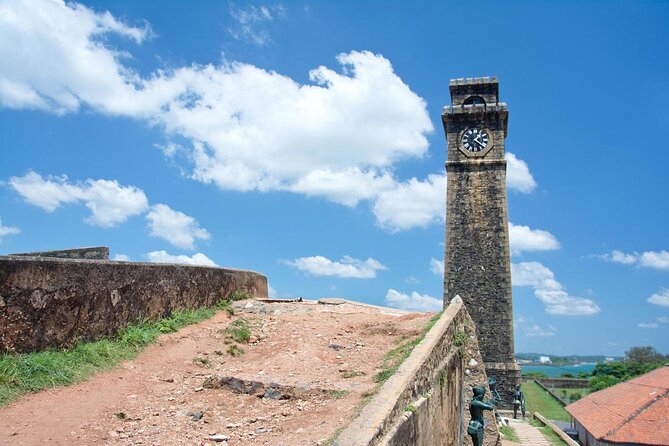
Galle Fort is the kind of place that looks great from the street—and then you realize it’s also a maze of lanes, ramparts, viewpoints, and buildings with layered European influence. Cycling is a smart way to handle that. You’re not stuck choosing between seeing too much or seeing it slowly.
The route also avoids the common pitfall of “tour buses plus selfies.” Instead, you move at a human pace: waterfront stretches when you need an easy rhythm, then short stops for the real landmarks. In other words, you get the walls and the icons and you still see day-to-day Galle outside the fort.
And yes, you’ll do some stopping. That’s the point. The best parts of Galle Fort aren’t only visual—they’re explainable. You’ll hear why the fortifications look the way they do, what role the lighthouse and fort edges played, and how the city developed beyond the walls.
You can also read our reviews of more tours and experiences in Galle.

Starting at Chameera Cycling in Unawatuna and getting ready to ride
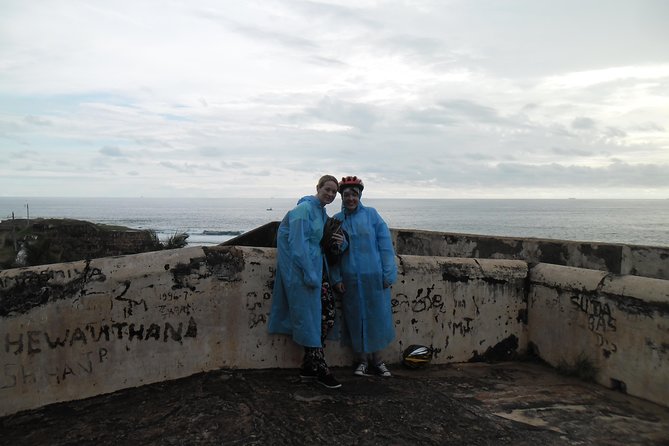
Your tour meets at Chameera Cycling, right on Heenatigala Road in Unawatuna. The first step is paperwork—signing a disclaimer—followed by about 10 minutes of supervised training on the e-bike (if you choose it). Even if you’re on a manual bike, this structure helps keep the group coordinated.
Here’s what matters for your schedule: arrive 20–30 minutes early. That buffer helps you avoid rushing through training and setup, especially if you’re a first-time rider or you need help adjusting to traffic.
Good to know: this is a small, private experience with a maximum of 6 travelers. That size makes it easier for the guide to slow down for questions and keep everyone together without turning it into a wide group shuffle.
Also, e-bike vs manual is handled thoughtfully. Traditional and retro e-bike groups ride separately with the local guide, which usually means fewer slowdowns and less confusion over speed and handling.
E-bike vs manual: choosing the right bike for Galle’s streets
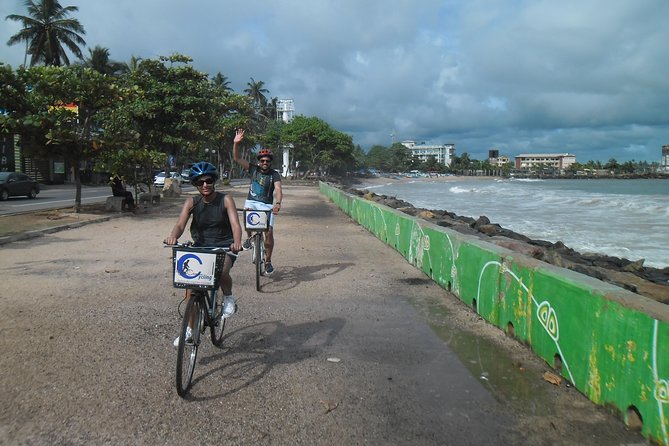
The tour gives you a choice between a manual bike and a retro e-bike, plus helmet and safety vest. That “retro” detail matters: you’re not expected to handle a sports scooter. You’re expected to ride a stable e-bike, and the operator requires that you’re competent at riding it.
Practical requirements based on the tour rules:
- Minimum height: 154 cm
- Minimum age: 14 years
- You should have moderate physical fitness for the ride
So which should you pick? If you want to enjoy the fort stops without feeling like you’re grinding through hills and street speeds, go e-bike. Reviews also highlight that the e-bikes tend to feel modern and comfortable, with good maintenance—so you’re not fighting a shaky bike while trying to take in a viewpoint.
If you’re confident on a manual bike and you want a more “hands-on” cycling feel, manual works too. The tradeoff is energy. You’ll still spend a lot of time stopping, so manual riders sometimes feel the ride less forgiving when you have to accelerate again for the next leg.
Stop-by-stop: how the route builds from waterfront to fort walls
This is a half-day style plan that’s typically 3 to 4 hours. You’ll move through seaside edges, then into the fortified old town area where the landmarks start stacking up.
Dewata village coast (Katugoda) and a quick seaside break
Early on, you pass through Katugoda, where there’s a coastal stretch at Dewata beach. The key detail here is the surf conditions: it’s described as a beach break with slow and calm waves and fewer sharp reef/rock hazards. If you like seeing how locals use a coastline, this is a useful contrast to the fort walls.
Galle Fort Clock Tower: a landmark with a date attached
A central stop is the Galle Fort Clock Tower (1882). Even if you’re not obsessed with clocks, this gives you orientation in Galle. It’s one of those reference points you can use to understand where you are inside the fort’s space.
Expect time here for photos and brief explanations rather than a long sit-down. The goal is to connect the landmark to the area’s layout and history.
The lighthouse area (1939): seeing the coast from the fort edge
Next, you’ll reach the Galle Lighthouse area (1939). The lighthouse isn’t just a pretty structure; it’s a coastal navigation piece. From the fort area you get a feel for how the coastline and fortifications work together—especially the relationship between ships coming in and the defenses around the waterline.
If you like viewpoints, this is one of the “slow down” moments where the ride turns into looking.
Inside the UNESCO Old Town: Dutch Fort and the churches that frame the story
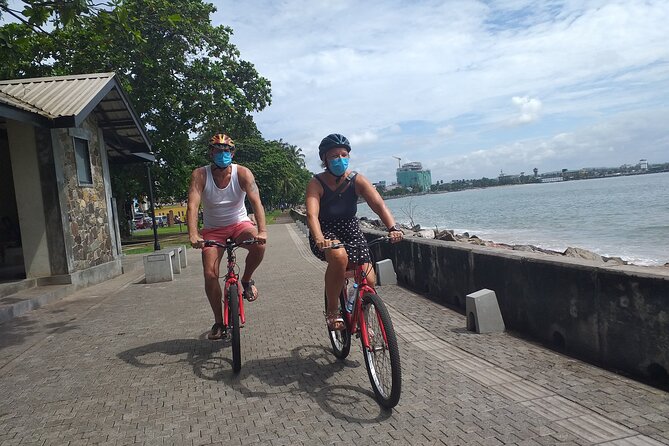
The heart of the day is the fortified portion. You’ll spend about 2 hours at Galle Dutch Fort, described as the largest remaining fortress in Asia built by European occupiers and a UNESCO World Heritage site.
This stop is where the tour earns its value. If you try to do the fort alone, you can easily walk past the most meaningful corners because you don’t yet know what to look for. With a guide, you start recognizing patterns: how the fort edge shapes movement, why certain buildings feel defensive, and how the Portuguese influence ties into the larger European story.
All Saints Anglican Church (1871)
Then you’ll step into the All Saints Anglican Church area (built in 1871). Churches here are more than religious landmarks—they’re part of the city’s colonial-era blueprint. You’ll get context without it turning into a lecture marathon.
Dutch Reformed Church with belfry (1707)
Next is the Dutch Reformed Church with its historic belfry dated 1707. Again, this is a “you see it, then it clicks” kind of stop. With guidance, you’ll understand how buildings reflect changing power and how the fort and city evolved together over time.
Flag Rock Bastion: the fort as communications
One of the more interesting stops is Flag Rock Bastion. The story tied to this spot is very practical: the flag-man posted there communicated with incoming ships that asked for a pilot. That detail changes the way you look at the area. It stops being scenery and becomes a working system—signals, guidance, and safe arrival.
It’s also a great pause point because you usually get fresh air and a better view of the coast.
Dutch Hospital Shopping Precinct: where old stone meets everyday life
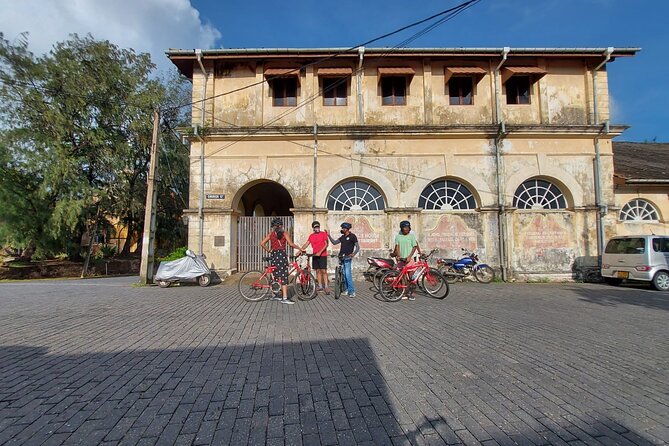
The tour also includes the Dutch Hospital Shopping Precinct (Dutch Hospital). This is where you see how parts of the fort-era infrastructure shift into modern use.
This stop is short—think of it as a breather and a chance to pick up small items—so don’t expect a full shopping spree. But it adds a real-world layer: Galle Fort isn’t frozen in time. People live, trade, snack, and wander here too.
And this lines up with what many guests love most: seeing the fort and the city outside the fort walls. You get the admin/city feel of Galle along with the fortress icons, which helps the UNESCO site make more sense.
Snacks, refreshment breaks, and local flavors you can actually use
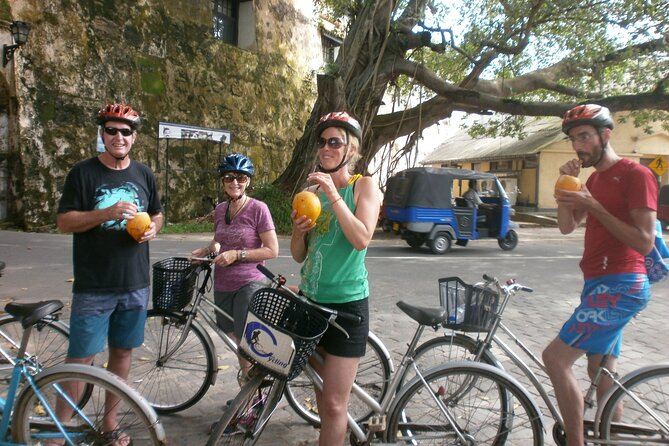
You’ll get snacks, bottled water, and refreshments included. That’s practical in Sri Lanka’s heat. It also keeps the tour from turning into just “walk, look, repeat.”
One reason people rate this tour so highly is that the food element feels local, not random. There’s mention of opportunities to try local food and cinnamon tea, along with snacks sourced during the route. So you’re not just sightseeing—you’re getting a small taste of daily culture while someone explains what you’re seeing.
If you have dietary needs, the safest move is to ask ahead of time. The tour data guarantees snacks and water, but it doesn’t spell out meal-level customization.
Traffic and comfort: why the guide’s role is more than commentary
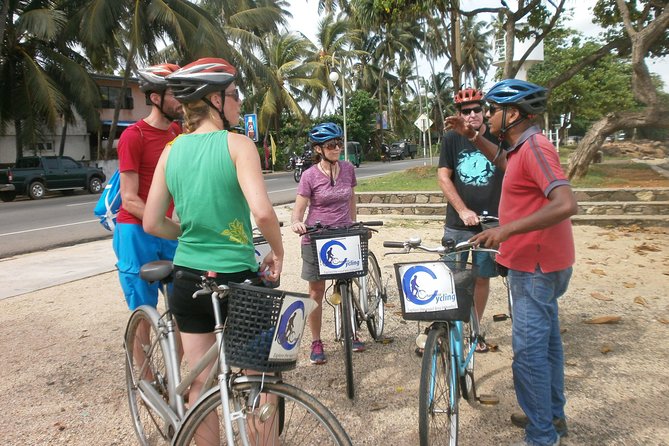
Galle is a real city, and like many places in Sri Lanka, traffic can be intense. The positive pattern in feedback is clear: the guide and team help you feel safe while riding through busy areas.
That matters because the tour isn’t only about history. It’s also about managing movement. When the guide sets pace, chooses when to stop, and keeps the group together, you can focus on the sights instead of scanning for each car.
On e-bikes, comfort matters too. Reviews specifically mention the bikes feeling well maintained and comfortable, which is huge because a tired rider makes every stop less enjoyable.
Price and value: what you get for around $50
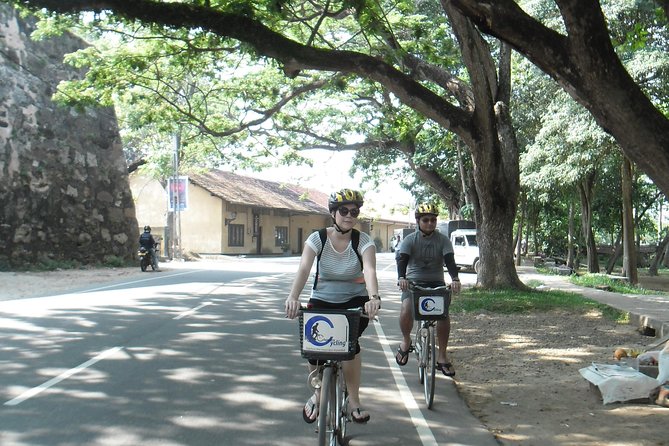
The listed price is $50 per person for a 3 to 4 hour guided cycling tour in Galle, and it includes a lot of the stuff that usually adds cost on your own:
- Bike rental (e-bike or manual)
- Helmet and safety vest
- Local guide
- Snacks
- Bottled water and refreshments
- Admission tickets for multiple stops (clock tower and several fort/church/bastion areas)
That’s the value equation. You’re paying for guided routing through key sights, plus the effort of not having to figure out tickets and timing yourself.
One more value note: some people compare booking channels and bike types. The price you see can shift depending on whether you’re on a push/manual bike or a more advanced e-bike model elsewhere. So I’d sanity-check the current deal on the bike you plan to ride, not just the headline number.
Also, this tour is cheaper than doing a private car for the same number of stops, and it’s more flexible than a bus if you want to actually look at details.
Who this Galle Fort bike tour suits best
This tour fits best if you want:
- A guided way to see UNESCO Old Town of Galle
- The fortress landmarks plus everyday city stops
- An easier pace with e-bikes, or a moderate challenge with manual bikes
- Short, meaningful stops rather than long museum-style hours
It’s especially good for couples and friends who want to move together without the hassle of driving, and for visitors staying near Unawatuna who want a half-day plan that doesn’t feel like a checklist.
If you hate stopping for explanations or you want a long cycling workout, you might find it too talk-heavy. The tour is built around learning and looking, not covering maximum distance.
Should you book the Galle Fort and City Cycling Tour?
If your goal is to understand Galle Fort (not just photograph it), I’d book this. The structure does what it should: it gets you from waterfront and city edges into the fort zone, then back out into the modern life of Galle. The guide-led pacing plus the safety setup make it feel manageable even with traffic around you.
Skip it only if you strongly prefer long stretches of riding with few stops, or if you don’t want to spend time learning while you travel.
FAQ
Do I choose between an e-bike and a manual bike?
Yes. You can select an E-Bike or Manual bike rental as part of the tour, and the tour provides the helmet and safety vest.
How early should I arrive for the tour?
You should arrive 20–30 minutes before the tour starts. At the beginning, there’s disclaimer paperwork and about 10 minutes of supervised e-bike training.
What’s the duration of the Galle Fort cycling tour?
The tour is about 3 to 4 hours.
Is this a private tour?
Yes. It’s a private tour/activity, with a maximum of 6 travelers.
Are entrance tickets included?
Tickets are included for several stops such as the Galle Fort Clock Tower and Galle Dutch Fort, along with other listed landmarks and churches on the route.
What’s not included in the price?
Meals and hotel pickup/drop-off are not included.
What are the height and age requirements?
Riders must be at least 154 cm tall and legally at least 14 years old to ride the retro e-bike.
Can I cancel for free?
Yes. Free cancellation is available up to 24 hours in advance for a full refund. If you cancel less than 24 hours before the start time, the amount paid is not refunded.