REVIEW · HANOI
Explore Hanoi Old City By Cycling Tour With Small Groups
Book on GetYourGuide →Operated by Go Asia Travel · Bookable on GetYourGuide
Hanoi by bike works because the city teaches you fast. This half-day ride mixes big landmark viewpoints with quiet lanes near West Lake, then swaps the traffic roar for Banana Island calm. I like the way you get a real feel for how Hanoi flows on a city bike, and I love the stop for egg coffee plus the mix of food like bun cha/pho bo/banh mi. The only real catch is that you are riding in live street traffic, so you’ll want to listen closely to the safety briefing.
A big part of the value here is the human factor. Guides like Andy, Nam, Amy, and even guides such as Tea and Rio bring the story of the city to your pace, not just a list of sights. And when rain showed up for some days, the team adjusted the route so you still got a full experience.
In This Review
- Key things to know before you pedal
- From 24 Hoi Vu to the first lane: the safety briefing that matters
- West Lake edges: starting in green calm before the Old Quarter rush
- Trần Quốc Pagoda and the lakeside feel: why this stop works
- Banana Island and the Red River Delta: the quiet payoff
- B52 Lake and Ba Đình Square: learning the 20th-century layer
- Hanoi Citadel and the Flag Tower area: seeing fortifications in context
- Train Street and old heritage buildings: the city’s “unexpected” rhythm
- Egg coffee and local tastings: the break that feels like a lesson
- Guides and the human touch: how Andy, Nam, and Amy change the day
- Bike quality and physical comfort: what to watch for
- Price and value: why $29 can be a good deal (and when it isn’t)
- Who this Hanoi cycling tour is best for
- Should you book it
- FAQ
- How long is the Hanoi Old City by cycling tour?
- What time does the tour start?
- Where do we meet and where does the tour end?
- What is included in the tour price?
- What food or drinks should I expect during the tour?
- Can I go inside the Ho Chi Minh Mausoleum complex?
- Is this tour suitable for wheelchair users?
- What should I bring?
- Are strollers or drones allowed?
- How does cancellation work?
Key things to know before you pedal
- Small-group pacing: you’re not stuck floating behind a bus tour crowd.
- Safety coaching for Hanoi traffic: you’ll learn how to move with the flow, not against it.
- Red River Delta scenery: Banana Island paths and vegetable gardens right in the middle of the city plan.
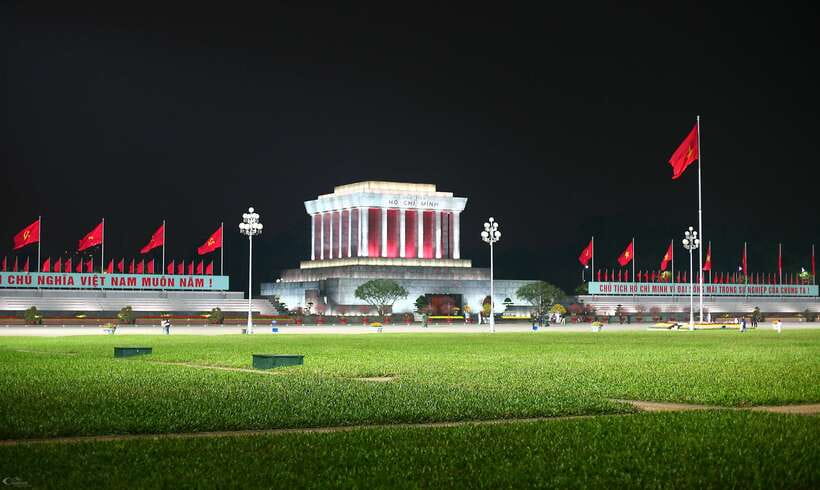
- Iconic checkpoints on the route: B52 Lake, Ba Dinh Square, and views around Ho Chi Minh’s mausoleum area (from the outside).
- Food stop built into the tour: egg coffee, plus chances to taste local favorites like bun cha/pho bo/banh mi.
- Classic Hanoi textures: lakeside areas, church/gates, and the old train railway stretch with heritage buildings.
From 24 Hoi Vu to the first lane: the safety briefing that matters

Your tour starts at 24 Hoi Vu street, where you meet up, check your city bike, and get a short briefing focused on safety and how to ride through Hanoi. This is not a casual “cruise and coast” setup. Hanoi traffic is its own system, and the guide’s job is to help you plug into that system without panic.
I like that the tour doesn’t pretend the streets are easy. Instead, it teaches you how to handle intersections and moving between vehicles. One rider even described how crossing the road went from daunting to manageable after the instruction. That alone is a win if Hanoi traffic is what scares you most.
Practical tip: comfortable shoes matter here. You’ll be stopping, lining up, and walking short stretches too. Also, you can’t bring baby strollers (and drones are not allowed), so plan your day accordingly if you’re traveling with kids.
You can also read our reviews of more tours and experiences in Hanoi.



West Lake edges: starting in green calm before the Old Quarter rush
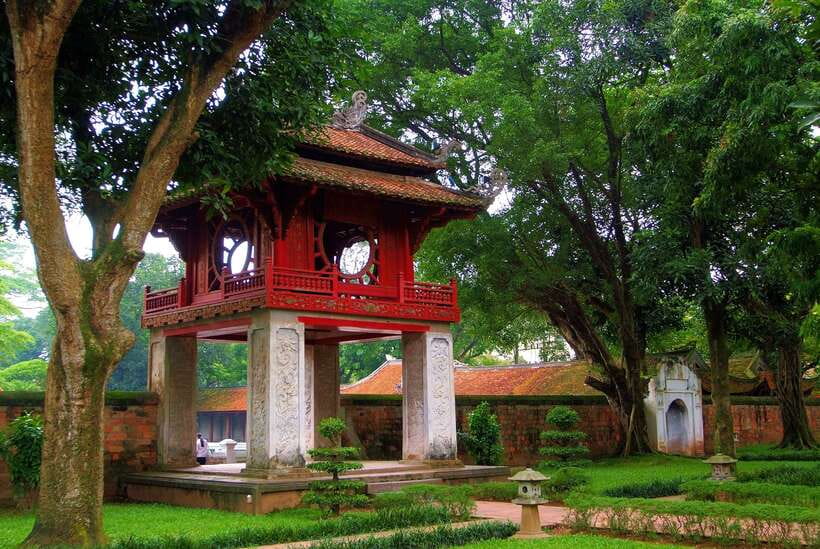
After the briefing, the ride begins on treelined streets around the West Lake area. This is a smart way to start. Your body warms up on easier routes, and your brain gets used to the rhythm before you meet the denser Old City zones.
You’ll pass through a calm pocket that feels surprisingly close to everything. From here the tour moves toward Trúc Bạch Lake and Trần Quốc Pagoda, with stops that help you shift gears from riding to looking. Even if you’ve only seen photos of Hanoi’s lakes, being there in motion changes the feel. The water and tree lines give you an easy reset after you’ve spent time inside noisy streets.
This part also sets up a core theme of the day: you’re seeing Hanoi as layers. Lakes and temples sit next to old architecture, and the city’s story isn’t limited to museums.
Trần Quốc Pagoda and the lakeside feel: why this stop works

Tran Quoc Pagoda is more than a landmark you point at. It’s a historic spiritual site that frames the lake landscape. The tour’s timing and route make it practical: you can experience the setting without the long slog of getting there on your own, and your guide can connect what you’re seeing to the broader city story.
And because you’re cycling, you get a sense of spacing. Hanoi isn’t one giant straight line of sights. It’s many small areas that connect like puzzle pieces. This pagoda-and-lakes stretch helps you feel that map in your legs.
Banana Island and the Red River Delta: the quiet payoff
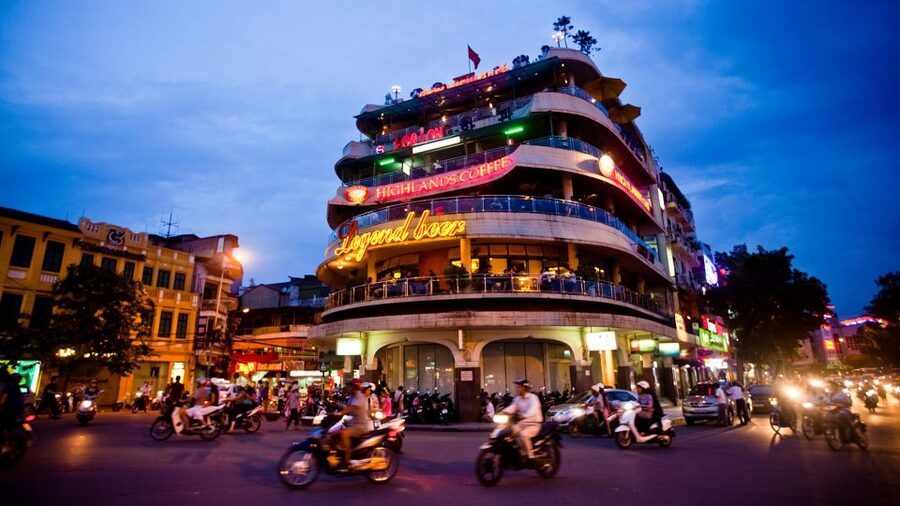
Then the tour turns into something most visitors don’t manage on foot: narrow paths through banana plantations and vegetable gardens on Banana Island. This is where the experience really earns its keep.
You’re still in Hanoi, but the change is dramatic. Expect fresher air, fewer cars, and a slower pace where your attention goes to textures—leafy rows, garden paths, and the feel of the Red River Delta land. The ride through these lanes is also a change in cycling comfort. You’re often away from the densest traffic patterns, so it’s easier to relax.
For photographers, this area gives you more than one angle. You’ll have space for wide views and close details. For first-timers, it also answers a question you might have: how does this giant city relate to farmland? On this tour, the answer is literally under your wheels.
B52 Lake and Ba Đình Square: learning the 20th-century layer
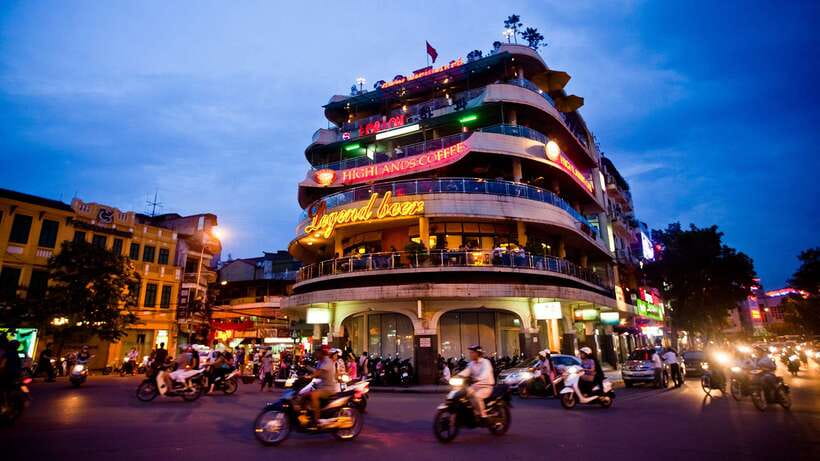
After the countryside break, the tour brings you back toward major historical checkpoints.
You’ll pass B52 Lake, and you’ll also see Ba Đình Square with its older French-era buildings. Those architecture contrasts are useful in understanding Hanoi’s timeline. The city didn’t develop in one direction; it absorbed influences and then reshaped them.
The route also takes you past the Ho Chi Minh Mausoleum area, but you’ll only stand outside for photos and viewing. You do not go inside the complex. This matters for expectations: plan for photos, not a museum-style visit inside the grounds.
Why this segment is valuable: it’s not just monuments on a list. Your guide’s “Hanoi story” framing helps you connect political history to the geography you’re riding through. And when you’re cycling past the landmarks, you get a sense of how close many of these big sites are to each other.




Hanoi Citadel and the Flag Tower area: seeing fortifications in context
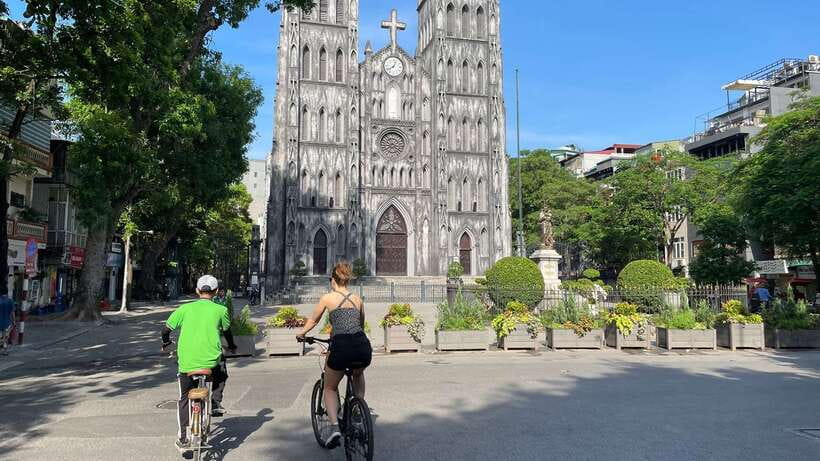
Next comes time near the Hanoi Citadel area, with historic exhibits and views connected to the city’s military past. You’ll be able to see things like the Hanoi Flag Tower and the surrounding military base area.
Fortifications are one of those things that feel hard to picture until you’re actually there. On a bike route, you don’t just reach the spot—you approach it. That means you can judge scale better and notice transitions: what changes in the streets when you move from civic areas to defended ones.
If you like history but hate museum fatigue, this is a good format. You get outdoor context with a guide, and you’re not stuck indoors longer than you want.
Train Street and old heritage buildings: the city’s “unexpected” rhythm
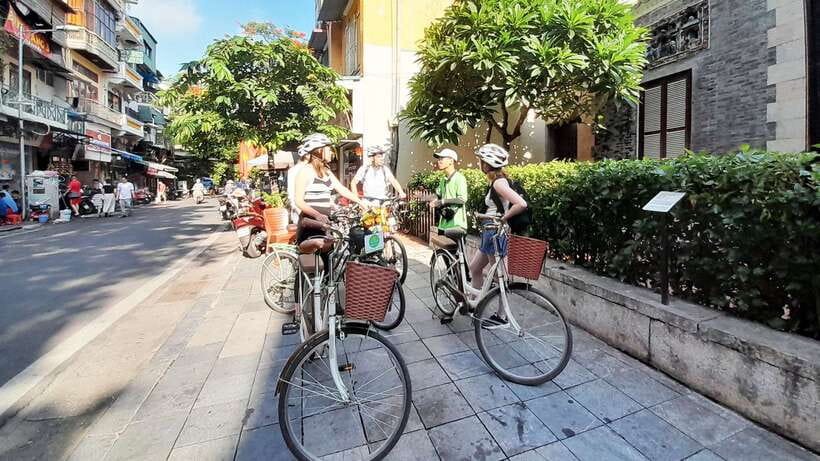
One of Hanoi’s most talked-about spots is the old train railway, sometimes called Train Street. On this tour, you ride through this zone as part of the broader Old City pattern, not as a single photo sprint.
The appeal is the contrast. You’ll see how a working, tightly built urban space can include old heritage structures and still feel like a real neighborhood. Just keep in mind that you’re on a bicycle—so the guide will manage your timing and movement through busier areas.
If you’re wondering whether cycling lets you experience Hanoi street life better than walking, this is the proof point. You’re able to cover the area’s feel while still having time for the food and coffee stops later.
Egg coffee and local tastings: the break that feels like a lesson
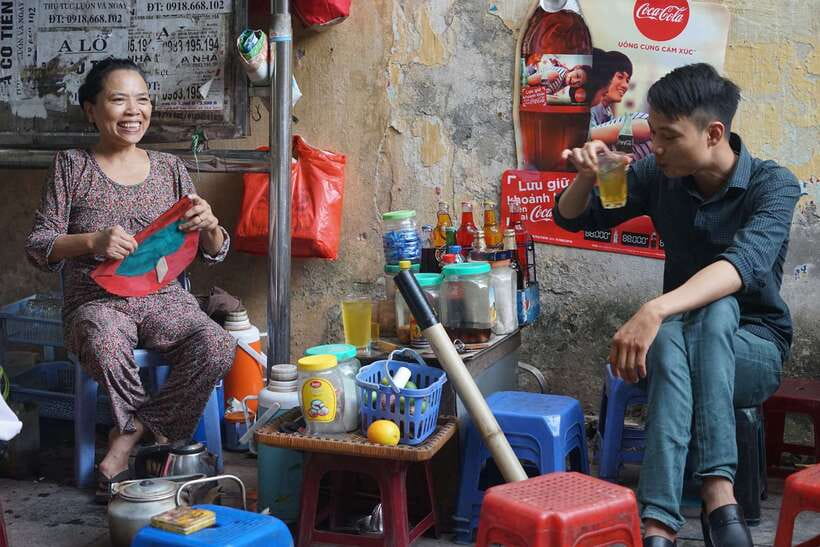
By the end of the ride, you’ll stop for egg coffee at a popular café. This is one of the best payoff moments because it’s both food and culture in one.
The idea behind egg coffee is simple but unforgettable: rich, foamy, sweet, and often stronger than you expect. It’s also a Hanoi signature you can’t really fake with convenience-store coffee. Even if you’re not a big coffee drinker, this one tends to win people over.
Along the way, you’ll also have tasting opportunities for local favorites like bun cha, pho bo, and banh mi. That makes the tour feel less like sightseeing on a schedule and more like you’re sampling the everyday city diet.
A tip: go slow with the coffee if you’re still riding afterward in traffic-heavy zones. Egg coffee is thick and sweet. One cup can hit harder than you think.
Guides and the human touch: how Andy, Nam, and Amy change the day
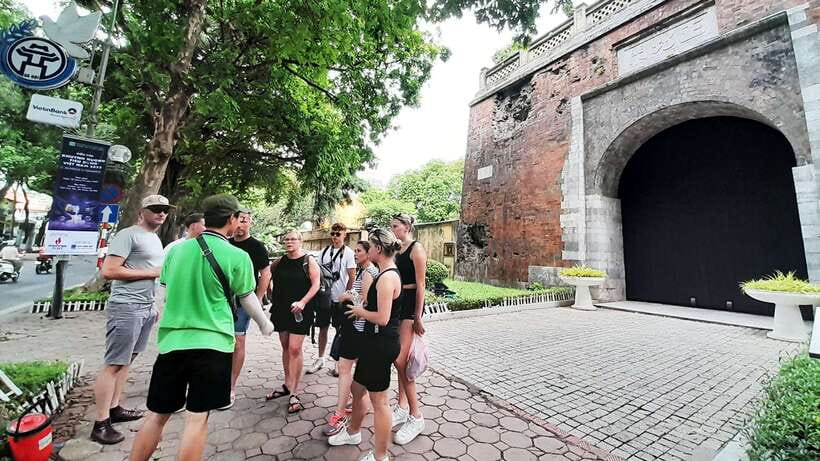
This type of tour lives or dies by the guide. The consistent theme from guide names you may see in the tour experience is that they’re not just moving you between stops—they’re explaining what you’re looking at and how the city works.
People have specifically highlighted guides such as Andy, Nam, and Amy for good English and for connecting history and culture to what you see outside. There’s also mention of routes adjusted during rain, which is a real-world advantage. Hanoi weather can change fast, and having a guide handle that is part of the comfort of booking a small-group tour instead of trying to wing it.
If you like asking questions, this format is friendly to that. You’re not silent behind a headset; you’re close enough to hear and understand answers.
Bike quality and physical comfort: what to watch for
Most of the ride experience depends on how the bike feels. Many people noted the bikes were in good condition and comfortable. Still, one review flagged that the bikes could use better servicing, and that made the ride feel uncomfortable for part of the time.
So here’s the practical takeaway: when you meet at 24 Hoi Vu street, do a quick check of brakes and tires before you set off. If something feels off, tell the staff right away. The tour is short, so there’s time to fix small issues before they become annoying.
Also, the ride is not described as wheelchair-friendly, so if mobility is an issue, you’ll want to think carefully. And because there are rules against strollers, it’s not built for pushing kids in a wagon.
Price and value: why $29 can be a good deal (and when it isn’t)
The price is listed at $29 per person for a half-day. On paper, that’s reasonable for a guided city cycling tour, but the real question is what you get for it.
You’re getting:
- an English-speaking guide
- one bottle of water
- a city bike
- entrance fees plus a bike park fee
- egg coffee included, with local tastings like bun cha/pho bo/banh mi
- the guide’s route planning and safety instructions for Hanoi traffic
That’s a lot bundled together. Where it can shift for your budget is that government tax (10%) and any single supplement ($7) for solo travelers are not included. So your effective total may be a bit higher than the headline price.
When is it worth it most? If you want to cover West Lake, Old City zones, key historical sites, and a countryside-style Banana Island break in one compact half-day, this format can save time and hassle. If you’d rather move slowly on your own and already know how you’ll handle traffic, then it may feel pricey for what you’d do anyway.
Who this Hanoi cycling tour is best for
This tour is a strong fit if you:
- want a half-day plan that mixes big sights with local food
- feel nervous about Hanoi traffic and want guided safety coaching
- enjoy contrast: lakeside calm, then Banana Island, then back to historical landmarks
- like learning from a guide who talks through the city story as you ride
It may not be the best fit if you:
- have a hard time riding in active street conditions
- need wheelchair accessibility (not suitable based on provided info)
- rely on a stroller or baby carriage (not allowed)
- plan to use a drone (not allowed)
Should you book it
I’d book this Hanoi cycling tour if you want a compact, local-feeling way to see more than just the main tourist blocks. The pairing of lakeside sights, historical checkpoints, and the Banana Island break is the main reason. You get perspective changes in one day—traffic life, temple-and-lake calm, and then farmland lanes.
I’d think twice if you’re uncomfortable with street cycling and you prefer fully pedestrian routes. Also check your comfort with bike riding before you go, especially if bike maintenance quality matters to you.
If you’re aiming for value, this tour looks strong: guided bike time, entrances, coffee, and tastings are folded into the package. When you also factor in safety guidance for Hanoi traffic, the price starts to make sense fast.
FAQ
How long is the Hanoi Old City by cycling tour?
It’s a half-day cycling experience.
What time does the tour start?
There are two start times: 8:00 am or 13:00 pm.
Where do we meet and where does the tour end?
You gather at 24 Hoi Vu street to check the bike and get the safety briefing, and the tour ends back at the same meeting point.
What is included in the tour price?
Included are an English-speaking guide, 1 complimentary bottle of water per person, egg coffee/local home-made coffee, a city bike, entrance fees, and a bike park fee.
What food or drinks should I expect during the tour?
You can expect egg coffee, plus tastings such as bun cha/pho bo/banh mi as part of the experience. Drinks are not listed as included.
Can I go inside the Ho Chi Minh Mausoleum complex?
You only stand outside to watch and take photos. You do not go inside.
Is this tour suitable for wheelchair users?
No. It’s not suitable for wheelchair users based on the provided information.
What should I bring?
Wear comfortable shoes.
Are strollers or drones allowed?
No strollers, baby carriages, or drones are allowed.
How does cancellation work?
You can cancel up to 24 hours in advance for a full refund.