REVIEW · HANOI
Cycling Through Hanoi: Old Quarter Pagodas & Red River Delta
Book on GetYourGuide →Operated by HTB · Bookable on GetYourGuide
You don’t come to Hanoi for slow sightseeing. You come for motion, noise, and surprise, and this bike ride gives you the city’s layers in just 3.5 hours. I especially like the mix of Old Quarter street life with quieter lakeside stops that reset your senses fast.
I also like how the route threads together the postcard stops and the everyday places. You get famous sights like Train Street and Long Bien Bridge, then you keep going into the Red River Delta where banana plantations and vegetable gardens replace the motorbike hum.
One thing to plan for: it’s a real cycling tour through traffic and uneven streets. If you’re sensitive to road noise or you don’t feel comfortable pedaling for a few hours, you may find it more intense than a pure walking tour.
In This Review
- Key highlights worth your attention
- A 3.5-hour Hanoi bike route that swaps scenes fast
- Meeting on Hang Buom: quick setup, then you’re rolling
- Train Street and the Old Quarter’s street-mural rhythm
- West Lake and Tran Quoc Pagoda: a calm reset on two wheels
- Truc Bach to B52 Lake: lakeside calm with wartime memory
- Long Bien Bridge and the Old Train Railway vibe
- Into the Red River Delta: banana plantations and vegetable gardens
- Giang Café egg coffee: a finish that feels like Hanoi
- What you pay ($64) and why it feels fair
- Who should book this Hanoi cycling tour
- Should you book it for your Hanoi time?
- FAQ
- What’s included in the $64 price?
- Where do I meet, and how do I get the bikes?
- How long is the tour, and when does it run?
- What if the Ho Chi Minh Mausoleum is closed?
- Is egg coffee included, and can I also get other food?
- Is this tour suitable for kids or wheelchair users?
Key highlights worth your attention
- Train Street by bike: you see how a narrow rail line shapes daily life in the Old Quarter
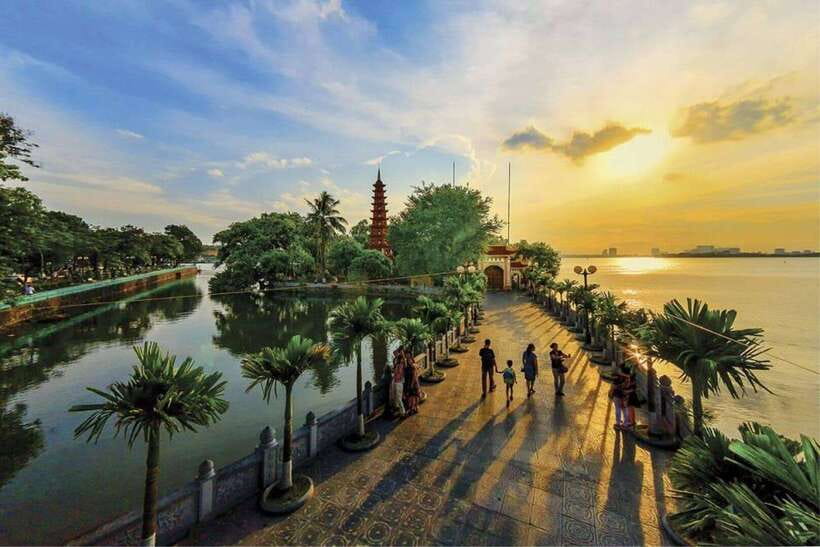
- West Lake and Tran Quoc Pagoda: a peaceful pause near one of Hanoi’s oldest temples
- Long Bien Bridge ride: a big visual change as the city opens up around you
- B52 Lake and lakeside areas: you mix calm water views with Vietnam’s wartime memory
- Banana plantations near the Red River Delta: real countryside scenery just outside the city
A 3.5-hour Hanoi bike route that swaps scenes fast
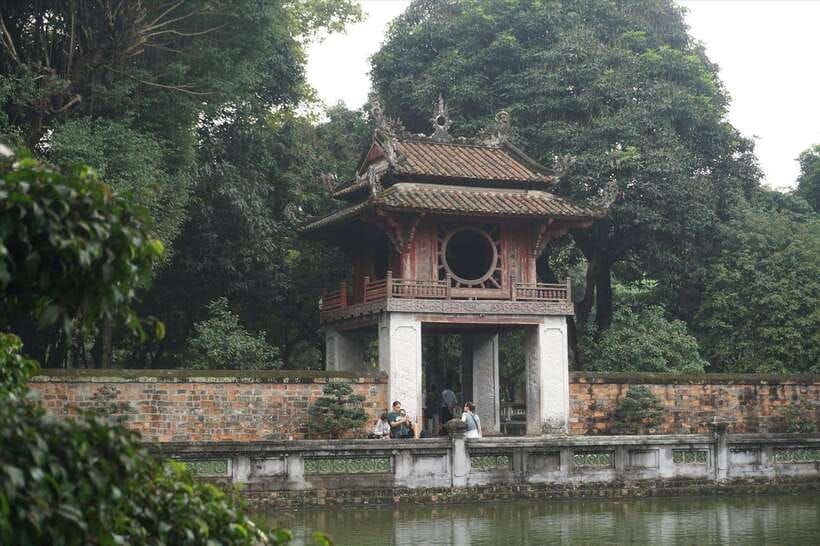
This half-day cycle is built around contrasts: city chaos to lakeside quiet, then out to the Red River Delta’s agricultural calm. In a single outing, you’ll move from tight Old Quarter lanes to open paths where banana trees and garden rows show up.
The pacing works well if you want more than checklist landmarks. You’re riding through neighborhoods at human speed, so you notice details you’d usually miss standing still—things like wall textures, street murals, and the way people move around local shops.
The tour lasts 3.5 hours, and it runs either 7:45 AM or 1:15 PM (afternoon start). The group is kept small (up to 15 people), which matters because fewer riders means more patience at stops and less clogging up footpaths.
You can also read our reviews of more tours and experiences in Hanoi.


Meeting on Hang Buom: quick setup, then you’re rolling
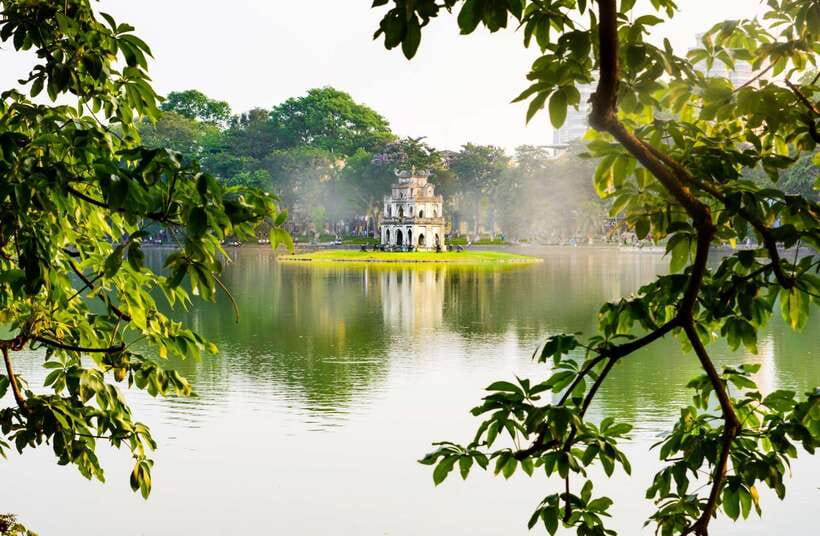
You’ll meet at 41 Luong Van Can Street, where the team helps you get to the bike parking spot at 24 Hang Buom Street. Plan on a short safety briefing and bike check before you head into traffic.
That early check is more important than it sounds. Hanoi streets demand confidence, and a good bike setup makes the rest feel smoother—especially when you’re going from sidewalks to crossing points and back again.
You also get an English-speaking guide, and that’s the main difference between “rent a bike and figure it out” and a structured ride. Your guide helps connect what you see to what it means, whether that’s French colonial-era architecture you pass by or the story behind memorial sites.
Train Street and the Old Quarter’s street-mural rhythm
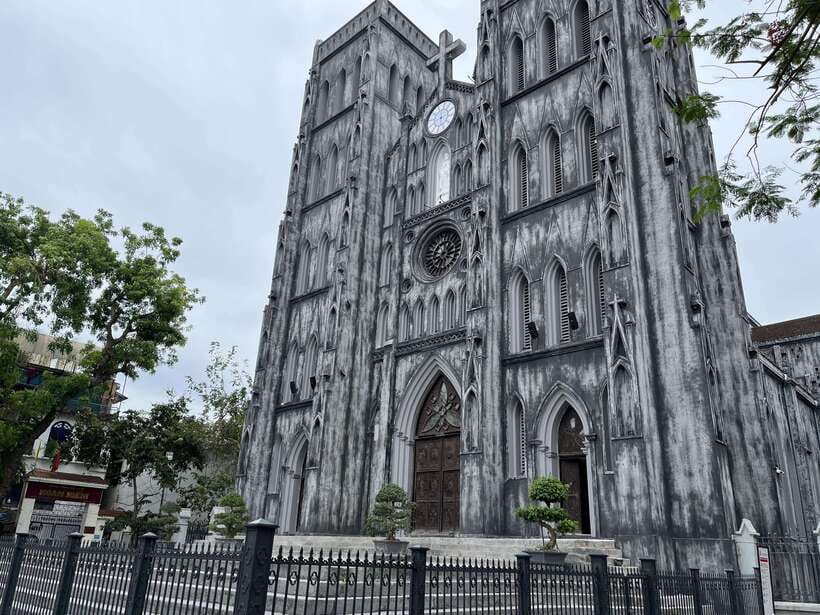
The start leans hard into the Old Quarter’s personality. You ride through colorful street murals and right into the flow around Train Street, one of Hanoi’s most famous and immediately recognizable scenes.
This is one of those places where the setting changes everything. Standing at the tracks is one thing; seeing it from the angle of a bike path, watching how nearby streets function, and noticing the tiny space between everyday life and the railway is another.
As you pedal, you also catch glimpses of French colonial architecture and the narrow-street patterns that define this part of Hanoi. The Old Quarter isn’t just pretty buildings—it’s a working neighborhood where markets and shops keep moving.
What I’d watch for: keep your attention on your guide during the rail-area sections. Train Street can be busy, and your guide’s timing helps you avoid feeling rushed or stuck.
West Lake and Tran Quoc Pagoda: a calm reset on two wheels
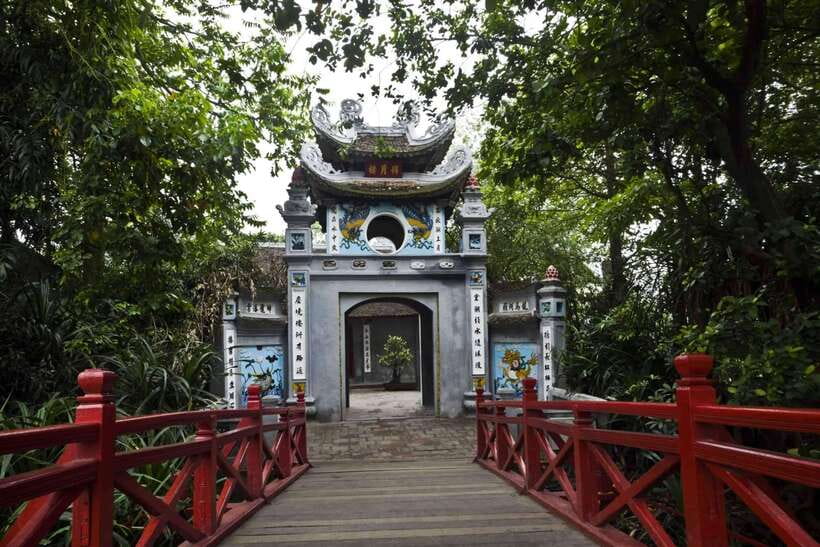
After the Old Quarter’s energy, the route shifts toward West Lake. You’ll breathe easier here because the streets open up and the water gives you a visual break from buildings.
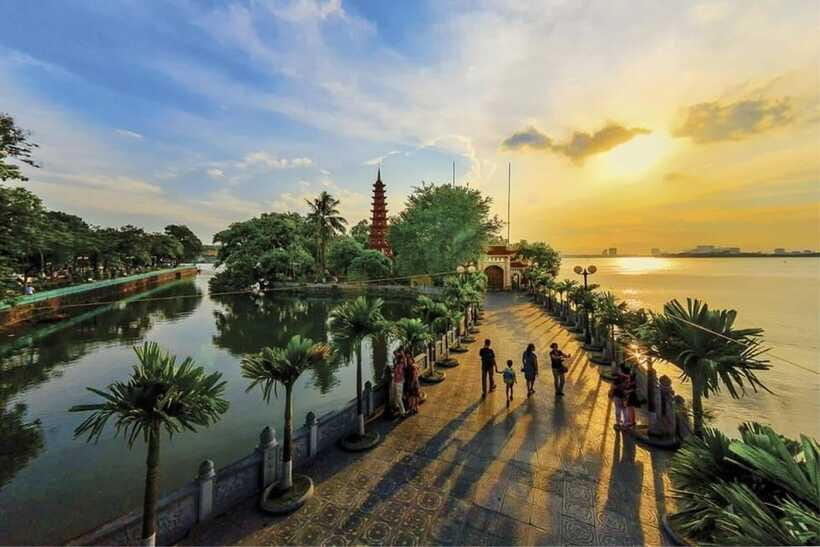
The highlight is Tran Quoc Pagoda, one of Hanoi’s oldest temples. Even if you’re not a serious pagoda fan, this stop works because it’s not thrown in as an afterthought. It’s positioned as a genuine pause in the ride, so you can slow your pace, look around, and take in the lakeside atmosphere.
You may also spend time around the Truc Bach Lake area, which sits close enough to the city center to feel connected to Hanoi’s daily life. It’s a nice “in-between” stop: quieter than the Old Quarter, but still clearly part of the city’s rhythm.
Practical tip: wear comfortable shoes and take a moment before you move on. After cycling in traffic, walking on pagoda grounds feels good—but you don’t want sore ankles to take the fun out.
Truc Bach to B52 Lake: lakeside calm with wartime memory
The tour doesn’t keep things purely scenic. From the lake areas, you continue toward B52 Lake, adding a layer of modern Vietnam’s history to the ride.
B52 Lake is one of those stops that makes the trip feel grounded. You get water views and a gentler pace, but you’re also reminded that Hanoi’s story isn’t only about culture and coffee—there’s wartime memory tied to the landscape.
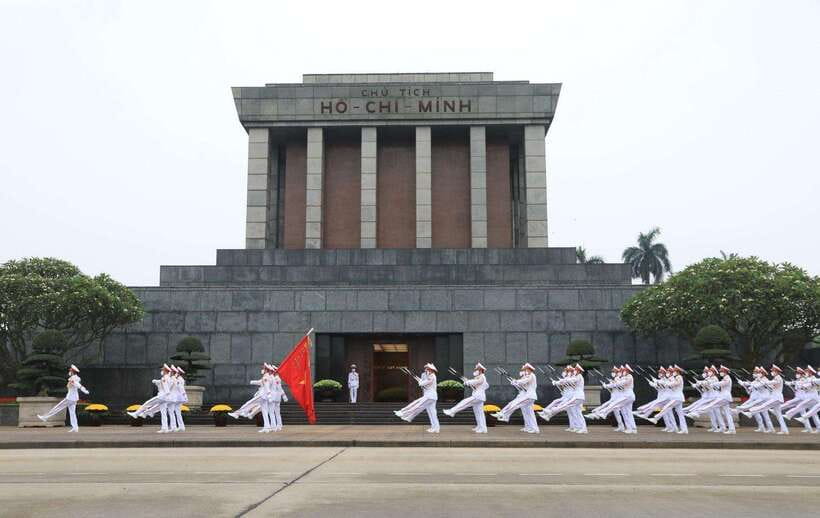
During this stretch, the route also passes by major landmarks. You may go by the Mausoleum of President Ho Chi Minh, the North Gate, and the iconic Old Train Railway area.
One important note: the Ho Chi Minh Mausoleum is closed on Mondays and Fridays. If your day falls on one of those closures, your guide should pivot to surrounding sites like the Presidential Palace, One Pillar Pagoda, and gardens. This flexibility means the tour still feels full, even when the main structure isn’t accessible.



Long Bien Bridge and the Old Train Railway vibe
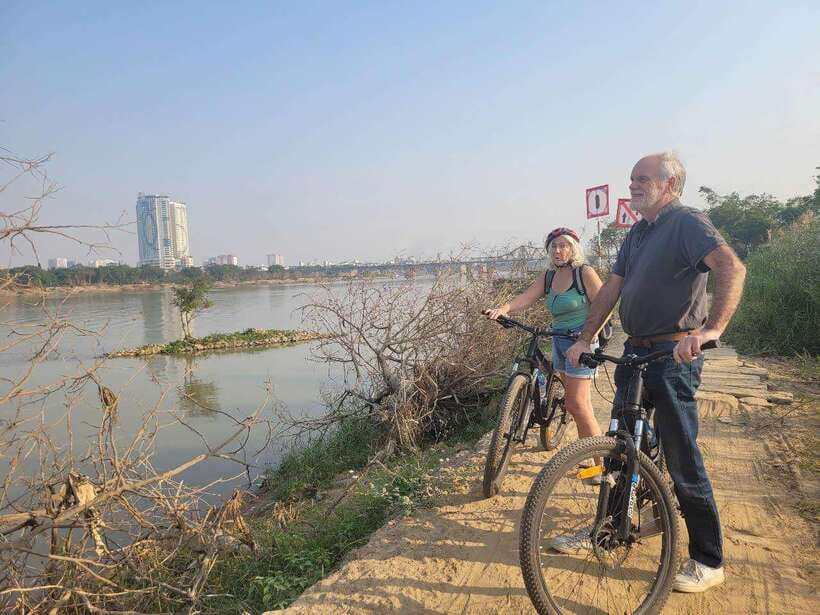
You’ll cycle along the Long Bien Bridge, which is a major “scale shift” moment. On one side, you’re inside Hanoi’s dense streets. On the other, you’re experiencing the bridge’s larger views—where the river and the city’s spread make everything feel bigger.
Long Bien isn’t just transportation. It’s a perspective changer. Riding it connects several parts of the story: Old Quarter density, the river corridor, and how the city grew along water routes.
You’ll also encounter the Old Train Railway area as part of the broader set of sights in this zone. That matters because Vietnam’s rail lines aren’t just background—they shape street plans and daily movement in noticeable ways.
If you’re taking photos, do it while you’re stopped or moving at a safe pace. Bikes and bridges don’t match the time you’d want for careful tripod-style shots, so aim for quick, well-timed captures.
Into the Red River Delta: banana plantations and vegetable gardens
This is where the tour earns its “change of scenery” reputation. After the city stops, you cycle through quieter paths that lead you into the Red River Delta countryside feel.
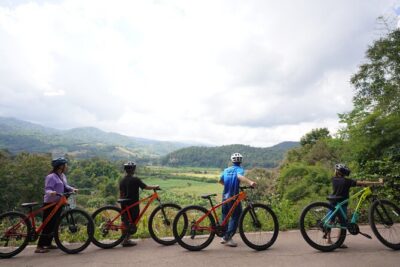
You’ll ride through areas with banana plantations and vegetable gardens, and that shift is the emotional heart of the experience. Hanoi can feel nonstop. Out here, you get a different tempo: slower visuals, softer sounds, and more space around you.
This countryside segment also makes the city stops more meaningful. When you’ve just seen farm rows and tree lines, the Old Quarter starts to feel like something built on a larger region, not a sealed-off bubble.
What to expect practically: the countryside parts can be a little bumpy depending on the road surface. That’s not a reason to skip the tour; it’s a reminder to wear shoes with grip and bring water like the tour includes.
Giang Café egg coffee: a finish that feels like Hanoi
The ride ends with a food-and-coffee payoff at Giang Café. You’ll get egg coffee or local home-made coffee, which is a great way to cap a cycling morning or afternoon.
Egg coffee has a specific comfort-food vibe. It’s sweet, creamy, and different from regular drip coffee—so you leave feeling like you had an experience, not just a snack.
Your guide can also take you to local Hanoi food like pho or bun cha if you want to add a meal. Lunch isn’t included, so you’d pay directly at the restaurant if you choose to go that route.
If you’re caffeine sensitive, consider pacing your sip. After cycling, it’s tempting to drink quickly, but the real win is savoring it while you regroup at the end of the ride.
What you pay ($64) and why it feels fair
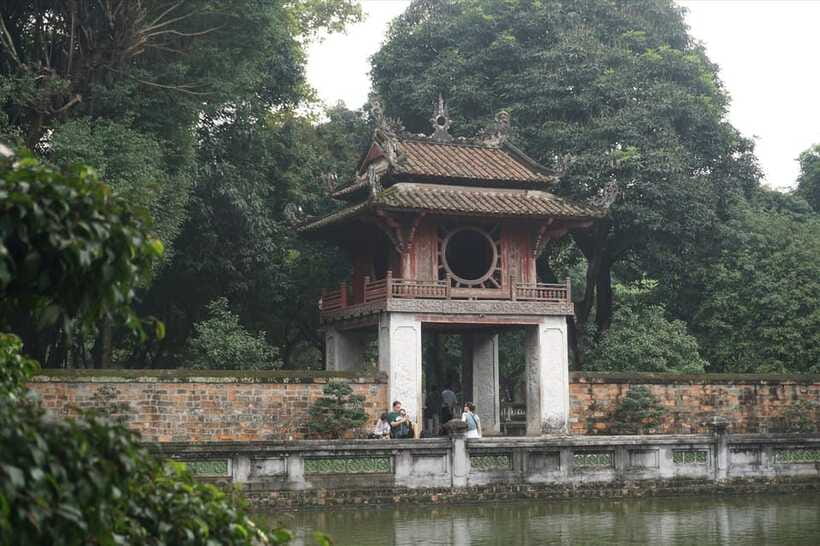
At $64 per person, this tour is priced like a guided city-and-countryside experience, not like a casual bike rental. You’re paying for more than wheels.
Here’s what your money covers:
- an English-speaking guide
- city bike rental
- entrance fees to the attractions
- bike parking fees
- travel insurance and taxes
- 1 bottle of water per person
- egg coffee or home-made coffee at Giang Café
That mix is what makes it feel like value. You’re not just moving through neighborhoods—you’re also paying entry costs for sights and getting guided context so stops feel connected.
What costs extra:
- Lunch (optional, paid directly)
- a holiday surcharge of 200,000 VND per person for select dates
- optional add-ons like a cyclo or water puppet show for $6 per person
If you compare this to doing the same route on your own, the biggest “value driver” is time saved. Hanoi is easier when someone local sets the flow and helps you avoid guessing at the best order of stops.
Who should book this Hanoi cycling tour
This is best for people who want a practical mix of classic sights and real neighborhood movement. If you enjoy seeing how everyday Hanoi works—how rail lines, lakes, and streets share space—you’ll likely love the way the route keeps changing scenery.
It’s also a good fit if you’re okay with some light physical effort. The tour isn’t marketed for walkers-only travel; you’ll be cycling through a variety of areas, including stretches out toward the Red River Delta.
It’s not suitable for:
- Wheelchair users
- people over 70
- people over 95
- children under set minimum ages, and the tour specifically lists not suitable for children under 2, 3, 4, 5, 6, 7, and 8 (so realistically, it’s aimed at older kids and adults)
- anyone who may need stroller-baby support (it lists babies under 1 as not suitable)
- alcohol-and-drug use is not allowed
Bring comfortable shoes and weather-appropriate clothing. Even in a short tour, Hanoi weather can change how enjoyable the ride feels.
Should you book it for your Hanoi time?
I’d book this if your Hanoi plan is short and you want one outing that gives you both city icons and a genuine countryside moment. The Old Quarter + Train Street + West Lake + Red River Delta combination is the reason it works: you’re not trading one type of sightseeing for another.
Skip it if you hate traffic noise, feel unsteady on a bike, or you’re traveling with someone who doesn’t handle road movement well. Also, if you’re only interested in one style of attraction—pure museum time or pure café time—this might feel like too much switching.
If your goal is to feel Hanoi in motion and see a softer side beyond the main streets, this tour is a strong choice. The coffee finish at Giang Café doesn’t hurt either.
FAQ
What’s included in the $64 price?
The price includes an English-speaking guide, a city bike rental, entrance fees to the attractions, bike parking fees, travel insurance and taxes, 1 bottle of water per person, and egg coffee or local home-made coffee at Giang Café. Lunch is not included.
Where do I meet, and how do I get the bikes?
You meet at 41 Luong Van Can Street. The team waits there to take you to the bike parking place at 24 Hang Buom Street before you start cycling.
How long is the tour, and when does it run?
The duration is 3.5 hours. The listed departure times are 7:45 AM and 1:15 PM. The exact end time for the afternoon slot should be confirmed when you book.
What if the Ho Chi Minh Mausoleum is closed?
The mausoleum is closed on Mondays and Fridays. If your tour falls on one of those days, the plan is to visit surrounding areas such as the Presidential Palace, One Pillar Pagoda, and gardens.
Is egg coffee included, and can I also get other food?
Yes, egg coffee or local home-made coffee at Giang Café is included. If you want more food like pho or bun cha, your guide can take you to a nearby restaurant, and you’d pay directly there.
Is this tour suitable for kids or wheelchair users?
No. It lists not suitable for wheelchair users, and it also lists multiple minimum age restrictions for children (including not suitable for children under 2 up through under 8). It’s also not suitable for people over 70, and people over 95.