Belgrade changes fast when you move by bike. This tour connects parks to real turning points in Serbian history, with short stops that make the big story feel human. I especially like the small group size (max four) and the way the guide ties what you might read in guidebooks to specific places. One drawback: you’ll want moderate fitness, because there can be some steeper streets even if the pace stays manageable.
You ride through the city’s layers: wartime memory, royal power, students and culture, and the Siege of Belgrade in the early 1800s. The tour is led by Slobodan, and the vibe is friendly and interactive, not lecture-y. You’ll also get a traditional Serbian beverage during the ride, which is a nice little bonus that makes the history feel local, not museum-only.
Practical note up front: it runs about 3 hours 30 minutes and starts at 4:00 pm, with the meeting point at Cvijićeva 134 (near public transportation). You’ll get a mobile ticket, and it’s offered in English. If the weather is poor, the experience can be rescheduled or refunded, so plan around the forecast.
In This Review
- Key Highlights to Know Before You Go
- Why Belgrade Feels Different on Two Wheels
- Meeting Slobodan at Cvijićeva 134 (and Getting Comfortable Fast)
- Liberators of Belgrade Memorial: WWII Memory Where You Can See It
- Jevremovac Botanical Garden: The City’s Green Classroom
- Kolarac and Studentski Park: Where Education Meets Big Architecture
- Pionirski Park and the Royal Palaces: Old and New Authority in One Area
- Tasmajdan Park: A Short Brake for Drinks and Breathing Room
- Manjež Park: City-Center History in a More Intimate Setting
- Karađorđev Park: Siege-of-Belgrade Stories with Real Place Meaning
- The $45 Value: Paying for Time, Bikes, and Storytelling That Connects
- Who Should Book This Bike Tour (and Who Might Not)
- Should You Book Cycling the Parks and Ride Through the Ages?
- FAQ
- How long is the bike tour?
- What does it cost?
- How big is the group?
- What language is the tour offered in?
- Where do I meet the tour?
- Is a ticket included or do I need to buy admissions?
- Do I need advanced fitness?
- What happens if the weather is bad?
Key Highlights to Know Before You Go
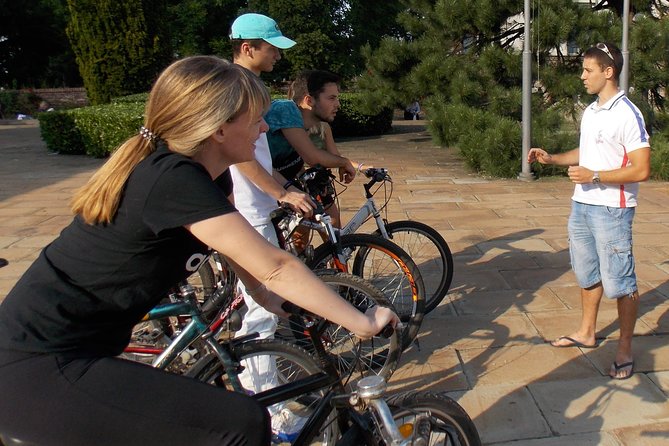
- Max 4 people means more attention, more questions, and less waiting around
- Park-to-park storytelling keeps the history moving instead of piling up
- Slobodan’s guided approach focuses on place-based stories, not just dates
- One paid admission included (Jevremovac Botanical Garden), while many other stops are free
- A traditional Serbian drink turns a sightseeing ride into something you actually taste
- Moderate fitness required due to a few steeper sections, though the bikes are set up for city riding
Why Belgrade Feels Different on Two Wheels
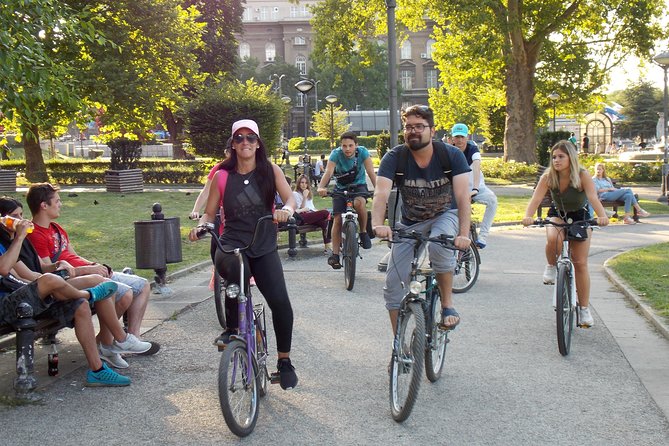
Walking can make a “history tour” feel like a checklist: stop, read, move on. Cycling changes that rhythm. You get a steady glide between parks and landmarks, so each stop lands with context instead of feeling random.
What I like most is how the route is built around open spaces—memorial gardens, botanical calm, student green, and royal-era parks. You’re not only seeing monuments; you’re seeing how Belgraders use the city’s outdoor rooms. That matters because the parks here aren’t just pretty backdrops. They’re stages where different eras left marks: wartime grief, education and culture, and the architecture of power.
The tour is also designed so you’re not trapped in a big group. With no more than four people, you can hear the guide clearly, and you’re more likely to get answers to your specific questions. It’s a big deal if you like history but also get tired of listening to one-way talking.
Yes, there’s a consideration. You’ll be on a bike for a few hours, and the route can include some steeper streets. The good news is that it’s described as manageable with the type of bike used for city rides. Still, if hills make you nervous, you’ll want to ride with confidence and choose a comfortable pace.
Meeting Slobodan at Cvijićeva 134 (and Getting Comfortable Fast)
You meet at Cvijićeva 134 and the tour returns there at the end. Starting at 4:00 pm is smart: the late afternoon light can make parks feel more inviting, and you’re not doing the ride at the peak of daytime heat.
The tour is near public transportation, so it’s easy to fold into a day of exploring without needing a taxi chain. You’ll also get a mobile ticket, which is handy if you’re bouncing between places and don’t want to manage paper.
The whole experience is built for an English-speaking group. If you want history explained clearly and in a conversational way, that’s the format here. Slobodan runs it with a welcoming tone, and he tends to keep the tour interactive—so don’t be shy about asking how different periods link together.
One more practical point: you should have moderate physical fitness. That doesn’t mean you need to be a cyclist who rides for sport. It just means you’ll be happier if you can handle a few changes in grade and keep moving between short stops.
Liberators of Belgrade Memorial: WWII Memory Where You Can See It
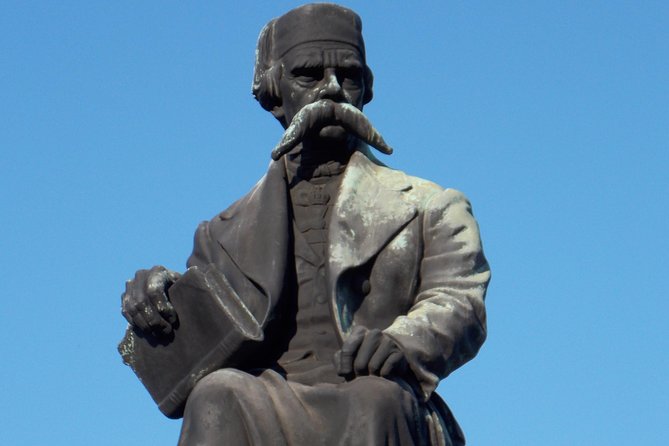
Your first stop is the Liberators of Belgrade Memorial, dedicated to soldiers who took part in the battles for the liberation of Belgrade during World War II. This is a strong opener because it sets the emotional tone right away. It’s not abstract history. It’s a memorial that asks you to slow down and pay attention to what was lost—and what it meant.
You spend about 15 minutes here. Admission is free, which makes this a low-friction start. More importantly, the guide uses this stop to introduce bigger themes you’ll keep seeing later: shifting power, national identity, and how Belgrade’s story gets told through public spaces.
A possible drawback: memorials can feel heavy if you prefer lighter sightseeing. But in my view, that’s also the point. Starting here makes the later stops—botanical beauty, royal palaces, and student parks—feel like parts of a single long story, not separate attractions.
Jevremovac Botanical Garden: The City’s Green Classroom
Next is Jevremovac Botanical Garden, the tour’s only botanical stop, and the only one with a ticket that’s included. You’ll have about 15 minutes to walk around and absorb the calmer side of Belgrade while the guide shares connected stories.
Why this stop works: it breaks the rhythm. Memorial first, nature second. That contrast helps you remember what you just heard. And gardens are a perfect setting for stories because they’re quiet, visual, and full of details—small things you can notice while listening.
The garden itself is described as the only botanical garden in Belgrade, and you’ll get a quick walk rather than a long entry-ticket stroll. That keeps the pacing comfortable for mixed fitness levels.
One consideration: because your time is short, don’t expect a full botanical deep dive. This is more about place and context than plant identification. If you love botany, you might want extra time on your own after the tour.
Kolarac and Studentski Park: Where Education Meets Big Architecture
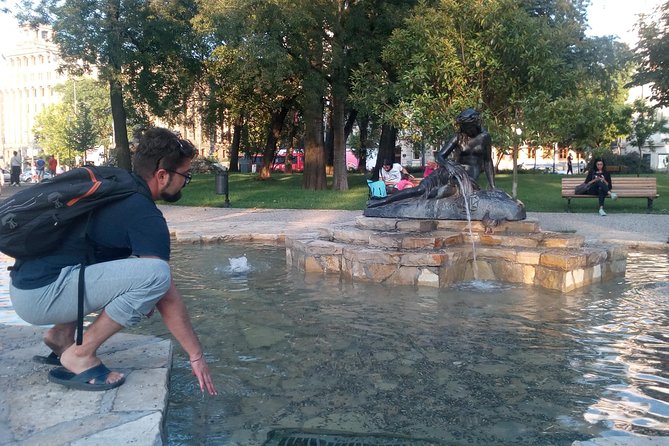
The third stop is Kolarac, set in the Studentski park area, where you’ll see important buildings with interesting history. You spend another 15 minutes, and admission is free.
This part of the ride turns your attention from national struggle to civic life. When you hear stories about students, institutions, and the city’s cultural centers, the parks suddenly feel like more than just leisure space. They become meeting points for ideas.
The guide’s job here is to help you connect what you see—streets, buildings, park edges—to how Belgrade functioned at different times. Even if you only catch glimpses between bike segments, the explanation helps you fill in the blanks.
A small trade-off: because the focus is on history and views from the bike, you’ll be observing from a few key angles rather than doing a long, slow photo walk. If you love photography, bring your patience and plan to take extra pictures afterward.
Pionirski Park and the Royal Palaces: Old and New Authority in One Area
Stop four is the Royal Palace area, in Pionirski park, where you can see the Old and New Royal Palaces. You get about 15 minutes and admission is free for this stop segment.
This is where Belgrade starts to look like a capital that wanted to show its strength. Royal palaces aren’t just impressive buildings; they’re symbols. The guide helps you understand how the idea of monarchy and state power shaped the city around it.
I like that this stop is paired with parks instead of isolated inside a ticketed monument. You get the palace setting plus the outdoor framing. That makes it easier to remember where things are in relation to each other for the rest of your stay.
Possible drawback: palace areas can involve more open space and more sun late afternoon. If you burn easily, bring something for quick shade or wear a hat.
Tasmajdan Park: A Short Brake for Drinks and Breathing Room
At Tasmajdan Park, you make a short stop for drinks. It’s only about 15 minutes, and admission is free here too.
This pause is more than a break. It resets your energy. After a stretch of history walking and biking, a quick drink stop helps you stay present for the next parks and stories. It also gives you a moment to take in the city without rushing.
If you’re the kind of traveler who gets distracted by details while riding, this stop is useful. It’s a mental reset that keeps the tour from turning into a blur of sights.
One consideration: the tour is dependent on good weather. On rainy or cold days, parks can feel less inviting, and your break might not feel as pleasant as on a clear afternoon.
Manjež Park: City-Center History in a More Intimate Setting
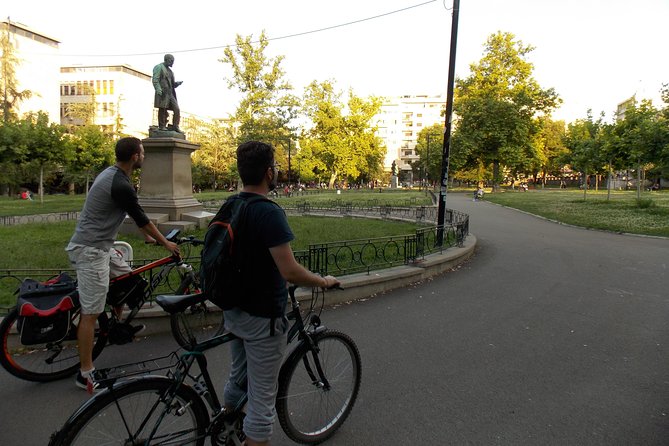
Stop six is Manjež Park, described as a nice central spot with a lot of history. You spend 15 minutes, and admission is free.
This is one of those places where the scale feels more human. Rather than making you focus on one huge monument, the setting encourages you to look around. The guide’s stories help you notice how city-center spaces hold history in plain sight—through street patterns, nearby landmarks, and the way different eras coexist.
I like that the tour keeps adding variety like this. It prevents the classic “same-same sightseeing” fatigue that can happen when history tours repeat the same tone at every stop.
Drawback to know: because it’s a city-center park, expect some everyday street life nearby. If you want total quiet, this isn’t the most secluded stop. Still, for many people, that’s part of the charm.
Karađorđev Park: Siege-of-Belgrade Stories with Real Place Meaning
The final stop is Karađorđev Park, where Karađorđe set up headquarters during the siege of Belgrade (1806–1807). You get about 15 minutes, and admission is free.
This is a great ending because it brings you into an earlier era, before the 20th-century WWII focus you started with. The guide uses this stop to show how Belgrade’s struggle over time wasn’t one single event—it was a repeated pattern of conflict, leadership, and survival.
What you’ll take away here is how geography and power connect. Headquarters needed access, movement, and control. The fact that this story is anchored in a park makes it easier to imagine the logistics and not just memorize a timeline.
If you’re short on energy by the end, this stop still works because it’s a focused segment. It’s not a long museum hour. It’s place-based storytelling that helps the whole tour click into a single narrative.
The $45 Value: Paying for Time, Bikes, and Storytelling That Connects
At $45 per person for about 3 hours 30 minutes, this tour is priced in a way that feels realistic for a guided bike experience. The main value isn’t just “you get to sit on a bike.” You’re paying for three things: a small-group guide, bike logistics suited to city riding, and a route stitched together by stories.
Many stops are free, and one ticket is included (Jevremovac Botanical Garden). That matters because you’re not constantly hunting for entrances or feeling nickel-and-dimed while your day is already planned.
You also get a traditional Serbian beverage during the tour. It’s a small line item, but it helps the experience feel local instead of purely sightseeing.
One more value point: the tour is aimed at people who want a first solid introduction to Belgrade. If you’re arriving with only a loose sense of the city, this kind of guided structure helps you orient fast—mentally and geographically—before you branch out on your own.
Who Should Book This Bike Tour (and Who Might Not)
This is a good fit if you:
- want an intro to Belgrade that’s more than random sightseeing
- like history told through specific places, not only big facts and dates
- enjoy bike rides but prefer a calmer pace with up to four people
- would appreciate a guide who makes the tour interactive and welcoming, like Slobodan
You might consider skipping or adjusting your plan if:
- you’re very sensitive to hills or city riding, even if the route is described as manageable
- you want long, slow time in museums or deep botanical detail (this tour is more about story stops than extended wandering)
If you’re a solo traveler, it’s also worth noting that the small group size can feel especially reassuring. And if you’re biking-curious but not sure about driving through traffic, a park-focused route can feel like the more comfortable entry point.
Should You Book Cycling the Parks and Ride Through the Ages?
If you want a Belgrade day that feels structured but not stiff, I’d book it. The combination of small group size, park-to-park pacing, and story-led stops makes it easy to learn without getting overloaded. You also get that rare mix of memorial tone, palace grandeur, and everyday green space—all on one ride.
Go for it if you like history but want it explained in a way that helps you picture the city. Skip it if you need very flat riding or want more free time inside attractions. For most people, though, this is one of the better ways to see Belgrade when you have limited time and want context that lasts after the tour ends.
FAQ
How long is the bike tour?
The tour runs for about 3 hours 30 minutes.
What does it cost?
It costs $45.00 per person.
How big is the group?
The group is limited to a maximum of four travelers.
What language is the tour offered in?
The tour is offered in English.
Where do I meet the tour?
Meet at Cvijićeva 134, Beograd, Serbia, and the tour ends back at the meeting point.
Is a ticket included or do I need to buy admissions?
You’ll have a mobile ticket. Admission is included for Jevremovac Botanical Garden, while several other stops are listed as free.
Do I need advanced fitness?
You should have a moderate physical fitness level. There can be some steeper streets, but it’s described as manageable.
What happens if the weather is bad?
This experience requires good weather. If it’s canceled due to poor weather, you’ll be offered a different date or a full refund.