REVIEW · TAKAMATSU
Art Island Naoshima BROMPTON Slow Cycling Tour
Book on Viator →Operated by BROMPTON SLOW CYCLING TOURS · Bookable on Viator
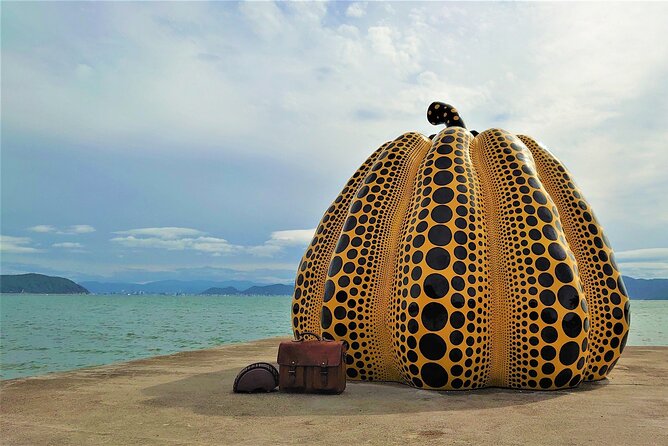
Naoshima is art with wheels. This tour pairs Brompton folding bikes with public transportation and ferry rides, so you get around the Setouchi Art Island without needing to be a confident cyclist. I love that the pace is truly slow, with a guide who supports you even if you are not very fit. You also get the practical thrill of watching the island symbol (that red pumpkin) show up right when you arrive.
One thing to consider: you are still riding a bike for several hours, and you’ll want good weather because the plan depends on it.
What I liked most is how the route mixes street-level art moments with major museum-worthy stops like Chichu Art Museum and Benesse House (both optional ticket add-ons). You’ll love the mix of back-alley wandering around Honmura and the sea-view finale on the ferry back to Takamatsu. A possible drawback is that the biggest museums are not included in the price, so your total cost can rise once you decide which tickets to add.
This is for you if you want a day that feels like exploring on purpose: photo stops, alley time, and museum time, all without wrestling with bike logistics alone. Small groups also matter here. The tour caps at 6 travelers, which makes it easier to keep things calm and consistent with a slow cycling plan.
In This Review
- Key Highlights Worth Planning For
- First, Know What Kind of Naoshima Day This Is
- Where You Start (Takamatsu Port) and How the Ferry Ride Fits In
- Brompton Bikes: Fun, Compact, and Built for a Slow Plan
- The Art Island Route: From Arrival to Honmura Lanes
- Stop 1: Akakabocha and the Power of Starting Strong
- Stop 2: Art House Project Area Time (and What It Means)
- The Big Museum Choices: Chichu Art Museum and Benesse House
- The Return Ride and Ferry Sunset on the Seto Inland Sea
- Price and Value: When $129 Makes Sense (and When It Doesn’t)
- How Long It Really Takes (and Why “Moderate Fitness” Is Fair)
- Group Size and Guide Support: Small Makes a Difference
- What to Pack for a Naoshima Bike-and-Art Day
- Who Should Book This Tour (and Who Might Prefer Something Else)
- Should You Book It?
- FAQ
- Is this tour only for cyclists?
- What’s included in the $129 price?
- What’s not included in the tour price?
- How much is the round trip ferry?
- Do I need separate tickets for Chichu Art Museum and the Art House Project?
- What time does the tour start and where do I meet?
- How long is the tour?
- How many people are in a group?
- What kind of confirmation should I expect after booking?
- What happens if the weather is poor or the minimum number of travelers is not met?
Key Highlights Worth Planning For
- Brompton folding bikes: easy to manage and fun to ride even at a leisurely tempo
- Ferry + bike combo from Takamatsu to Naoshima (you bring the bike onboard)
- Honmura-area art wandering with time for shops, lanes, and street art
- Optional major museums like Chichu Art Museum and Benesse House (ticketed separately)
- Return by a different route plus a Seto Inland Sea sunset on the ferry
First, Know What Kind of Naoshima Day This Is
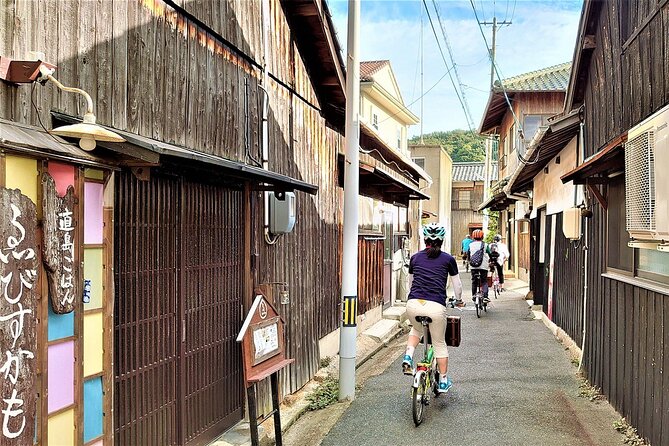
This tour is built for people who want Naoshima’s art, but do not want to spend the whole day “figuring it out.” You start in Takamatsu, take a ferry to Naoshima with your bike, then spend the day moving slowly around the island. The guide keeps you on track and supports you if you are not an all-day cyclist.
You get around by combining cycling with the island’s real-world layout. That matters because Naoshima is not one big walk-through strip; it is a cluster of neighborhoods and art sites spread over different areas. A guided slow cycle is a smart way to cover more than you could on foot in a single day, while still stopping when something grabs your attention.
Price-wise, the tour fee covers the bike and the guide. The ferry and the ticketed museums cost extra. That is actually a good way to structure the day: you only pay for what you personally want to enter.
Where You Start (Takamatsu Port) and How the Ferry Ride Fits In
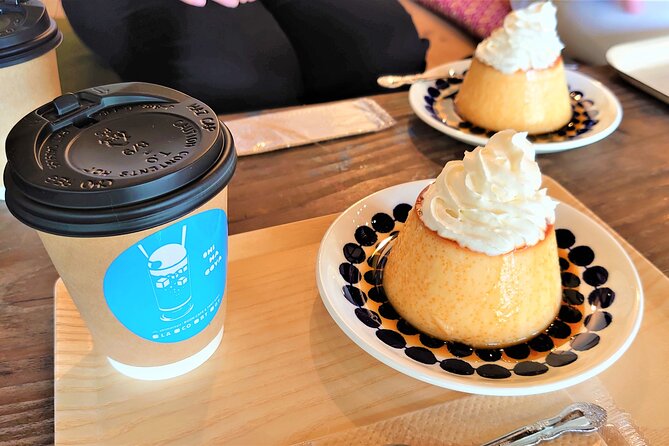
You meet at Takamatsu Port 8 Sunport in Takamatsu at 9:45 am, and you end back at the meeting point. The plan is designed around the ferry timing, which is why good weather really matters.
Here’s the practical part: you take the ferry from Takamatsu Port to Naoshima’s Miyanoura Port and bring your bike along. When you arrive, you are greeted by Naoshima’s famous red pumpkin symbol. It’s a quick moment, but it helps you switch gears from city routine into island art mode.
Why I like this setup: you do not start your art day already tired from logistics. The ferry ride also gives your body a breather before you start cycling.
Brompton Bikes: Fun, Compact, and Built for a Slow Plan
This tour is centered on Brompton, the British-made folding bicycle. If you associate bikes with fitness marathons, this will probably change your mind. The bike itself is made for practicality and control, and the pace is leisurely by design.
What you get from that matters more than the brand name:
- You spend your attention on looking around, not on battling hills or speed.
- The guide can keep everyone close enough to help with transitions and pacing.
- A bike that feels manageable makes it easier to stop often without the day turning into a chore.
In one of the experiences tied to this tour style, the guide helped guests keep to a slow pace, and the group treated the bikes like part of the fun instead of a problem to solve. If you are nervous about riding far, this is the kind of tour that aims to make the day feel doable.
The Art Island Route: From Arrival to Honmura Lanes
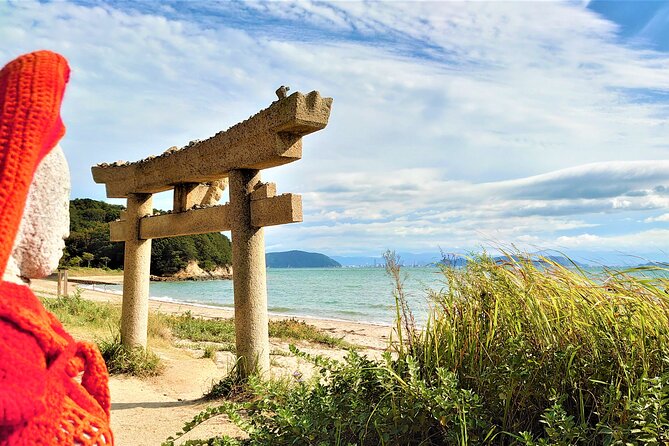
After you land in Miyanoura, you head into Naoshima’s art areas with plenty of photo stops along the way. The tour description highlights how art shows up almost everywhere, so you can treat the ride like a series of small “decisions” rather than one straight checklist.
A key area is Honmura, on the island’s east side. This is where you can enjoy the House Project zone and get lost (in the best way) in back alleys. Instead of only looking at big attractions, you will have time for:
- strolling through intricate lanes
- stopping at favorite shops
- noticing street art around corners
That “slowness” is not just marketing. It changes how you experience Naoshima. You get to see how art blends into everyday spaces, and you have time to react when you spot something unexpected.
Stop 1: Akakabocha and the Power of Starting Strong
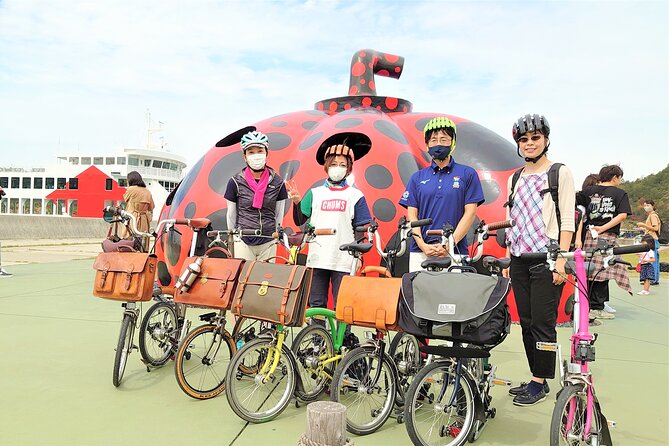
One named stop in the tour plan is Akakabocha. Even if you have only heard Naoshima’s art buzz, this is the kind of start that helps you settle into the island’s visual language early.
Why it works early: getting oriented matters. When you hit an art-related place soon after arriving, you start noticing design details faster the rest of the day. It sets the mood and helps you stop thinking like a tourist with a map, and start thinking like someone wandering on purpose.
What to watch for: keep your photo habits light and flexible. The day is structured around art and stopping often, so do not feel you need to capture everything in one burst.
Stop 2: Art House Project Area Time (and What It Means)
Another named portion is time connected to the Art House Project. This is the kind of Naoshima experience that rewards slow movement. You are not just looking at art objects; you are moving through the spaces where art is part of the built environment.
The tour plan also notes that this area works well for strolling, with time for back alleys and stopping at shops. That is a hint at the style: you are not rushing from gate to gate. You are learning the rhythm of an art island by moving gently through it.
Ticket note: Art house project access costs extra at 1,050 yen. You’ll want to decide in advance whether you want that ticketed experience. If you love architectural art and interior spaces, it’s usually worth factoring in.
The Big Museum Choices: Chichu Art Museum and Benesse House
The tour includes optional visits to two internationally known museum stops:
- Chichu Art Museum (2,100 yen)
- Benesse House Museum (ticketed as an additional choice, based on the tour structure)
These two are not the same kind of art experience. Chichu is known for its strong sense of space and atmosphere, while Benesse House connects art with the surrounding island environment. The important point for your planning is simple: both are separate ticket items, so the day can stretch or change depending on what you choose to enter.
Why I think this tour is a good fit even with optional museums: it gives you a guided day where the museums are part of the plan, but not forced on you. If you only have energy for one ticketed site, you can often make that call without ruining the whole schedule.
If you care about pacing, build in a little mental space for waiting, entering, and catching your breath. A slow bicycle day still includes walking inside museum spaces.
The Return Ride and Ferry Sunset on the Seto Inland Sea
For the return trip, you take a different route back to Miyanoura Port, then ride the ferry back to Takamatsu. The tour’s end highlight is the sunset over the Seto Inland Sea as you head back.
This is one of those details that changes your memory of the day. Naoshima can feel like a world apart, but the ferry ride brings you back into real time, with light shifting over water and the day winding down naturally.
Practical advice: keep one small camera or phone battery buffer for the ride back. The sunset moment is part of the experience flow, and it is easy to burn battery early with constant stops earlier in the day.
Price and Value: When $129 Makes Sense (and When It Doesn’t)
The tour is priced at $129.00 per person, and it generally gets booked about 55 days in advance. The base price covers two big pieces:
- bicycle rental fee
- guide fee
You pay extra for the big add-ons:
- round trip ferry: 990 yen
- Chichu Art Museum: 2,100 yen
- Art house project: 1,050 yen
- lunch/souvenirs (not included)
- tour insurance: 500 yen
So is it good value? For me, it is best value if you do at least one ticketed museum and you want a guided plan that handles the bike + ferry day for you. If you only plan to do free street art and skip ticketed museums and projects, you may feel like you are paying more than you expected for bike and guidance.
But even then, the tour has a payoff: you are not fighting logistics alone, and the small group size (max 6) makes the guide’s support part of what you pay for. In plain terms, the value comes from not having to coordinate and manage everything on your own.
Also, the tour includes a mobile ticket, which reduces friction on travel day. You can keep your focus on the island instead of paper logistics.
How Long It Really Takes (and Why “Moderate Fitness” Is Fair)
The duration is about 8 hours. Even with a slow cycling style, you are still combining bike time and walking time for art areas and museum entries.
The tour notes that it suits people with moderate physical fitness. That is a sensible middle ground. You do not need to be a trained cyclist, but you should be comfortable enough to ride a bike for a good chunk of the day and handle some walking.
If you’re deciding whether to join, be honest with yourself:
- If riding for long periods makes you anxious, plan for support from the guide and accept slower stops.
- If you can handle short-to-medium riding and frequent breaks, you will likely enjoy the pace.
Group Size and Guide Support: Small Makes a Difference
This tour caps at 6 travelers, and that changes the experience in a real way. When a group stays small, the guide can adjust pacing, help with transitions, and keep everyone together without constant waiting.
In the feedback associated with this tour style, guides are described as friendly and helpful, and one guide named Takashi is specifically mentioned for going at the guests’ slow pace. That matches what this kind of slow cycling tour is supposed to deliver: less stress, more movement, and more time looking.
One more practical detail from the same style of experience: a lunch stop can turn into a highlight. Lunch is not included, but guides often steer you toward local options. In one shared experience, the lunch featured authentic local produce at an off-the-beaten-track restaurant, which turned into a pleasant surprise. If you want that kind of payoff, ask your guide for local lunch suggestions rather than grabbing something generic near the obvious routes.
What to Pack for a Naoshima Bike-and-Art Day
Since this tour is weather dependent and you are out for most of the day, I’d pack like you’re mixing cycling comfort with sightseeing. The key is to stay ready for stop-and-go timing.
You should have:
- comfortable clothes for cycling and walking
- a light layer for the ferry ride if the air cools
- a way to handle your phone battery for photo spots
- cash or card for ferry, museum tickets, lunch, and souvenirs
The tour notes good weather is required. If conditions are borderline, bring gear for comfort and keep expectations flexible.
Who Should Book This Tour (and Who Might Prefer Something Else)
This is a strong match if you:
- want to cover a lot of Naoshima art in one day without doing all the logistics yourself
- like photography stops and wandering alley spaces
- enjoy a guided pace that keeps you from rushing
- want the fun factor of riding Brompton instead of a standard rental bike
You might consider another option if you:
- are aiming for a fully museum-heavy itinerary with multiple ticketed entries and long indoor time
- dislike any cycling after a long day of walking, even at a slow tempo
- plan to skip both major museum choices and ticketed art house areas, because you may feel the bike-and-guide portion isn’t pulling its weight
Should You Book It?
I’d book this tour if you want an easy, guided way to experience Naoshima’s art island layout without turning your day into bike logistics. The biggest reason is the balance: ferry arrival, slow cycling on Brompton, Honmura lane wandering, optional top museums, and a calm finish with a ferry sunset.
Book it sooner rather than later if you can, since it’s often reserved about 55 days in advance. And go in ready to make choices on the ticketed sites. If you plan to add at least one museum stop, the base price starts to feel like real value.
If you want a stress-light Naoshima day where you spend more time looking and less time figuring, this is one of the more sensible ways to do it.
FAQ
Is this tour only for cyclists?
No. The plan is slow and the guide supports you, even if you are not very confident in your fitness level.
What’s included in the $129 price?
The bicycle rental fee and the guide fee are included.
What’s not included in the tour price?
Round trip ferry, lunch/souvenir costs, Chichu Art Museum ticket, Art house project ticket, and tour insurance are not included.
How much is the round trip ferry?
The round trip ferry is 990 yen.
Do I need separate tickets for Chichu Art Museum and the Art House Project?
Yes. Chichu Art Museum costs 2,100 yen, and the Art house project costs 1,050 yen.
What time does the tour start and where do I meet?
You meet at Takamatsu Port 8 Sunport, Takamatsu at 9:45 am.
How long is the tour?
It runs for about 8 hours.
How many people are in a group?
The tour has a maximum of 6 travelers.
What kind of confirmation should I expect after booking?
You should receive confirmation within 48 hours of booking, based on availability.
What happens if the weather is poor or the minimum number of travelers is not met?
The experience requires good weather. If it is canceled due to poor weather, you’ll be offered a different date or a full refund. If the minimum number of travelers isn’t met, you’ll be offered a different date/experience or a full refund.