REVIEW · KURASHIKI
Kurashiki History and Culture Guided Cycling Tour
Book on Viator →Operated by TAKAHASHIGAWA TRAVEL · Bookable on Viator
Three hours is enough to feel like Kurashiki’s story.
This guided cycling tour pairs a walk through the Kurashiki Bikan Historical Quarter (kept in a look from about 400 years ago) with an upstream bike ride along the Kurashiki River’s old canal routes, including how the water now runs underground. I especially liked the mix of big-picture history with practical sights you can actually point at. I also loved the craft stop: you visit a local Sakazuyaki potter workshop and hear what shaped the area. One thing to consider: it’s still biking and the tour asks for moderate physical fitness, so plan for sun and heat.
The guide, Shota Oura, makes it easy to follow the route without it feeling rushed, even when you’re hopping between river sites and studio time. The group stays small (up to 3 travelers), and the rental bike plus insurance is included, which makes this feel like a focused, low-stress way to see more than just the main streets. If you’re traveling with kids, the recommendation is 140cm or taller.
In This Review
- Key Highlights You’ll Want on Your Radar
- Kurashiki Bikan Quarter: walking the preserved river-town feel
- Pedal upstream: Kurashiki River canals to Sakazu Reservoir
- After lunch, meet the Sakazuyaki potter at Sakazuyaki Kamamoto
- Small-group cycling with Shota Oura: pace, patience, and real questions
- Cost and value: why $53.65 feels fair for what you get
- Where the tour starts and ends (and how that affects your day)
- Practical tips for your bike ride in Kurashiki
- Should you book this Kurashiki cycling tour?
- FAQ
- How long is the Kurashiki History and Culture Guided Cycling Tour?
- Where does the tour start and end?
- What’s included in the price?
- Is food included?
- Are there admissions fees for the stops?
- Is this tour suitable for children?
- How many people are in the group?
- What physical level do you need?
- What if the weather is hot?
- What is the cancellation policy?
Key Highlights You’ll Want on Your Radar
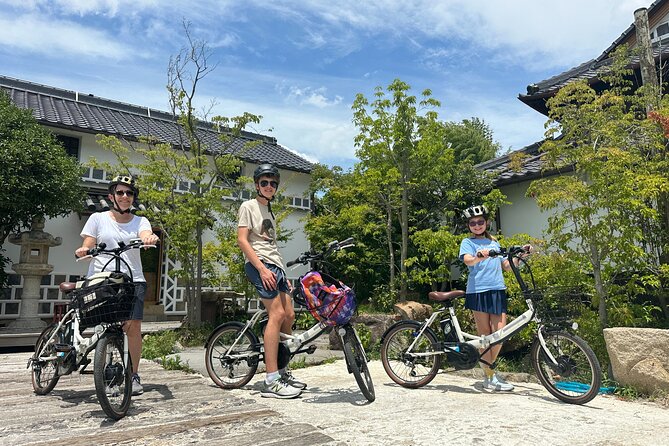
- Bikan Quarter first, then straight onto the bike: a guided walking start that sets the “why” before you pedal
- Kurashiki River past meets present: you’ll hear how boats once moved along a broad channel, while parts of today’s water run through culverts (ankyo)
- Sakazu Reservoir route is short but story-filled: about 3 kilometers total to the reservoir area
- Pottery visit to Sakazuyaki Kamamoto: you go see the potter’s process and talk with Kensaku Okamoto at the studio
- Small group pacing: maximum of 3 travelers for a relaxed tempo and questions that don’t get lost
- Bike comfort matters: in at least one recent ride, the group used e-bikes and found them comfortable in warm weather
Kurashiki Bikan Quarter: walking the preserved river-town feel
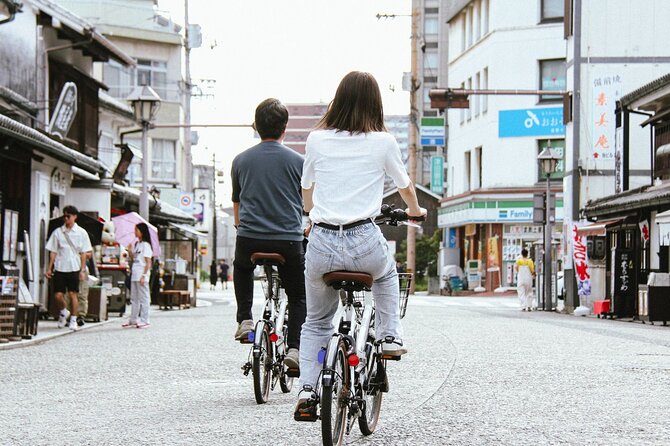
Your tour starts in the Kurashiki Bikan Historical Quarter. Plan on about 45 minutes of guided walking here. This is the part that gives you visual grounding fast: the area’s built and preserved look goes back roughly 400 years, so you’re not just reading about the past—you’re standing inside it.
What I like about starting this way is simple: once you see the preserved streets and town layout, the bike ride stops being random scenery. The guide can point out how the town’s water system and transportation mattered, then you roll out with that context in your head.
A key theme is the idea of a river that exists, even when you can’t see it the way you expect. The tour format sets you up to notice how water shapes places even when portions are hidden or routed differently now. You’ll also get access to free materials and explanations tied to what’s visible (and what isn’t).
What to watch for: look for clues that the water isn’t just scenery. In this district, the river-and-channel thinking affects where people built, worked, traded, and even where entertainment grew over time. If you enjoy history that’s tied to physical layout, you’ll get a lot out of this first stop.
Potential drawback: it’s still a walking segment. If you’re traveling with someone who doesn’t do well on sustained walking, you may want to go into this portion ready with water and sun protection.
Pedal upstream: Kurashiki River canals to Sakazu Reservoir
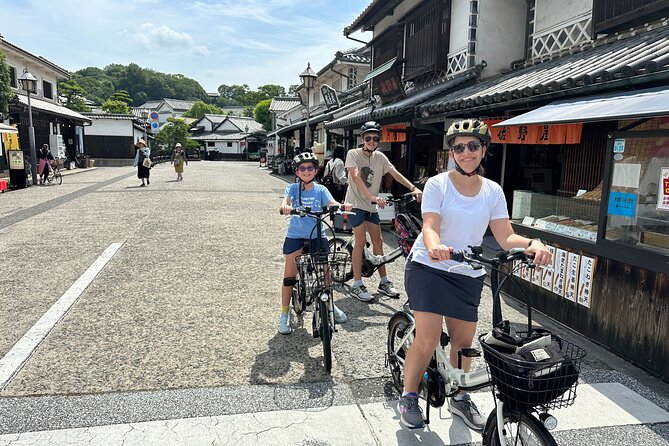
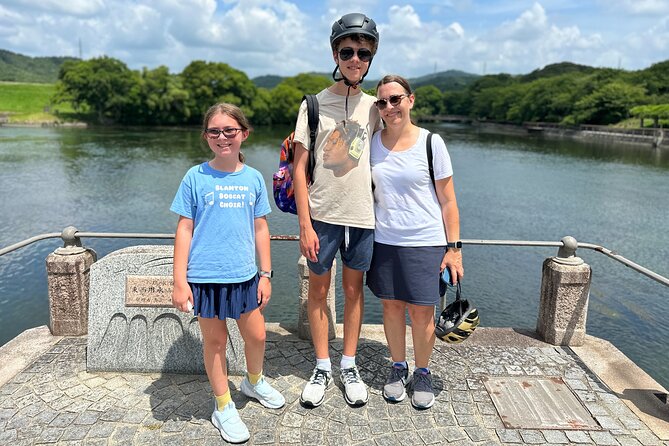
After the walking segment, you switch to bicycles and head upstream along the Kurashiki River and irrigation canals toward Sakazu Reservoir. The reservoir is about 3 kilometers away, so you’re not doing a long-distance ride—but it’s enough time in motion to feel like you’ve left the postcard zone and are moving through real working corridors.
This route has a neat “past and present” contrast. In the past, the Kurashiki River acted more like a canal, with a wide riverbed where Takasebune boats traveled back and forth. That detail is more than trivia once the guide starts connecting it to what the landscape would have needed—space for passage, gentle flow, and access for people moving goods and travelers.
Today, you’ll learn that parts of the waterway flow underground as a culvert, called ankyo. This is one of those concepts that’s hard to visualize until someone points out the evidence. The tour uses materials along the way so you can link the historical river idea to the modern infrastructure you can see (and the water you can’t).
Along the cycling route, you’ll also pass through spots tied to how Kurashiki functioned as a transportation hub. You’ll see locations that once had an entertainment-district feel, plus areas where spinning mills once stood. That mix is valuable because it reminds you Kurashiki wasn’t just pretty canal streets—it was also industry and movement.
Stop timing: the Sakazu Reservoir portion is short, around 15 minutes. That’s good news if you want movement more than sitting. It also means you’re not stuck watching the clock while the guide covers the ride story.
What I think works best here: if you like “on the way” learning—where you’re getting information while changing scenery—you’ll love this segment. It’s the kind of route that makes the town’s geography click.
One practical note: the tour mentions heat in the guide responses, and one rider highlighted that cycling felt like a relief during summer conditions. Still, bring water and dress for the sun. If it’s a very hot day, pace yourself and take cues from your guide.
After lunch, meet the Sakazuyaki potter at Sakazuyaki Kamamoto
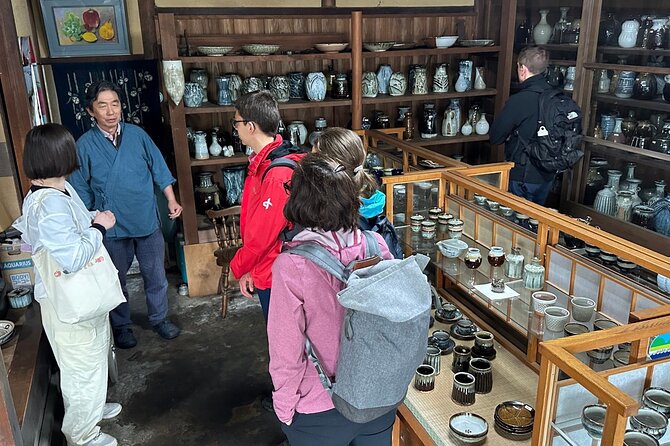
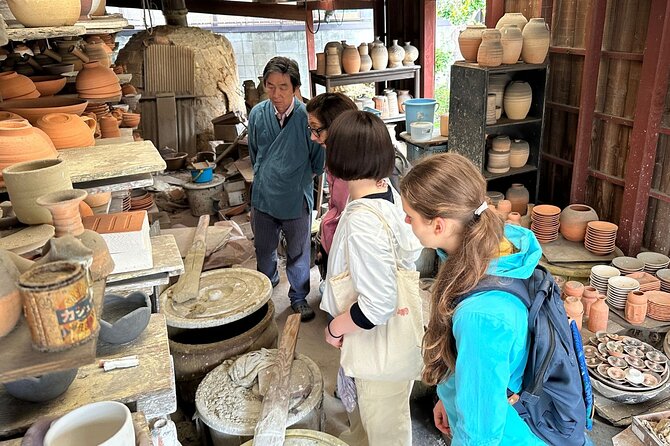
The final stop is the craft visit: Sakazuyaki Kamamoto, tied to potter Kensaku Okamoto. This is scheduled for about 20 minutes.
The potter stop matters because it shifts your understanding from infrastructure and commerce to human work—how local material culture continues. The stop description also connects to how water systems changed: you’ll hear about the vanished Higashi Takahashi River and the transformed pond, plus how that kind of change shapes community life over time.
Then you’re not just looking from the doorway. You get a workshop visit—exactly the sort of thing that’s hard to find on your own unless you know where to go and what to ask. In one recent review, this was the highlight: the guide made the studio time feel friendly and informative, and the whole stop didn’t feel rushed.
What to expect in the studio: you’ll hear explanations from the potter/guide context and see the studio environment directly. If you’re the type who likes to ask basic questions—how something is made, what tools are used, why certain forms matter—this is the part where you’ll feel most satisfied.
Potential drawback: the studio time is short (about 20 minutes). If you want a long, hands-on class, this may feel more like a look-and-learn visit than a full workshop. But it’s a great add-on when you also want the historical cycling pieces.
Small-group cycling with Shota Oura: pace, patience, and real questions
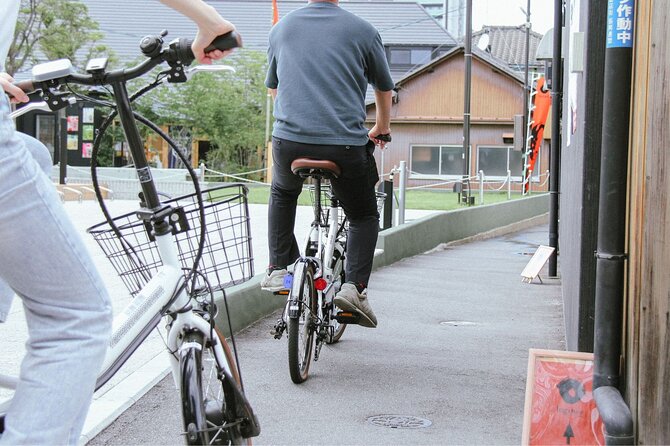
This tour caps at 3 travelers, and it shows in the pacing. The guide can keep things moving without feeling frantic, and it’s easier to ask questions when the group isn’t large.
Shota Oura is specifically mentioned as patient and informative in recent experiences. That kind of guide matters on a tour like this, where you’re learning concepts (canal era boats, underground culverts, transportation shifts) while also navigating in motion. A patient guide helps you connect the dots instead of just pointing and moving on.
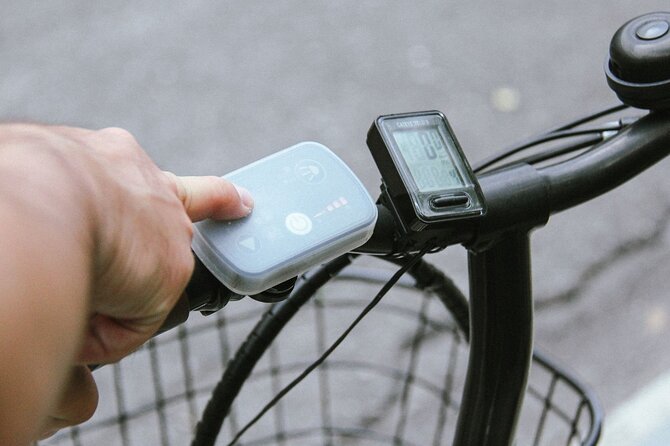
You may also see e-bike use mentioned in recent feedback. The tour includes a rental bicycle, and at least one group found the e-bikes comfortable, which is a smart advantage if you’re riding in warm weather or if you want to keep effort low while focusing on the sights.
About your physical level: the tour asks for moderate fitness. You’re not looking at a strenuous workout, but you should be comfortable riding long enough to cover the route and do a bit of walking at the start.
Family consideration: children are welcome, with a recommendation of 140cm or taller. If you have kids in that range, biking can be a fun way to see Kurashiki without turning the day into a string of train-and-walk errands.
Cost and value: why $53.65 feels fair for what you get
At $53.65 per person for about 3 hours 45 minutes, this is priced like a guided activity, not a DIY itinerary. What helps it feel fair is what’s included:
- rental bicycle
- insurance premium
- guided time across the Bikan district, the river route, and the studio stop
Admission tickets for the scheduled stops are listed as free in the itinerary, which matters when you’re trying to estimate the real total cost of a half-day plan.
Food and drinks are not included. The tour includes a lunch at a cafe as part of the flow in at least one experience, but you’ll still need to budget for what you order. If you’re the kind of traveler who likes snacks, pack a little extra so you’re not scrambling between stops.
Value takeaway: for this price, you’re buying a guide who can explain Kurashiki’s water history and direct you to a pottery studio experience you may not find quickly on your own. That blend—interpretation plus access—tends to cost more when booked à la carte.
One more small detail: the tour uses mobile tickets, and there are group discounts. If you’re traveling with someone and you see a discount available, it can make the math even nicer.
Where the tour starts and ends (and how that affects your day)
You start at 2-chōme-6-1 Chūō, Kurashiki, Okayama 710-0046, Japan. You end at TAKAHASHIGAWA TRAVEL (高梁川トラベル), 2-chōme 209, Achi, Kurashiki, Okayama 710-0055.
That start/end setup can help you plan the rest of your day: you’re not locked into a long loop that returns you to the exact same spot. Before you book, think about where you’ll want to be after the tour—dinner, a second attraction, or your hotel direction.
The tour is noted as near public transportation. That’s useful in Japan, where a smooth transit connection can make a half-day plan feel effortless.
Practical tips for your bike ride in Kurashiki
A few things I’d do before you go:
- Bring sun protection. The route can be warm, and one review specifically mentioned summer heat and comfort while cycling.
- Wear breathable clothes and comfortable shoes. You have both biking and walking, so plan for both.
- Keep expectations realistic about time. It’s about 3 hours 45 minutes total, with a short reservoir stop and a short studio stop. You’ll see a lot, but you won’t spend hours at any one location.
- Use your mobile ticket. The tour supports mobile ticketing, so make sure your phone is ready.
- If you’re with kids, plan for the bike height guideline. 140cm or taller is the recommendation.
If you’re the type who likes taking photos, this is a good tour for that. But don’t get so focused on pictures that you miss the guide’s explanations. The story is tied to what you’re seeing right then.
Should you book this Kurashiki cycling tour?
Yes, if you want a guided day that’s part history lesson, part river ride, and part hands-on local culture. This tour works especially well if you’re already interested in Kurashiki’s preserved streets and you want to go beyond the obvious view by following the river story upstream to Sakazu Reservoir—and then finishing with a Sakazuyaki potter visit.
I’d hesitate if you strongly dislike biking or if your group has trouble with a moderate fitness requirement. Also, if you’re expecting a long, hands-on pottery workshop, know that the studio time is short and focused on visiting and learning rather than a full class.
If you can handle a half-day mix of walking, cycling, and a studio stop, this feels like a good-value way to understand how Kurashiki worked—water routes, transportation, industry, and craft—without turning your day into a stressful puzzle.
FAQ
How long is the Kurashiki History and Culture Guided Cycling Tour?
It’s approximately 3 hours 45 minutes.
Where does the tour start and end?
The start point is 2-chōme-6-1 Chūō, Kurashiki, Okayama 710-0046. The tour ends at TAKAHASHIGAWA TRAVEL (高梁川トラベル), 2-chōme209, Achi, Kurashiki, Okayama 710-0055.
What’s included in the price?
The price includes a rental bicycle and an insurance premium.
Is food included?
No. Food and drinks at the cafe are not included.
Are there admissions fees for the stops?
The itinerary lists admission tickets for the scheduled stops as free.
Is this tour suitable for children?
Children are welcome. The recommendation is 140cm or taller.
How many people are in the group?
The tour has a maximum of 3 travelers.
What physical level do you need?
A moderate physical fitness level is recommended.
What if the weather is hot?
The tour includes cycling and walking, and one recent experience specifically mentioned heat and comfort while riding. You should plan for warm conditions and bring water and sun protection.
What is the cancellation policy?
You can cancel for a full refund up to 24 hours before the experience’s start time. Free cancellation is available.
If you tell me what month you’re going and whether you prefer e-bikes or regular bikes, I can help you decide if the timing and fitness level will feel comfortable.