REVIEW · KITAHIROSHIMA
Hiroshima Country Cycling: Explore Rural Life 1 HR from City
Book on GetYourGuide →Operated by Japanspire · Bookable on GetYourGuide
Your day starts where cities stop.
This Hiroshima country cycling trip takes you off the main roads and into working farming communities, with comfortable e-bikes and an English-speaking local guide, Jonah. It’s built for a relaxed pace, so you can actually look at how people live when the loud stuff is an hour away.
I especially like how the tour makes rural life feel personal, not staged. You spend real time at village stops where you can ask questions about agriculture and seasonal routines, not just take photos. The one thing to consider is simple: if you can’t ride a bike comfortably, this won’t be a good fit, and the whole plan depends on good weather.
In This Review
- Key highlights worth your time
- Rural Hiroshima feels real once you’re off the expressways
- E-bike comfort: why the ride is easier than it sounds
- Getting there from Hiroshima: the highway bus plan is straightforward
- Kakeyama: a first look at everyday farming life
- Traditional village time: slowing down to notice how people build
- The local restaurant stop: simple food, focused on what’s grown nearby
- The extra 1-hour local stop: expect another rural window
- Jonah’s guidance: what you gain when explanations fit the scenery
- Price and value: where the $83 really goes
- What to bring (and what can trip you up)
- Who should book this rural Hiroshima e-bike day
- Should you book Hiroshima Country Cycling?
- FAQ
- How long is the cycling tour?
- What times does the tour operate?
- Where does the tour meet you?
- How do I get from Hiroshima City to Oasa IC?
- Is a JR Pass accepted?
- What is included in the price?
- Is lunch included?
- Can I arrange optional visits with farmers or residents?
- What should I bring, and is cash required?
Key highlights worth your time
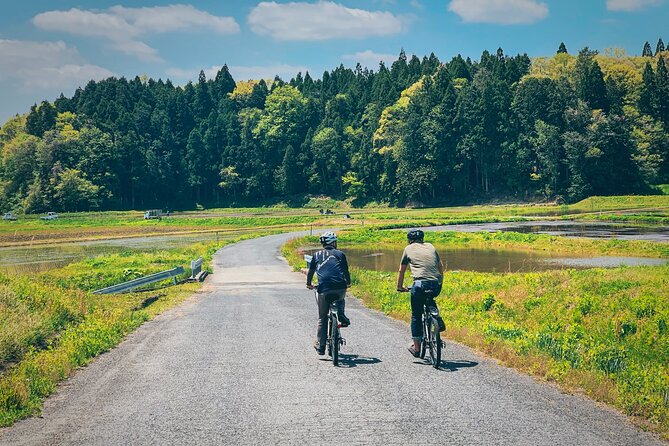
- Comfortable e-bikes for an easygoing pace on countryside roads and mild climbs
- Small group up to 8 people, so questions to Jonah don’t get rushed
- Guided stops that show daily rural life, from farming areas to a traditional village feel
- Optional additions with farmers or residents (when availability allows)
- Clear round-trip access from Hiroshima by highway bus, with JR Pass accepted
Rural Hiroshima feels real once you’re off the expressways
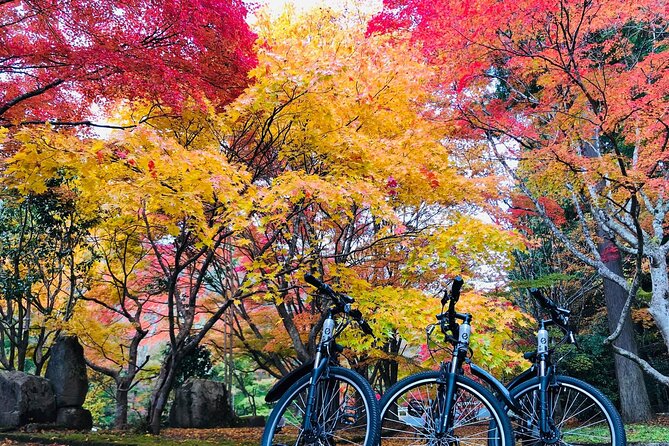
Hiroshima is famous for major history sites and easy-to-plan city days. This tour is a different rhythm. You trade crowds for a quieter world where you can see how farming communities keep going, even as younger people move toward bigger cities.
The route is designed around agriculture and seasonal traditions. That matters, because it changes what you notice. Instead of only seeing “pretty fields,” you start asking practical questions: What gets grown here? How does the work change through the year? What’s daily life like for people who stay in the community?
And because the ride stays relaxed, you’re not sprinting to keep up. You can pause, look, and ask. That’s the difference between a scenic bike ride and a meaningful countryside day.
E-bike comfort: why the ride is easier than it sounds
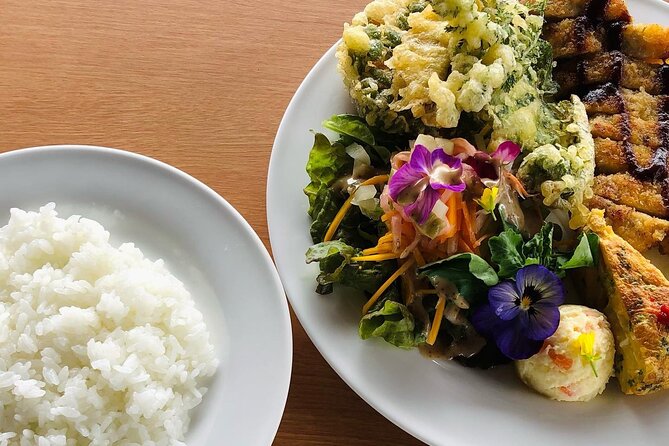
This isn’t a hard-core cycling challenge. The tour uses e-bikes to help you cover the route at a steady, comfortable pace. That’s a big deal in rural areas where you may hit small climbs or uneven road stretches.
What I’d watch for: your comfort on a bicycle still matters. E-assist helps a lot, but you still need balance, confidence, and the ability to ride safely for a full half-day. If you haven’t biked in a while, wear comfortable shoes and don’t treat this like a casual stroll—you’re on two wheels the whole time.
On the plus side, the pacing gives you time to interact with the guide and linger at stops. You’re not just being delivered from point A to B.
Getting there from Hiroshima: the highway bus plan is straightforward
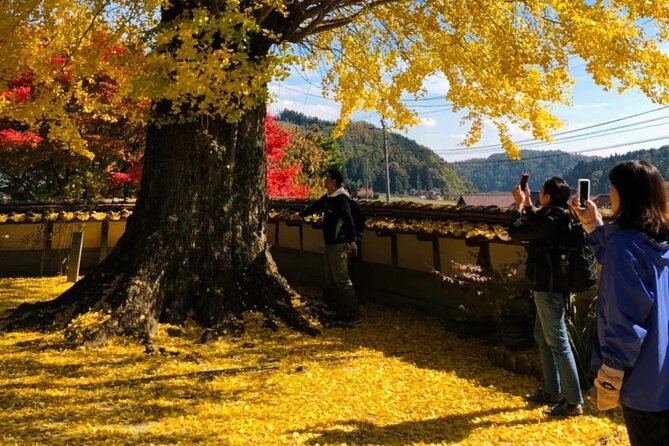
Logistics can ruin a good day. This one is refreshingly simple.
You take a highway bus from Hiroshima City to Oasa Interchange. The departure options are:
- 9:00 AM from Hiroshima Station Bus Stop #3 (ground level near Tourist Information & Bus Ticket Office)
- 9:15 AM from Hiroshima Bus Center Bus Stop #9 (3rd floor of the Sogo building)
The bus ride is direct, arriving at Oasa IC at 10:14 AM, where the guide meets you. That timing is important because it sets you up to start the biking portion without scrambling or waiting forever.
On the return, the bus departs Oasa IC at 3:44 PM and gets you back to:
- Hiroshima Bus Center around 4:43 PM
- Hiroshima Station around 4:58 PM
If you have a JR Pass, the JR bus option covers the round trip with no extra bus fee. Either way, the schedule is built so you don’t have to worry about renting a car or building a whole transportation puzzle.
Kakeyama: a first look at everyday farming life
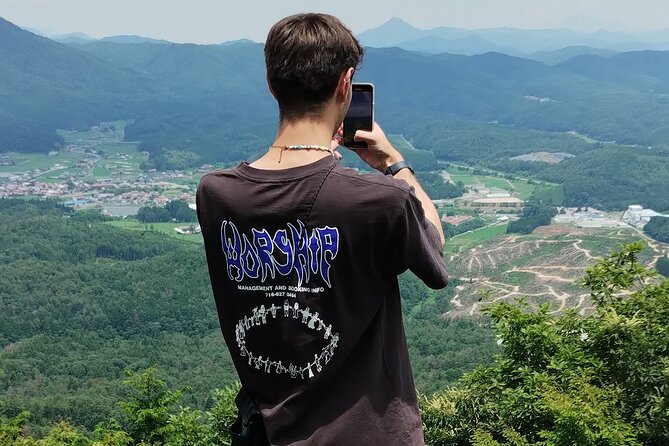
Your first guided stop is Kakeyama, with about 1 hour there. This is the part that sets the tone. Instead of jumping straight into a tourist-style view, you start by seeing a rural neighborhood where work and seasons shape daily routines.
What makes this stop valuable is the way Jonah can connect what you see to how agriculture actually functions. When the guide explains what’s happening right now and how it changes across the year, you notice different things: field edges, planting rhythms, and why certain areas get attention when they do.
Possible drawback: if you’re expecting a “must-see landmark” style stop, this won’t feel like that. Kakeyama is more about understanding how people live and work, and that takes a curious mindset.
Traditional village time: slowing down to notice how people build
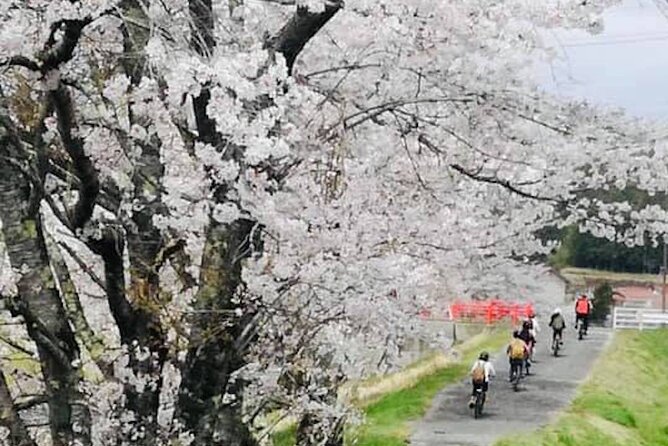
After Kakeyama, you head to a traditional village visit for another 1 hour. This is your chance to experience rural Japan in a slower, human scale—where houses, paths, and daily routines are the “sights,” not just buildings.
This kind of stop works best when you treat it like a conversation prompt. Ask about seasonal habits. Ask what changes when the weather shifts. Ask how farming fits into family life. A small-group format helps here, because you’re not stuck shouting over a crowd.
If you’re sensitive to weather or cold, plan for outdoor walking time. You’ll get moments to observe, but you’ll also be in the open enough that comfortable layers matter.
The local restaurant stop: simple food, focused on what’s grown nearby
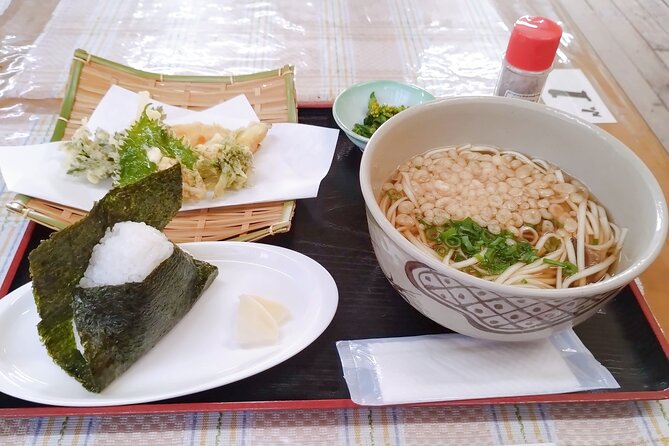
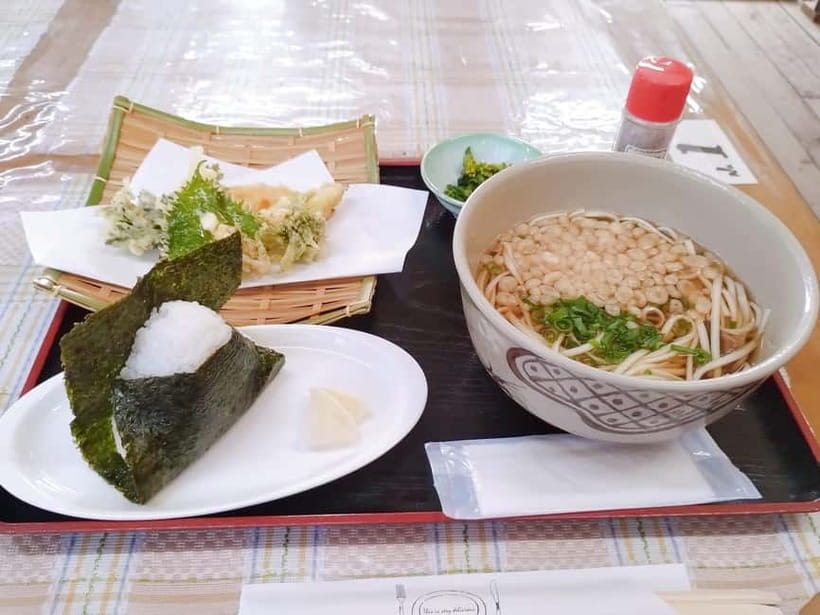
You’ll also have 1 hour at a local restaurant stop. This is where the day becomes more than sightseeing. It’s built around a “local food” approach, with options linked to farming and seasonal ingredients.
Lunch isn’t included in the main price. You’ll see choices like:
- A herb garden lunch option (roughly 1,000–1,300 JPY per person)
- Sushi-making (roughly 3,000 JPY per person)
The smart way to think about this: lunch here is part of the cultural lesson. If you want a straightforward meal, go herb-garden style. If you want hands-on, sushi-making gives you a more interactive hour.
The only consideration is cost control. Eating options can add up quickly, especially for picky eaters. Bring some cash (you’ll need it anyway), and decide what type of lunch fits your day.
The extra 1-hour local stop: expect another rural window
Your schedule includes one more 1-hour visit before you head back toward Oasa IC. The exact theme of that stop isn’t spelled out in the details you have here, but it’s positioned as another local experience rather than a drive-by photo stop.
If you’re the type who enjoys meeting people and learning the “how” behind daily life, this slot is usually where your questions pay off. Keep your curiosity switched on, because the guide’s explanations are part of the value.
Also keep in mind the tour is built around time. That extra stop is one more chance to see rural life, but it’s not a full-length deep dive. Plan your expectations for a half-day cultural ride, not an all-day exploration.
Jonah’s guidance: what you gain when explanations fit the scenery
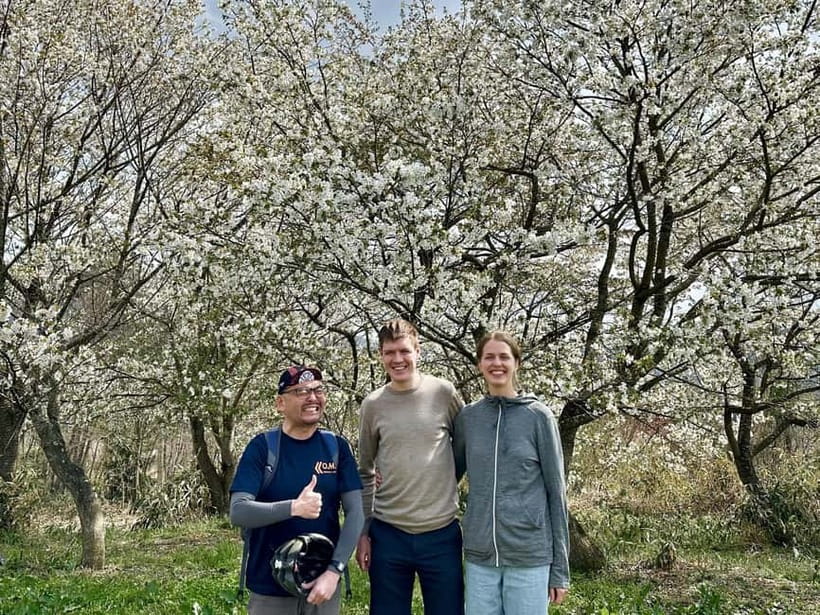
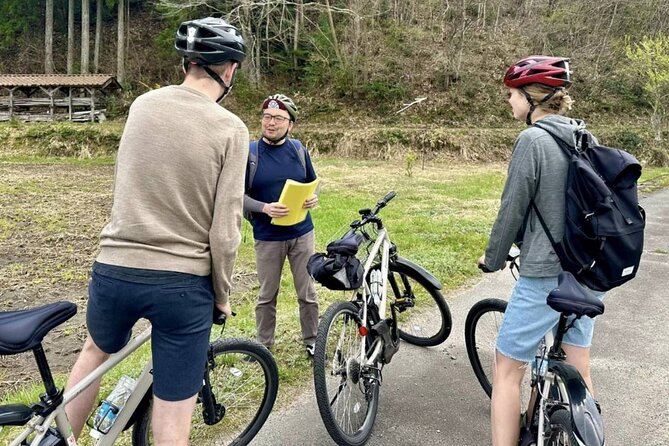
A bike tour becomes worth it when someone helps you see what you’d miss. This one is guided live in English and Japanese, with Jonah listed as the guide in multiple experiences.
The best part is how his explanations connect agriculture, seasons, and daily life. Rural settings can feel quiet and “the same” if you don’t know what you’re looking at. A good guide fixes that by giving you context fast, while you’re actually in the place.
This also helps you talk to locals in a more relaxed way. You’re not just observing from a distance—you’re asking better questions. And since the group is limited to 8 participants, it’s easier to keep the conversations going without feeling rushed.
One more plus: because it’s a small group, the guide can adjust the pace to fit the energy level on the day.
Price and value: where the $83 really goes
The listed price is $83 per person for a 4-hour tour, with e-bike use and guide support included. On top of that, you get:
- Bicycle and helmet
- Guide fee
- Accident insurance coverage
- Multiple water refill stations along the route (bring your own water bottle)
Notably, the highway bus fee between Hiroshima and Oasa is ¥3,560 round trip, but that’s free for JR Pass holders. Even if you don’t have a JR Pass, the bus connection is still part of how the day works, so you’re not left scrambling for transportation.
Lunch is the main extra cost (herb garden lunch or sushi-making). So, if you want a simple day with one meal option, budget for that. If you choose the sushi-making activity, it’s a bigger splurge, but it’s also more hands-on than just eating.
For me, the value looks strongest if you:
- want rural context, not just cycling
- prefer a guided small group instead of DIY exploring
- like the idea of paying for local interpretation and not figuring it all out alone
What to bring (and what can trip you up)
Keep it practical. Bring:
- Comfortable shoes
- Comfortable clothes
- Cash (because lunch options cost extra)
- A water bottle (there are refill stations)
Not allowed: intoxication.
Two other real-world considerations:
- The tour is weather dependent. If conditions are poor, you’ll be offered another date or a full refund.
- It’s not suitable for people with mobility impairments or wheelchair users, and it’s also not for anyone who can’t ride a bike. There are minimum height and maximum weight limits listed too (under 140 cm or over 110 kg).
If you’re unsure about your bike comfort, be honest with yourself. E-assist helps, but the tour still expects you to ride confidently.
Who should book this rural Hiroshima e-bike day
This is a great fit if you:
- have at least one flexible day in Hiroshima and want something calmer than city sights
- like agriculture, everyday culture, or just learning how places actually function
- want a small-group guided experience with an English-speaking local guide
- enjoy bike rides but don’t want an intense workout
I’d hesitate if:
- you can’t or don’t want to ride a bike
- you’re expecting famous monuments and big-ticket attractions
- you dislike being outdoors when weather changes quickly
For most visitors, this tour hits a sweet spot: culture, conversation, and countryside at a manageable pace.
Should you book Hiroshima Country Cycling?
If you want one day that feels like you’re living in rural Japan instead of only visiting it, book it. The combination of e-bike comfort, a small group, and Jonah’s focus on agriculture and seasonal traditions makes this more than a scenic ride.
The main “don’t book” reason is practical: you must be comfortable cycling, and the day depends on weather. If you can ride and you’re flexible, this is one of those Hiroshima experiences that gives you a perspective you won’t get from trains and monuments alone.
FAQ
How long is the cycling tour?
The tour runs for about 4 hours.
What times does the tour operate?
It runs from 9:00 AM to 5:00 PM, with the bus transfer timing built around a meeting at Oasa IC at 10:14 AM and a return bus at 3:44 PM.
Where does the tour meet you?
The guide meets you at Oasa Interchange (Oasa IC) at 10:14 AM.
How do I get from Hiroshima City to Oasa IC?
Take a highway bus from Hiroshima City:
- 9:00 AM from Hiroshima Station Bus Stop #3
- 9:15 AM from Hiroshima Bus Center Bus Stop #9
Then arrive at Oasa IC at 10:14 AM.
Is a JR Pass accepted?
Yes. JR Pass holders can ride the JR bus round-trip at no additional cost.
What is included in the price?
Included are the bicycle, helmet, guide fee, accident insurance coverage, and access to multiple water refill stations.
Is lunch included?
No. Lunch is optional and costs extra. Options listed include a herb garden lunch (about 1,000–1,300 JPY) and sushi-making (about 3,000 JPY).
Can I arrange optional visits with farmers or residents?
Optional local visits with farmers or residents can be arranged in advance based on availability.
What should I bring, and is cash required?
Bring comfortable shoes and clothes, and bring cash for optional add-ons like lunch. You should also bring your own water bottle since there are refill stations along the route.