REVIEW · FUKUOKA
Bike Tour in Fukuoka City【Bike is Life】Fukuoka ” Hakata ” Ride
Book on Viator →Operated by Bike is Life · Bookable on Viator
Two towns, one afternoon on two wheels. This Fukuoka bike tour connects Hakata’s old port energy to the castle town vibe, with car-free paths and a stop-by-stop local feel built in. I like two things a lot: the chance to ride routes you can’t easily reach by car, and the calm, careful handling by guides like Haruka that keeps the pace comfortable.
There is one practical catch: the meeting point is at Kushida Shrine Station, and it can take a minute to spot the exact start. If you arrive late or confused, you’ll want extra time before the tour starts.
In This Review
- Key Highlights You Should Know
- Two Towns on Two Wheels: What This Ride Really Covers
- Meeting at Kushida Shrine Station: How to Start Smoothly
- Pedaling the Fukuoka Castle Remains and Stone Walls
- Ohori Park’s Outer Moat: A Brake for Your Legs and Your Camera
- Shofuku-ji Temple: Zen, Tea, and a Quiet Pause
- Kushida Shrine for Safety: Hakata’s Religious Identity in Action
- The 17 km Experience: Pace, City Riding, and Breaks
- Price and What You Get: Is $72.26 Worth It?
- Who This Tour Fits Best (and Who Should Skip)
- Should You Book the Bike is Life Hakata Ride?
- FAQ
- How long is the Bike Tour in Fukuoka City?
- Where do we meet, and do we return to the start?
- What time does the tour start?
- What is included in the price?
- What languages are the tours offered in?
- How large is the group?
- Are there age or height requirements?
- Are there admission fees for the stops?
- What if the weather is bad?
- What is the cancellation window?
Key Highlights You Should Know
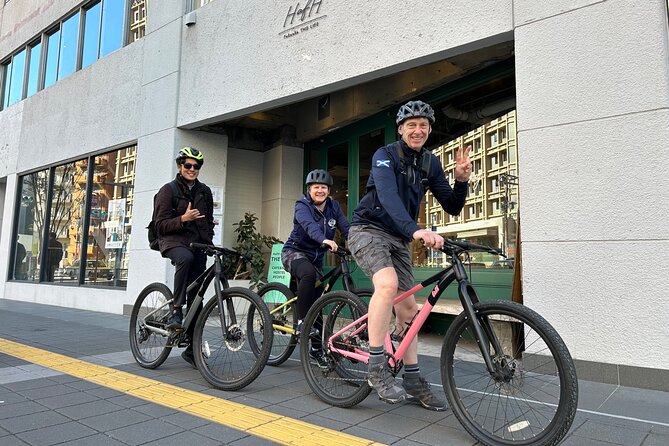
- Small group size (up to 10): easier conversation, tighter navigation, and less waiting around.
- Fukuoka Castle remains by bike: ride alongside a long stretch of stone wall, from Uenobashi Imperial Gate toward the tower area.
- Ohori Park break in the moat zone: a quick reset with free time to enjoy the park.
- Shofuku-ji Temple: Japan’s first Zen temple: also tied to the birthplace of Japanese tea.
- Kushida Shrine for safety: a chance to connect with Hakata’s local religious identity.
- 3.5-hour guided loop with included bike, insurance, snacks, and drinks: you show up and ride.
Two Towns on Two Wheels: What This Ride Really Covers
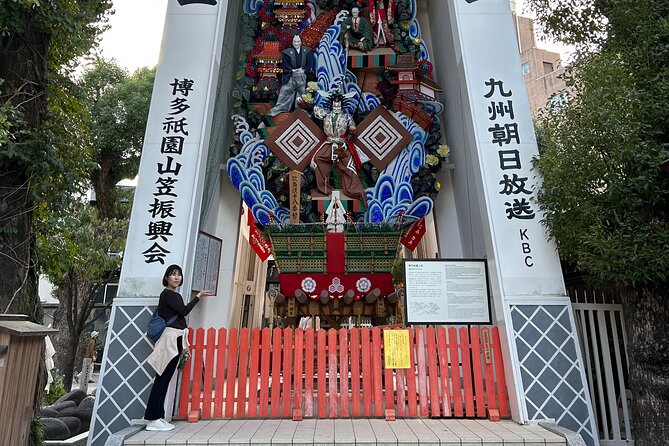
Fukuoka is easy to treat like one city, but this ride reminds you it’s really two stories side by side. Hakata was the long-running international port, tied to trade and diplomacy, while the castle town grew later around the castle built by Kuroda Nagamasa and his father. Crossing between those areas on a bicycle is a smart way to understand the city without bouncing from train stop to train stop all afternoon.
This tour is built for movement, not museum mode. You’ll follow routes that use paths and river-adjacent scenery that feels more local and less “tourist corridor.” It also helps that the day is paced with short stops, so you get history and photos without turning your legs into jello.
The stops themselves are practical too. You’ll hit castle remains, then Ohori Park, then two cultural anchors—Shofuku-ji Temple and Kushida Shrine—all within a 3 hours 30 minutes ride window.
Meeting at Kushida Shrine Station: How to Start Smoothly
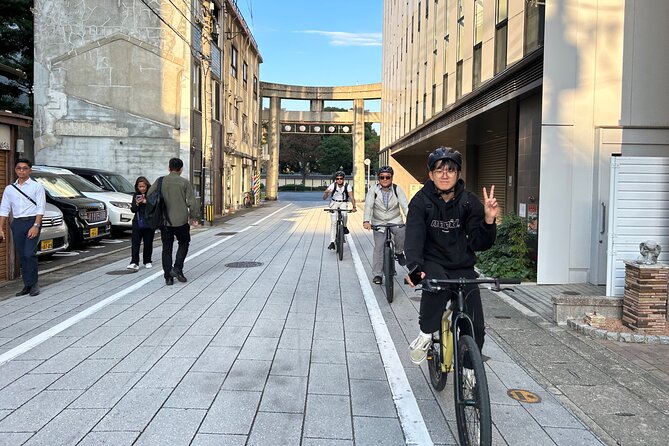
The tour meets at Kushida Shrine Station (Gionmachi area, Hakata Ward), and you bike back to the same meeting point at the end. It’s close to public transportation, which is a big plus in Fukuoka, where you don’t want to waste your energy getting to your activity.
Start time is around 1:00 pm, with the tour running until about 4:30 pm. That timing matters because you’re riding in daylight and, in season, you may be sharing roads with people doing their afternoon errands and park walks.
Here’s the one thing to protect: your start. One set of feedback mentions people having trouble finding the place, and the guide stayed patient. Still, you’ll enjoy the tour more if you arrive early enough to confirm you’re at the right spot with the right group.
Also plan around language. The guide support is listed as Japanese and English, so if you prefer very detailed English explanations, it helps to keep questions simple and direct.
Pedaling the Fukuoka Castle Remains and Stone Walls
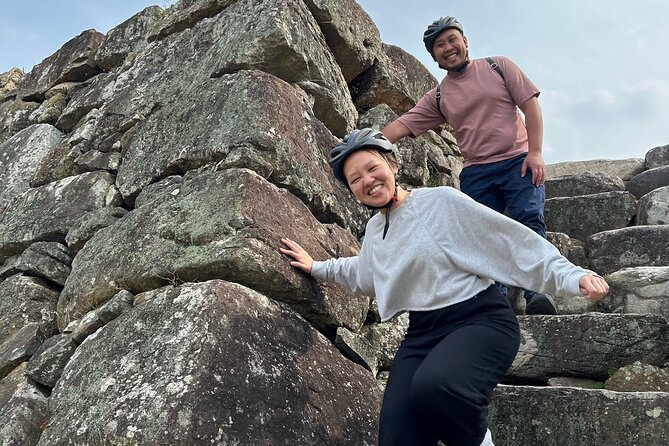
Your first big cultural stop is at Fukuoka Castle remains, starting near the Uenobashi Imperial Gate area and riding toward the castle tower. The standout here is the stone wall stretch—listed as over 3 km in total—which is a huge part of why this stop feels more real than a quick photo at a single viewpoint.
Why it’s worth it on a bike: you don’t just look at the past, you feel how the fortification lines guide the space around it. Stone walls create a kind of slow, steady visual rhythm, and moving along them lets you notice details you’d miss walking straight through.
This stop is quick—about 10 minutes—and it’s free for admission. The quick timing is good if you’re trying to fit multiple places in one afternoon, but it also means you should be ready to absorb information fast. If you like to read every sign slowly, you may want to ask the guide for the main takeaway and then come back for your own pace afterward.
Ohori Park’s Outer Moat: A Brake for Your Legs and Your Camera
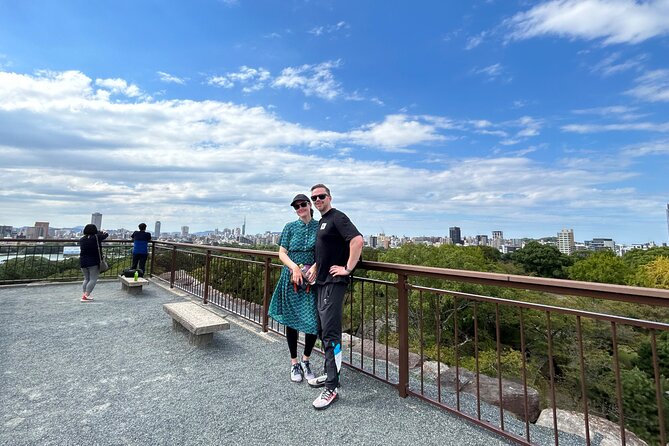
Next comes Ohori Park, riding in the outer moat area around the castle. This is one of those stops that changes the whole mood of a tour. Fortifications and temples are concentrated and intense; a big park moat loop lets you reset your body and take in the open views.
You’ll spend about 15 minutes here, and admission is free. It’s also a natural place for the guide to re-group the bike line, check everyone’s comfort, and give you that short breather you need before the temple portion.
From the way people talk about this tour, the park break includes more than just standing around. There’s time for a cafe-style sweet treat stop in the park area, which is a nice touch when you’ve been pedaling for a bit and want something small and comforting.
In practical terms, Ohori Park is also where you’ll feel the difference between city riding and smoother park paths. You can use this moment to double-check your bike comfort, stretch your legs, and get ready for the more interesting cultural stops ahead.
Shofuku-ji Temple: Zen, Tea, and a Quiet Pause
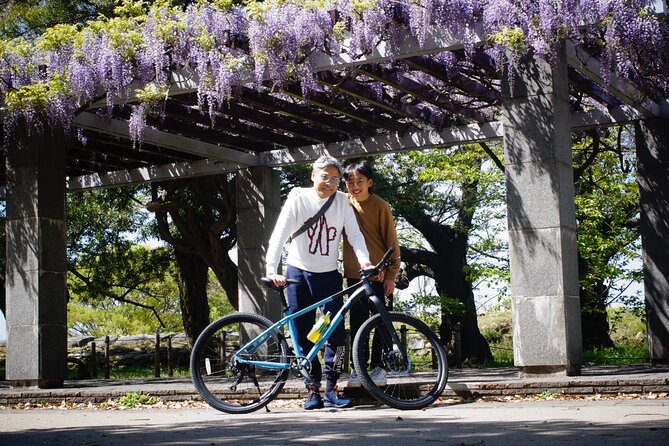
Then you shift gears to Shofuku-ji, described as the first Zen temple in Japan and also tied to the birthplace of Japanese tea. That combination matters because it’s not just a single cultural fact—it links religious practice and everyday Japanese taste in a way that’s easy to remember.
You’ll have about 15 minutes here, with admission listed as free. This is a short window, so the goal isn’t to become a Zen scholar. It’s to see why this place is repeatedly connected to the story of tea culture, then move on with that new context sitting in your brain.
Keep your pace respectful. Temples are working sacred spaces, and your best move is to stay aware of quiet behavior and where you’re walking. If you want good photos, wait for the right moment—temple courtyards often fill and empty quickly.
This stop also gives you a break from cycling. After several minutes of street or route riding, it’s good to have a place where you slow down. Your guide should keep the group moving smoothly, but you’ll still feel the rhythm of a calm stop that matches the subject.
Kushida Shrine for Safety: Hakata’s Religious Identity in Action
The final cultural stop is Kushida Shrine, with time set aside for prayer and reflection—about 5 minutes. The shrine is described as having gathered religions as Hakata’s deity, which makes it more than just a pretty place to look at.
This is where the tour feels local in a different way. Temples are often more universal in how visitors approach them; shrines can feel more connected to day-to-day community identity. Even in a short visit, you’ll get the sense that this is part of how Hakata people understand safety, luck, and belonging.
Admission is listed as free here too. The short duration means you’ll want to keep it simple: follow your guide, observe quietly, and take a moment if you’re interested in participating in the prayer process.
If you’re the type who likes to compare religious spaces across Japan, this is a great pairing because it follows Shofuku-ji’s Zen-and-tea theme. One stop points to tradition through practice; the next points to tradition through community belief.
The 17 km Experience: Pace, City Riding, and Breaks
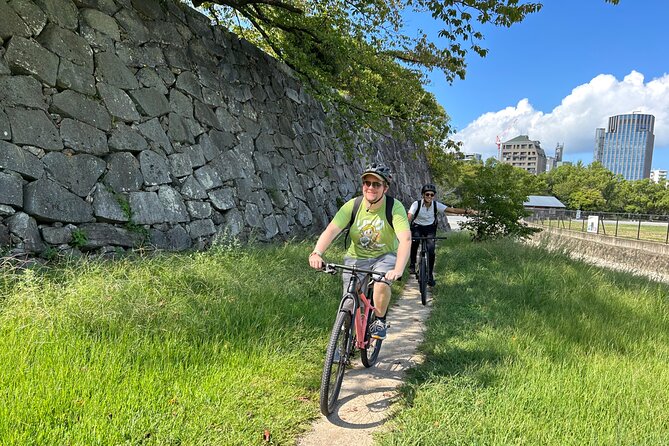
The tour time is about 3 hours 30 minutes, and the ride itself is roughly 17 km based on the distance people mention in feedback. That’s a practical length: long enough to feel like you covered real ground in Fukuoka, but not so long that you’re stuck thinking about aching calves the whole time.
The riding style is also built around comfort. One set of feedback talks about a guide adjusting pace for seniors and keeping breaks in between, which tells me the group dynamic matters here. With a group capped at 10 travelers, the guide can manage speed without turning it into a stop-and-hustle scramble.
That said, you’re still cycling in a city. Reviews include mentions of windy streets and narrow lanes, and that’s exactly the part you should prepare for. Keep both hands relaxed on the handlebars, ride predictably, and don’t try to “thread the needle” past pedestrians. A good guide will handle route choices and safety, but your comfort starts with your own calm riding.
Good news: the tour includes drinks and snacks. That’s not just a nice perk. It helps you stay steady in the afternoon heat or humidity and prevents the classic bike-tour problem of energy crashing right when you reach the temple segment.
Price and What You Get: Is $72.26 Worth It?
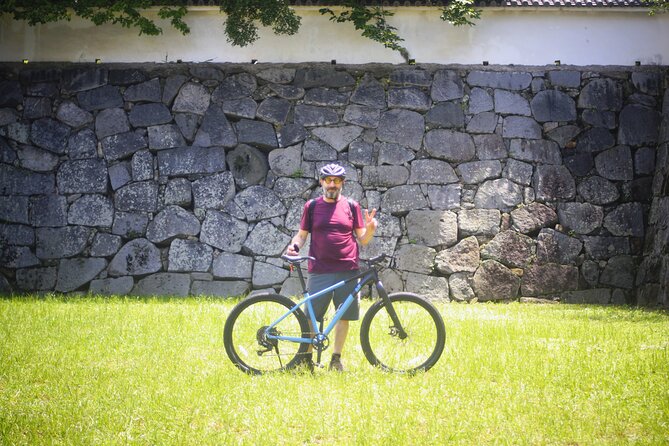
At $72.26 per person, this is one of those deals where the value comes from what’s bundled, not just the total number. Your price includes bicycle rental, insurance, plus drinks and snacks. You’re also getting a guide to handle the flow between areas that would be more time-consuming to connect on your own.
If you’ve ever tried to plan a bike day in a new city, you know the real work isn’t only riding. It’s finding the right bike, getting insurance sorted, figuring out safe routes, and fitting in short cultural stops without losing your afternoon. This tour does those hard parts for you, and you can focus on enjoying the ride.
The admission fees listed for the stops are free, which also helps. You’re paying for the bike-and-guide experience, not a pile of entry costs.
My take: it’s good value if you want a guided, efficient orientation to Fukuoka and you’re comfortable riding. If you’re hoping for a purely leisurely sightseeing stroll, you may find the bike pace a bit more “managed” than you want.
Who This Tour Fits Best (and Who Should Skip)
This ride makes sense if you want a quick, connected understanding of Fukuoka’s two main identities—Hakata and the castle town—without needing a full day of planning. It’s also a nice option if you like the idea of experiencing city air, seasonal scents, and river-adjacent paths instead of staying stuck on sidewalks.
It’s especially suitable for:
- First-time visitors who want to get bearings fast
- People who prefer active travel (cycling) over long walking blocks
- Anyone who appreciates short, structured cultural stops
You might skip this tour if:
- You’re not comfortable biking in city traffic and narrow lanes
- You want long, slow time in each place rather than quick stops
- Weather is questionable and you hate the idea of a day shifting plans
The weather note is important: this experience requires good weather, and the provider offers a different date or a full refund if it’s canceled due to poor weather.
Should You Book the Bike is Life Hakata Ride?
Yes, if your priority is an efficient afternoon that mixes Hakata-to-castle-town context with real sensory city riding. This is the kind of tour that can be a first-day win: you learn the city’s structure, you see major anchors like Ohori Park and Shofuku-ji, and you come away with a clearer sense of where things connect.
Book it with confidence if you’re looking for a guided bike day with included bike + insurance + snacks, and you’re okay with a small group format that keeps moving.
Skip it only if you’re uncomfortable riding, or if you want a flexible, unstructured day. On this tour, the structure is the point—short stops, safe navigation, and a focused route through Fukuoka’s standout cultural areas.
FAQ
How long is the Bike Tour in Fukuoka City?
The tour lasts about 3 hours 30 minutes.
Where do we meet, and do we return to the start?
You meet at Kushida Shrine Station in Hakata Ward, and the activity ends back at the same meeting point.
What time does the tour start?
It starts in the afternoon, around 1:00 pm (listed as 13:00).
What is included in the price?
The price includes bicycle rental, insurance, and drinks and snacks.
What languages are the tours offered in?
The tour language support is listed as Japanese and English.
How large is the group?
The tour has a maximum of 10 travelers.
Are there age or height requirements?
Yes. The requirements list says 16 years old or older and over 145 cm tall. There is also a check question asking whether you are over 140 cm tall, so confirm your height at booking.
Are there admission fees for the stops?
The stop information provided lists admission tickets as free for the castle remains area, Ohori Park, Shofuku-ji, and Kushida Shrine.
What if the weather is bad?
This experience requires good weather. If it’s canceled due to poor weather, you’ll be offered a different date or a full refund.
What is the cancellation window?
You can cancel for a full refund up to 24 hours before the experience start time.