REVIEW · AKITA PREFECTURE
3 Hour Cycling Tour in Kakunodate
Book on Viator →Operated by Akita INAKA Travel · Bookable on Viator
Train ride meets bike time in Akita. This 3-hour Kakunodate experience pairs a Nairiku Line one-car ride with a bike route through old samurai lanes and countryside quiet, the kind you usually only spot from a train window. I like how you get Kakunodate’s preserved Edo-era streets without cramming a full day of walking—and the pacing still leaves time for stops. One watch-out: the route is cycling, so you’ll want a moderate fitness level and good weather.
What makes it feel smooth is the small-group setup. It’s a private tour/activity for just your group, and you’ll use a mobile ticket with pickup offered. The price also covers real ride essentials: bicycle use, snacks, the train ticket for the Nairiku Line, plus an insurance fee.
The day is built for countryside watching, not speed. You’ll start at Kakunodate Station, hop off at an unmanned station, and pedal through temples, shrines, and farm-area scenery at a calm pace. If you’re chasing very specific spring blossoms, timing matters—Kakunodate can be peak-perfection in some weeks and a bit early or late in others—so go for the town feel and scenery first.
In This Review
- Key things to know before you pedal
- First, you ride the Nairiku Line in a one-car mood
- Enter Kakunodate: samurai-town streets in a walk-friendly pocket
- Katakurikan and the chestnut that traveled from Kyoto
- Senboku rural cycling: rivers, temples, castle ruins, rice paddies
- How the price works (and what you’re really paying for)
- Pacing, stops, and staying comfortable for a 3-hour day
- Who should book this Kakunodate cycling tour?
- Should you book this 3-hour cycling tour in Kakunodate?
- FAQ
- How long is the 3-hour cycling tour?
- Where does the tour start and end?
- What’s included in the price?
- Is transportation to the starting point included?
- Is this tour private?
- What fitness level and weather conditions are required?
Key things to know before you pedal
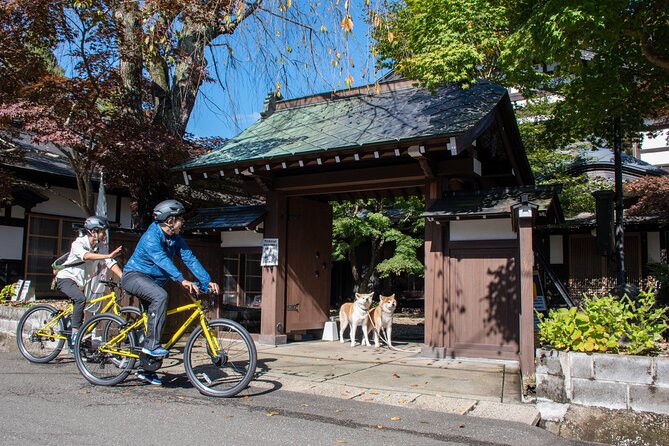
- Nairiku Line one-car train + unmanned station start: you begin cycling right after stepping off.
- Kakunodate’s compact samurai-town core: old buildings sit close enough to enjoy without rushing.
- Katakurikan chestnut story: learn about chestnuts tied to Kyoto and Gifu.
- Senboku rural route: temples, rivers, castle ruins, and rice paddies show up on the ride.
- Snacks + bicycle + insurance included: you’re not piecing together basics yourself.
- Private tour for your group: your pace and questions get real attention.
First, you ride the Nairiku Line in a one-car mood
The tour starts by putting you on the Nairiku Line for a train ride with a one-car, one-man feel. That matters more than it sounds. Small rural train lines in Japan aren’t just transport; they’re part of the scenery and mood—winding through places that don’t look staged for tourists.
Then comes the clever part: once you get off at an unmanned station, you transition straight into cycling. That keeps the day from feeling like separate experiences stapled together. You’re already in the countryside mindset, and you’re not stuck coordinating buses or waiting around.
The ride also keeps things efficient. You’re not fighting city traffic, and the total time stays close to 3 hours. The fact that the tour ends back at the meeting point is another quiet win—you don’t have to solve the last-mile problem after you’ve worked up a little appetite.
Enter Kakunodate: samurai-town streets in a walk-friendly pocket
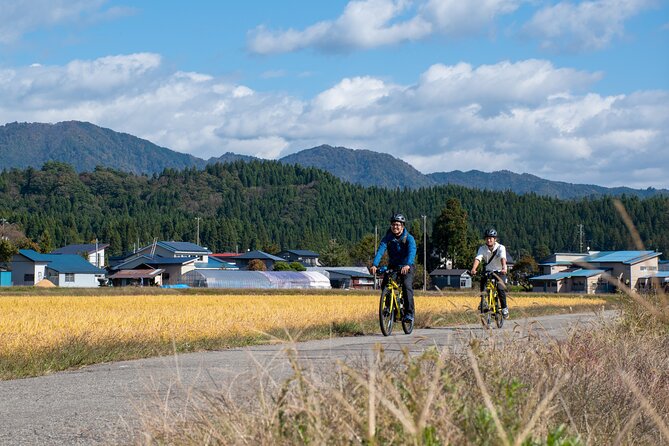
Kakunodate is the centerpiece, and it earns the nickname Michinoku’s Little Kyoto. The key detail for your planning is the scale: it’s a compact area with a radius of about 2 km where samurai residences and other old buildings remain.
That compactness is what makes this work so well on a bike tour. You can enjoy the vibe without burning your legs just to move between points. Instead of sprinting from one landmark to another, you can pause where the streets feel right—especially around the older neighborhood layout.
During this portion, you’re in the Edo-period story zone of castle-town Akita. Even if you’re not a dedicated history person, you’ll feel it in the physical town form: preserved structures, calmer streets, and the sense that the town has its own rhythm. The tour also uses this time for cultural stops—temples and shrines show up in the overall cycling flow—so you’re not only looking at buildings from a distance.
Possible drawback: if you’re very picky about seeing a specific seasonal bloom, the timing can be tricky. Kakunodate is known for spring interest, but the tour’s rhythm is built around the ride and scenery, not a guaranteed blossom window.
Katakurikan and the chestnut that traveled from Kyoto
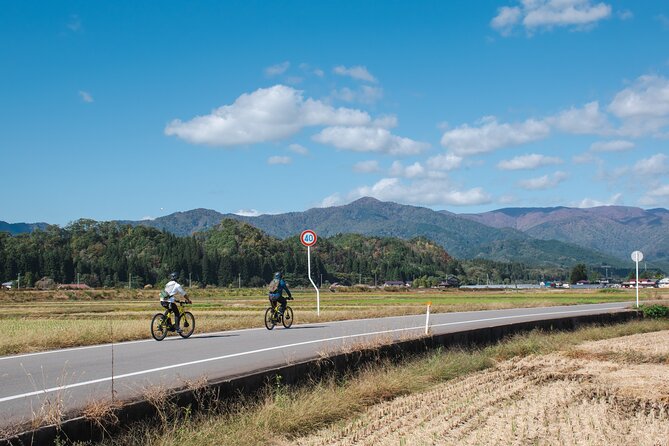
After Kakunodate’s old-town feel, the tour shifts tone to something practical and local: chestnuts. The Katakurikan area produces the largest chestnut in Japan, and the backstory is the kind that turns a roadside stop into a real lesson.
You’ll learn that more than 300 years ago, seeds were brought to Akita for cultivation from Kyoto and Gifu. Over generations, those improved seeds became what’s known as Saimyoji chestnuts. That’s a neat detail because it connects Japanese food culture to travel routes and long-term farming decisions—not just today’s branding.
This stop is shorter—about 30 minutes—so it’s not the whole focus of the ride. Think of it as a palate-clearing intermission: you go from samurai-town atmosphere to countryside food heritage. If you like learning why a place is famous, this is the kind of stop that gives your walk-around time a reason.
One consideration: if chestnuts aren’t a topic you care about, you may find this portion less visually dramatic than the old streets of Kakunodate. Still, it’s a useful cultural angle and a good reminder that rural Japan’s “major attractions” often live in agriculture and local specialties.
Senboku rural cycling: rivers, temples, castle ruins, rice paddies
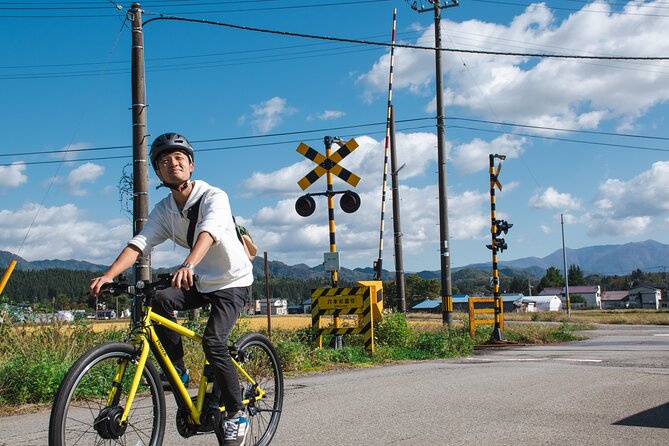
The final stretch leans hardest into what you came for: rural scenery on a bike. This segment is in Senboku City, and it doesn’t depend on a single named landmark. Instead, it’s about the ride itself through the original landscape of the area.
You’ll see the mix that makes Akita feel distinctly rural: temples, rivers, castle ruins, and rice paddies. The route choice matters here because you’re cycling between these elements at an easy pace, which makes the scenery feel closer. You’re not just driving past it at speed.
The castle-ruins mention is especially worth noting. Even if you don’t know every era detail, ruins have a way of making the environment feel layered—like you’re moving through a landscape shaped by centuries of settlement and defense, not just fields and roads.
In terms of time, this portion is about 1 hour 30 minutes, which is long enough to feel like a real countryside ride but short enough that the whole day still stays relaxing.
Possible drawback: this part is where cycling effort matters most. If weather is warm or windy, you’ll want to lean into the breaks and snacks rather than treating every pedal stroke like a workout.
How the price works (and what you’re really paying for)
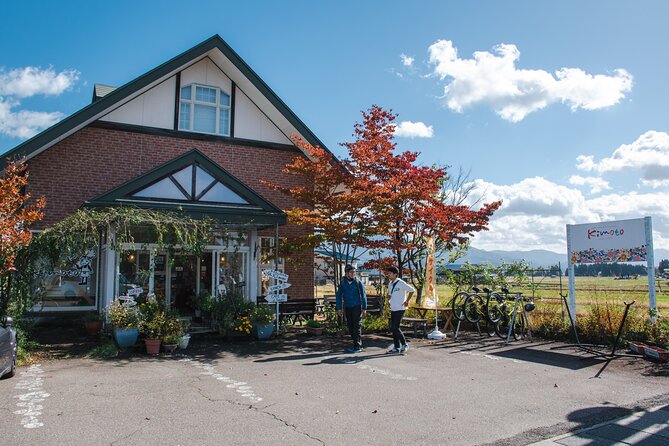
At $126.82 per person for about 3 hours, the value comes from the fact that you’re not just paying for a guide. You’re also getting key transportation and activity costs included.
Here’s what’s covered:
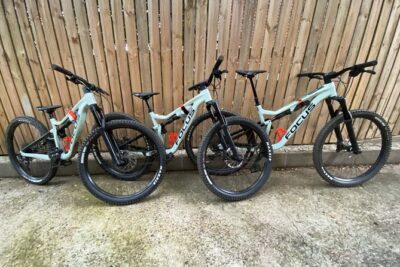
- Bicycle use
- Snacks
- Train ticket for the Nairiku Line
- Insurance fee
That’s a big deal in rural Japan, where the transport piece can add friction. You also have pickup offered, and you use a mobile ticket. Add in the fact it’s private, and you’re essentially paying for a guided, organized route that stitches together train + countryside cycling without you handling the logistics.
What’s not included is also clear: transportation to Kakunodate Station. So your real cost isn’t the tour price—it’s getting yourself to the start point.
If you’re comparing options, I’d treat this as a package that buys you convenience and time. If you enjoy cycling, you’re getting built-in scenery stops. If you’re mostly interested in town sightseeing, you’ll still get the Kakunodate atmosphere, but you should be comfortable enough to move on a bike.
Pacing, stops, and staying comfortable for a 3-hour day
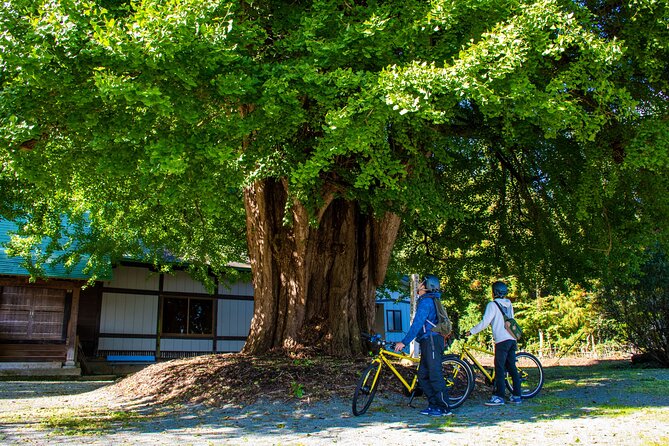
This experience runs close to 3 hours, with time divided across the day:
- Kakunodate: about 1 hour
- Katakurikan: about 30 minutes
- Senboku countryside ride: about 1 hour 30 minutes
That structure matters because it keeps your energy balanced. You get the dense old-town experience first, then switch to a shorter themed stop, then finish with a longer stretch of countryside riding. It’s a smart order for people who don’t want the day to feel uneven.
Because your fitness level should be moderate, don’t plan to arrive and instantly race. You’re better off thinking of this as sightseeing-by-bike. You’ll also want to build in a mindset for weather. The experience requires good weather, and if conditions are poor the tour is canceled for safety reasons and you’ll be offered another date or a full refund.
Practical tip: pack for variable rural weather. Even when cities feel mild, countryside can change quickly.
Who should book this Kakunodate cycling tour?
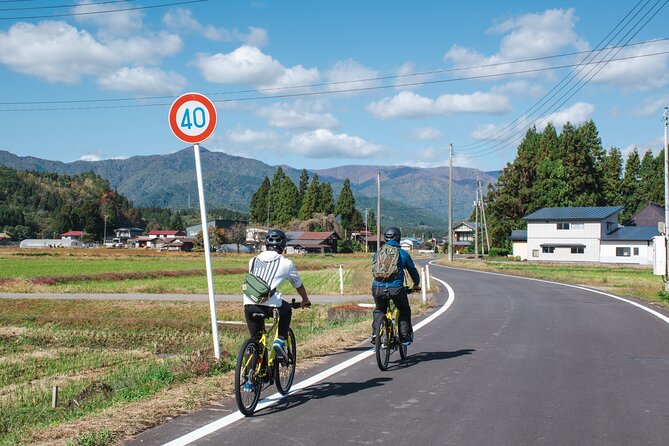
I think this is a great fit if you want:
- A short Japan day that still feels rural and real, not just a drive-by
- An easy way to see Kakunodate’s Edo-era area without doing all the walking
- A route that combines town + food culture + countryside in one flow
- A private experience where your group can move at a comfortable pace
You might hesitate if you’re not comfortable cycling for the longer rural section or if you want strictly landmark-based sightseeing with long indoor time. This tour is about the outdoors rhythm—temples, rivers, fields, and the way the scenery changes as you pedal.
Should you book this 3-hour cycling tour in Kakunodate?
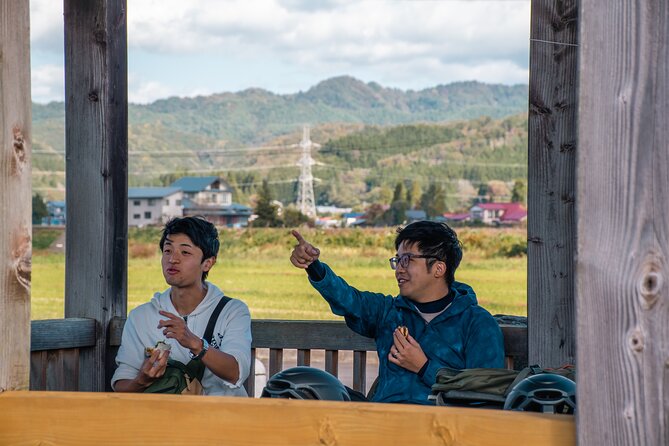
Yes, if you’re the type of traveler who likes small towns and countryside scenery and you can handle moderate cycling. The mix of a rural Nairiku Line ride, Kakunodate’s compact samurai-town feel, and a countryside pedal through Senboku is exactly the kind of combo that makes a short trip memorable.
Book it with confidence if you value convenience: snacks, bicycle use, the train ticket, and insurance are all handled. Just plan to make it to Kakunodate Station on your own, and check the weather close to departure.
If you want a day that feels like Japan beyond the postcard, this is a strong choice.
FAQ
How long is the 3-hour cycling tour?
The experience is about 3 hours.
Where does the tour start and end?
It starts at Kakunodate Station in Kakunodate, Akita Prefecture, and it ends back at the meeting point.
What’s included in the price?
The price includes snacks, use of bicycle, a train ticket for the Nairiku Line, and an insurance fee.
Is transportation to the starting point included?
No. Transportation to Kakunodate Station is not included.
Is this tour private?
Yes. It’s a private tour/activity, so only your group participates.
What fitness level and weather conditions are required?
You should have a moderate physical fitness level, and the tour requires good weather. If it’s canceled due to poor weather, you’ll be offered a different date or a full refund.